
How to Plan a Commercial Property Cleanout
Cleaning out a commercial property might sound simple in theory, but in reality, it’s a multi-layered project that requires foresight, coordination, and structure. A proper plan not only prevents chaos but ensures your space is returned to a clean, functional state without unnecessary downtime. Whether it’s an office building, a warehouse, or a retail unit, the secret to success lies in planning ahead—because a rushed approach can easily spiral into confusion, missed deadlines, and unexpected costs. The goal is to restore balance, organization, and usability while maintaining the professional image your business depends on.
A commercial cleanout is more than just tossing unwanted furniture or hauling away debris. It’s a chance to refresh, repurpose, and prepare for the next phase of your business operations. You’re not simply clearing junk; you’re setting the stage for something new. By following a structured plan—built on assessment, scheduling, communication, and expert help—you can make this process smooth and cost-effective.
Understanding the Scope of Your Cleanout
Every successful cleanout begins with clarity. Take time to walk through your property and assess exactly what needs attention. This step is more than just visualizing piles of old furniture—it’s about defining the boundaries of your project. Are you clearing an entire floor, or just one section? Are there materials that need special handling such as e-waste or construction debris?
Pay attention to the layout of your building, too. Commercial spaces often include zones that differ in complexity—offices, storage areas, kitchens, and sometimes outdoor loading zones. Each requires different handling methods. A warehouse might need heavy equipment, while a corporate office requires delicate care when removing electronics or confidential materials. Understanding these details early ensures that the cleanout moves with precision and efficiency.
Setting Clear Goals and Timelines
Once you know what needs to be done, define your goals. A goal might be as simple as “clear out everything for new tenants” or as specific as “remove old fixtures and prep for renovation.” Goals give direction, and direction turns chaos into a sequence of manageable tasks. Think of this phase as writing your project roadmap—without it, you’ll waste time retracing steps or duplicating effort. Your goals will help determine which materials can be recycled, which need special disposal, and which can be reused or donated.
After setting objectives, build your timeline. Commercial cleanouts often intersect with business operations, so timing is crucial. Decide when it’s least disruptive to work—weekends, evenings, or during off-peak hours. Factor in the time for loading, transport, and final cleaning. A clear schedule not only helps the removal team but also gives everyone involved a sense of order and expectation. It’s a safeguard against last-minute chaos.
Creating a Strategic Plan of Action
A successful cleanout isn’t spontaneous—it’s strategic. Start by identifying what comes first, what follows, and what must be completed before the next step begins. Divide your space into logical zones and plan how each will be addressed. Perhaps you’ll begin with storage areas to make room for movement, then tackle offices or storefronts, and end with common spaces. Creating this flow eliminates confusion and ensures that the project doesn’t stall halfway through.
Next, consider how you’ll handle sorting. Some items can be reused or donated, while others must go directly to disposal. If your business practices sustainability, this is where you can make an impact by recycling or repurposing what you can. Sorting also helps reduce disposal costs since not everything needs to go to the landfill. The better your plan, the smoother the cleanout, and the quicker your property transitions to its next purpose.
Managing Staff and Communication
Communication is the invisible engine that powers a cleanout. When multiple people are involved—employees, tenants, maintenance staff, or contractors—clear direction prevents confusion. Let everyone know the timeline, who is responsible for what, and how access will be managed. A small briefing or internal memo can make a significant difference. People need to know which areas are off-limits, when noise or movement may increase, and how long the process will last.
Designate a point of contact for the cleanout crew to avoid mixed messages. This person ensures all instructions are clear, and issues are resolved quickly. Good communication fosters accountability and keeps the process professional. It also demonstrates to tenants or clients that your organization values order and safety. A coordinated team effort means fewer setbacks, smoother operations, and a better end result.
Choosing the Right Junk Removal Partner
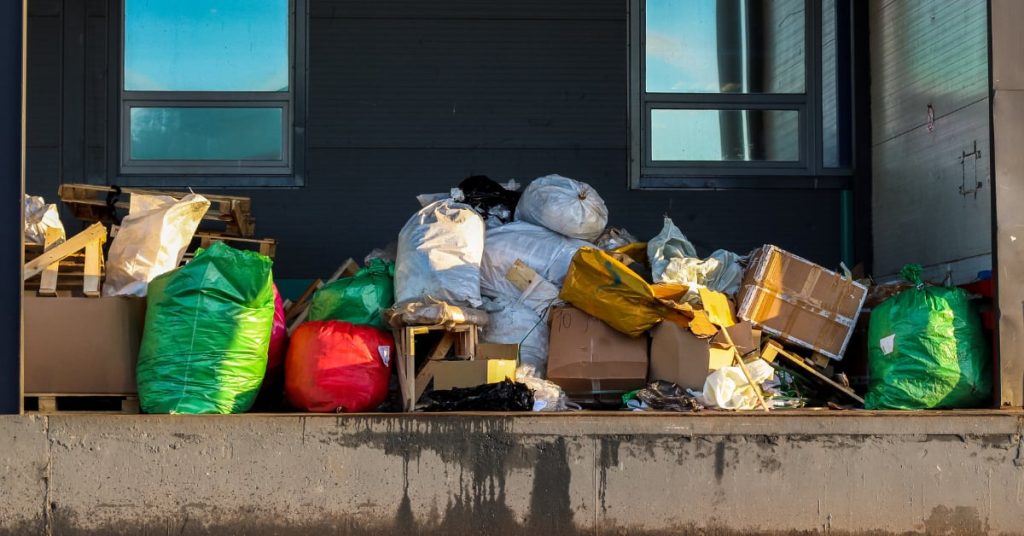
Partnering with the right junk removal company can make or break your cleanout project. Look for professionals who specialize in commercial spaces and understand the complexity of large-scale cleanouts. They should handle everything—from loading and hauling to disposal—with efficiency and care. Experienced teams are familiar with different property types, which allows them to adapt quickly to on-site challenges. A reliable provider ensures that deadlines are met and that all materials are disposed of responsibly.
When comparing companies, pay attention to transparency and service quality. Ask about their disposal methods, recycling policies, and insurance coverage. The best teams not only remove clutter but also respect your property and workflow. They handle heavy lifting safely, minimize disruption, and leave the area clean and presentable. A dependable service becomes your silent partner in progress—turning what could be a stressful event into a structured, worry-free operation.
Budgeting for Your Cleanout Project
A cleanout is an investment, and like all investments, it requires a detailed budget. Start by estimating costs for labor, disposal, and transportation. Factor in any special handling fees for electronics, hazardous waste, or large equipment. Even packaging materials, like bins or protective covers, contribute to the total. A comprehensive budget eliminates surprises and keeps your project aligned with financial expectations.
Include a contingency fund for unexpected discoveries—because commercial cleanouts often reveal hidden clutter or forgotten equipment. You might uncover an entire storage room filled with outdated stock or old promotional displays. By setting aside a small buffer, you protect your plan from disruption. A well-managed budget doesn’t just keep spending in check—it reflects control, foresight, and professionalism throughout the process.
Preparing Your Space for the Cleanup Crew
Preparation before the team arrives is key. Remove any personal belongings, confidential files, or valuable items to prevent confusion. Mark what stays and what goes clearly, so there’s no mix-up during removal. Accessibility is equally important—ensure hallways, elevators, and exits are free from obstacles. The cleaner and more organized your starting point, the faster and safer the process will unfold.
If your property includes sensitive areas like server rooms, laboratories, or retail display zones, communicate their boundaries early. This helps the crew navigate without disrupting vital systems or damaging delicate materials. Preparing also includes verifying building access times, parking availability, and load-in zones. These details may seem small, but together they create the foundation for an efficient, well-timed operation.
Execution Day and On-Site Coordination
When cleanup day arrives, it’s all about execution. The removal team should arrive on time, ready with proper equipment and a clear understanding of your plan. Walk them through the property, reaffirming zones and specific requirements. During the process, monitor progress without micromanaging. A good crew thrives on rhythm—once they’re in motion, your role becomes one of guidance and oversight.
Unexpected situations can arise. Maybe there’s a larger volume of waste than predicted, or perhaps a structural fixture requires special tools. Stay flexible and communicate openly with the crew leader. Real-time adjustments keep momentum strong. The key is collaboration—your preparedness and their expertise working in tandem. When both sides operate cohesively, even the most complex cleanouts transform into seamless operations.
Post-Cleanout Detailing and Final Checks
Once the heavy lifting is done, shift focus to details. Walk through the cleared space and inspect the work. Look for any lingering debris, stains, or areas that need an extra sweep. A professional team usually performs a finishing touch—vacuuming, sweeping, or removing fine dust from surfaces. These details transform a bare, cleared room into a space that looks polished and move-in ready.
Use this time to verify that everything has been disposed of correctly and safely. Request documentation if necessary, especially if your business requires proof of recycling or proper waste management. This not only keeps your records clean but reinforces accountability. When every corner gleams and every item is accounted for, you’ll know the cleanout has achieved its purpose—a professional reset for your commercial property.
Documenting and Learning from the Process
The conclusion of a cleanout marks not just the end but a valuable opportunity to learn. Take a moment to document the process—costs, time taken, challenges, and successes. This record becomes a practical reference for future projects. Maybe certain stages took longer than expected, or perhaps the crew finished ahead of schedule. Every insight helps fine-tune your approach for next time.
Photographs of before and after can also be valuable for insurance, property records, or promotional use if you’re preparing the building for lease or sale. Reflecting on what worked well can transform this once-daunting project into a repeatable system. The next time a renovation, relocation, or new tenancy arises, you’ll be equipped with firsthand experience and confidence to handle it efficiently.
Conclusion
A well-planned commercial property cleanout is more than just a service—it’s a process of renewal. From the first assessment to the final polish, each step builds momentum toward restoring order and purpose. It’s about creating an environment where new ideas, tenants, or opportunities can flourish without the burden of clutter. The planning, communication, and professionalism invested in the process ensure lasting value.
If you’re preparing for a commercial cleanout in Ventura, CA, and want reliable help from a local expert, contact Mobile Dump Junk Removal. Their team delivers efficient, responsible, and professional cleanout services designed to handle any size property with care. Call (805) 751-3744 or email mobiledumpremoval@gmail.com to schedule your service and restore your space with confidence.