
When an aging shed lingers in your yard, it often feels like wasted potential. By opting for shed removal, you unlock dormant space that can rebalance the entire landscape. Gone is the cluttered feeling, replaced by expansiveness. What once felt cramped now opens up possibilities for inviting green patches, fresh garden beds, lounge areas, or play zones. Without a hulking structure hogging square footage, pathways become smoother, the lines of sight widen, and the garden feels calmer and more purposeful.
Once that old shed is gone, the yard feels cleaner and more intentional. It’s as if breathing room has been reclaimed. The ground it once stood on becomes a blank slate: imagine vibrant turf, fragrant flowers, or space for gathering with friends. That territory, once under siege by weathered boards or sagging roofing, can serve new needs—barbecue evenings, hammock lounging, or simply open grass for kids to run. With the shed gone, the yard doesn’t just look bigger; it feels more usable, more welcoming, more yours.
Enhancing Safety, Access, and Visual Appeal
Having a deteriorating shed can pose safety concerns. Rotting wood, sharp nails, or unstable walls may invite accidents, especially around children or pets. Removing it not only eliminates hazards but also reopens sightlines, increasing visibility across the yard and improving access to garden beds or hidden corners. No more shimmying around a structure to tend to plants or move tools; you have uninterrupted flow from one zone to another.
Visually, a warped shed can dominate the landscape in a negative way. Stains, peeling paint, mildew—all backed by structural decline—create an eyesore. Removal allows for a clean canvas. Fences and foliage take the spotlight instead. A tidy, clutter-free yard enhances curb appeal. It even improves the effectiveness of features like outdoor lighting or landscape design—a shed that once blocked sunlight or cast weird shadows is no longer there to disturb the visual harmony. The yard becomes easier to maintain and pleasant to behold.
Transforming Yard Utility: Beyond Storage
Sheds serve storage purposes, but often they become black holes for unwanted items. After removing a shed, many homeowners find the urge to reorganize: tools get sorted, unwanted junk gets donated, and space is reevaluated. Freed-up land calls for more intentional structure. Perhaps a patio could replace the storage footprint or a garden table becomes the new focal point. Even a vegetable patch or pollinator garden can thrive where old lumber once lay.
The utility of the yard evolves. Instead of storage, the area might support social life—a fire pit, a seating circle, maybe even an outdoor kitchen. Or it becomes a serene reading nook under a new pergola. When the shed disappears, your thinking about the yard changes: you see it as an extension of living space, not just a holding zone. That shift in mindset promotes multipurpose use of the outdoor area, blending leisure, beauty, and function organically.
Boosting Property Value and Appeal
A neglected or unsightly shed can deter prospective buyers or visitors. Removing it sends a signal that the property is well‑maintained, spacious, and ready for personalization. For those preparing to sell, reclaiming that square footage broadens appeal. Potential buyers seldom see wasted space as an asset—they want clean lines, easy upkeep, and versatility. Whether they envision adding a pool, planting gardens, or simply enjoying open lawn, the absence of a decrepit shed fosters imagination.
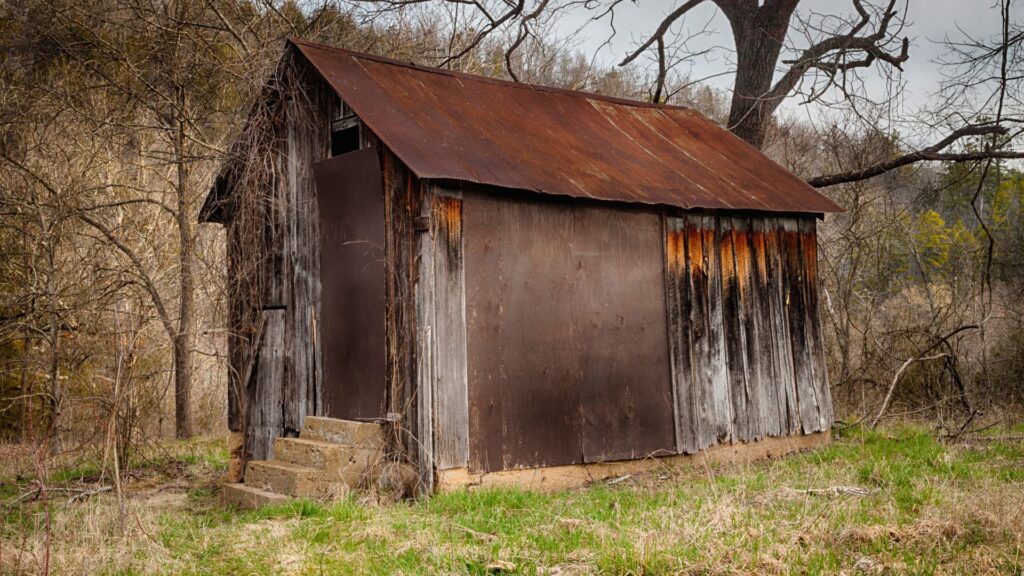
Even beyond resale, your day‑to‑day appreciation of the yard improves. Open areas are more pleasant to use and maintain. Tasks like mowing, planting, or entertaining become simpler. A well‑kept, generous lawn boosts pride in ownership. Subtle improvements like removing that old structure yield outsized returns—not only financially but emotionally. Every step of yard improvement becomes easier when you’re freed from the constraints of outdated constructions.
Planning the Removal: What to Consider
Laying out a plan ensures that shed removal unfolds smoothly and safely. Start by assessing what needs to go: metal roofing, wood panels, concrete blocks, or hardware. Decide whether salvageable materials can be repurposed—wood scraps, nails, or tools might find new life elsewhere. Considering recycling and donation options reduces landfill waste and supports eco‑responsible cleanup efforts.
Make sure to check local regulations. In some areas, dismantling structures requires permits or inspections. You may need to contact local authorities in order to secure a permit or verify disposal sites if debris is classified. Organizing disposal ahead of time—whether via a rental dumpster, professional removal service, or regional waste facility—makes the process efficient and avoids last‑minute headaches. Providing space for trucks or roll‑offs and ensuring safe access paths will help avoid property damage and delays.
Choosing a Removal Method: DIY vs Professional
If you’re confident in your handyman skills, tackling shed removal yourself can save upfront cost—but it often involves labor, tools, and safety precautions. Removing roofing carefully, disassembling walls, hauling debris—it quickly becomes a full‑day or multi‑day project. And dealing with weighty panels and nails requires protective gear and physical effort.
Hiring professionals simplifies everything. A reputable junk removal company handles labor from start to finish: they bring tools, vehicles, and manpower, handle permits, and dispose of materials properly. They often recycle wood or metal, donate reusable items, and clean up post‑service. You offload the burden and gain peace of mind. Plus the job finishes faster. If time, safety, or sheer convenience matters, professionals offer value beyond price. You point, they lift—and suddenly the yard expands.
What to Do After Removal: Reimagining the Landscape
Once the shed is gone, the possibilities unfold. Many homeowners begin by leveling and preparing the soil where the structure stood. Filling holes, adding topsoil, and reseeding grass or planting hardy groundcovers restores visual continuity. Some choose decorative hardscape: gravel pad, stepping stones, or accent lighting to mark the transition.
Others install new features: perhaps a raised bed garden, a pergola lounge, or cozy arbor with climbing vines. Furniture arrangements come into play—chairs, tables, hammocks, yoga mats—creating welcoming zones. Even small features like a birdbath or sculpture benefit from clear space. Without a bulky shed dominating, these elements shine, and each garden corner becomes part of a cohesive whole. Thoughtful layout transforms mere vacancy into complementary landscaping.
Long-Term Benefits: Less Maintenance, More Enjoyment
Without a deteriorating structure, the yard demands less upkeep. There’s no need to paint weathered siding, repair rusting hardware, or fix sagging foundations. Rainwater no longer pools against shed walls or causes rot. Tasks like mowing and weeding become simpler with unobstructed pathways. The risk of pests like rodents or insects nesting in unused wood disappears. You gain time and energy—and fewer maintenance headaches.
Most importantly, your yard now becomes an open invitation. It encourages relaxation, outdoor gatherings, creative projects, or seasonal decoration. With minimal barriers, you notice sunlight patterns across grass, plan shade zones, plantings, and living spaces. The emotional lift from an airy, uncluttered garden enhances quality of life. Shed removal is more than demolition—it’s liberation.
Environmental and Community Impact of Proper Disposal
Choosing eco‑aware removal reflects well on your stewardship. Many professional services prioritize recycling and donation when possible. Wood panels, metal sheets, and hardware may be repurposed. Green waste, like broken framing, can be composted or chipped. Appliances or tools discovered inside may still hold value. Diverting materials from landfill helps local charities, reduces waste, and promotes sustainability within your community.
In communities like Ventura County, taking care of your property responsibly sets a precedent. Neighborhoods benefit from cleaner yards, less debris, and shared commitment to environmental standards. When material removal is handled correctly, it minimizes noise, dust, and site disturbance. A smooth, thoughtful process gives neighbors peace of mind and preserves local aesthetics. Responsible shed removal becomes a quiet contribution to a cleaner, greener community.
Budget Considerations and Cost Savings
While shed removal may entail costs—labor, disposal fees, possibly permit charges—the benefits outweigh initial expense. DIY removal may seem cheaper, but often underestimates time and effort needed. Renting equipment, hauling debris to transfer stations, and taking time off work all add hidden costs. A professional service provides transparent pricing, flat quotes that include loading, labor, disposal, and often recycling. That clarity prevents surprises.
Moreover, opening up yard space promotes future cost savings and value creation. A clean, manageable yard costs less to maintain over time. Property value increases from improved curb appeal. Eliminated upkeep on a crumbling structure means no future repair bills. The way the remaining space is repurposed—garden beds that produce vegetables, a patio that invites low-cost entertaining—enhances utility and lifestyle while avoiding higher-cost structural projects.
Conclusion
Removing that old shed is more than just clearing space—it’s reclaiming opportunity. You gain room for living, gardening, gathering, and growing in ways that suit your lifestyle. Safety improves without hazardous wood or nails, and maintenance becomes simpler. Your yard transforms from a confined storage zone into an open canvas for creativity and comfort. Property appeal rises, and long-term value is boosted. For those who want convenience, professionalism, and environmentally responsible removal, entrusting the job to a seasoned provider makes the process seamless.
For reliable and efficient shed removal in Ventura County, Mobile Dump Junk Removal offers full‑service assistance. They handle all loading, hauling, recycling, and cleanup with care and speed. Based in Ventura, CA, they’re locally owned and operate throughout the area. Ready to reclaim your yard? Contact Mobile Dump Junk Removal today at (805) 751‑3744 or via email at mobiledumpremoval@gmail.com.