
Embarking on a major commercial renovation is thrilling: new layouts, revamped finishes, and the promise of a fresh space. Yet, once the contractors leave and the dust settles, you’re often left with a towering mound of construction debris, obsolete fixtures, old carpeting, and assorted commercial junk. Managing that aftermath requires more than simply calling a truck and tossing garbage — it calls for a strategy. In this article we’ll explore how to handle commercial junk removal after a large‑scale renovation: how to plan, execute, and ensure the process is efficient, cost‑controlled, and respectful of the environment.
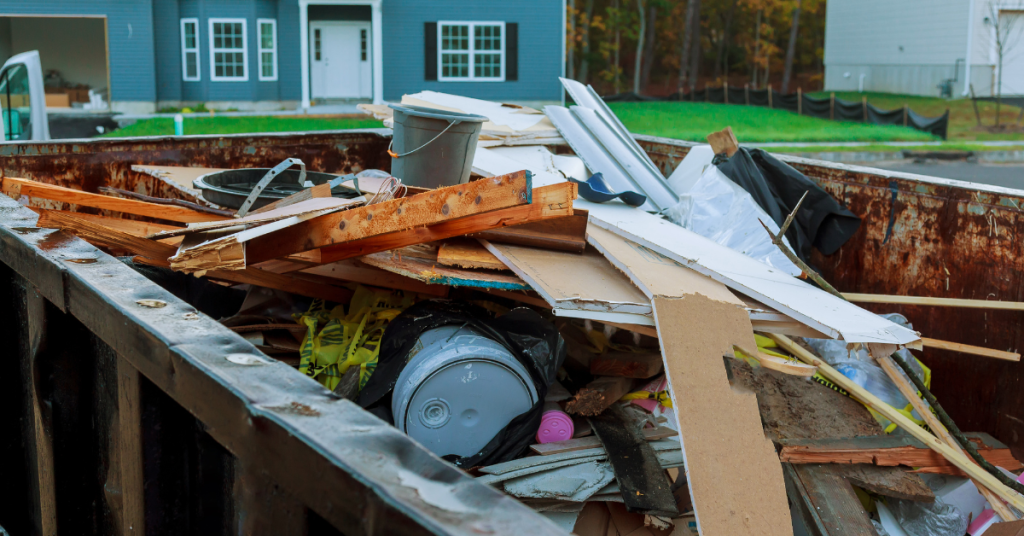
Good junk removal isn’t just about clearing space; it’s about reclaiming it. When your renovation is complete, the goal isn’t only a beautiful new environment but also a clean canvas ready for business. Every leftover beam, discarded tile, broken drywall piece or bulky fixture is an obstacle to seamless reopening. And when left unmanaged, these remnants can rake up costs, create safety liabilities, delay operations and cast a cluttered shadow over your freshly minted space..
Understand the Scope of the Job
Before calling any junk removal service, it’s critical to assess what you’re really dealing with. Commercial renovation debris can vary wildly: from lightweight packaging and drywall dust to heavy carpet tiles, metal framing, large appliances, and commercial‑grade fixtures. The first stage is a thorough walkthrough of your space with your contractor or facilities team to identify all junk types and volumes.
Once you’ve identified what needs to go, categorize it loosely: general debris, heavy‑duty equipment, salvageable materials, and hazardous waste. This categorization helps when you engage a service provider, ask the right questions, and get targeted quotes. For example, a service that simply hauls “general junk” may quote one price, but once they discover heavy‑metal frames or mixed toxic substances, the cost and risk jumps significantly.
Choose the Right Junk Removal Partner
Selecting the right junk removal company is more than just picking the lowest bid. You’ll want a partner who specializes in commercial clean-up after renovations, understands the logistics of heavy loads and business‑hours constraints, and handles disposal responsibly. A professional outfit that offers both removal and dumpster rental services—so you can get a container delivered and picked up in sync with your work schedule—is a smart bet. Additionally, disposal methods matter:
When vetting providers, ask about the following: their experience with commercial‑scale jobs, how quickly they can deliver or clear a container, their pricing transparency (no hidden fees), and their scheduling flexibility especially if your business needs to maintain partial operations during clean‑up.
Planning the Junk Removal Timeline
The timing of junk removal is just as important as the choice of partner. Unlike a simple home clean‑out, a commercial renovation often overlaps with business operations, or at least a tight schedule to reopen. Map your junk removal timeline as part of your overall project schedule. Ideally, a container or multiple should be on site before demolition ends but after major trades finish rough‑in work—this prevents tools, supplies and activated trade teams from interfering with the clean‑out process.
Ensure coordination with your contractor: the dumpster or removal crew should arrive when the main contractor has moved the bulk of materials and when traffic flow onsite is manageable. If you’re working in a retail or office environment, consider after‑hours or weekend removal to reduce disruption.
Container Sizing and Placement Strategy
Choosing the right size container (or containers) and positioning them strategically on site makes removal efficient and safe. Commercial renovation debris often has mixed weights and bulk: heavy tile or concrete, sharp metal edges, large equipment, and bulky packaging. If you underestimate volume or weight, you may need multiple hauls, which drives cost.
Placement matters too. The container should be easily accessible to both the debris flow from the renovation zone and the hauling vehicle on pick‑up day. It must avoid obstructing business entrances, emergency exits or fire lanes. Often, you’ll need to reserve curb space or loading zone permits if you’re in a higher‑traffic area. Set up bundling zones onsite where trade teams deposit their debris; this prevents random piles and simplifies loading.
Sorting, Recycling, and Responsible Disposal
Once the container arrives and debris starts flowing, the question of “where it ends up” becomes paramount. Modern businesses increasingly expect transparency in waste disposal. Your renovation junk likely contains materials suitable for recycling metal studs, cardboard, clean wood), donation salvageable fixtures, appliances), or special handling asbestos, old electrical gear. Insist that your removal partner follows a sorting protocol and provides confirmation of recyclable or donated volumes if possible. Good practice improves sustainability and may even reduce disposal costs.
Sorting onsite can be basic but effective: separate general debris from metals, wood, packaging, and electronics. Remove any lead‑based paint pieces or regulated materials separately. A junk removal team that sweeps the final area and ensures no stray nails, loose wires or leftover dust helps turn a messy site into a ready space.
Cost Management and Budgeting
After a major renovation, budget overruns can sneak in from hidden items—and junk removal is a zone where cost creep often happens if unchecked. Early on, you’ll want a detailed quote covering container rental duration, volume and weight limits, potential surcharges for specialty items like e‑waste or heavy machinery, and clear terms for extra pickups. Some providers quote by volume, others by weight—knowing how your debris breaks down helps you choose the most economical model.
Avoid the pitfall of underestimating extra loads. Plan a buffer in your budget for unforeseen materials that come up during demolition or finishing. You may discover collapsed framing, mismatched leftover tile crates, or unanticipated appliances that need removal. Negotiating a flat fee or setting a capped contingency with your junk removal partner can provide more budget certainty.
Safety, Access and Site Logistics
Your renovation site may already involve busy foot traffic, active trades, and heavy equipment. Bringing in a dumpster or junk removal crew adds another layer of site logistics. Ensure safety protocols are clear: the container should be placed on a stable surface, away from pedestrian paths, and accessible to the truck for final haul‑off. It needs to be positioned so that debris loaders don’t block walkways, emergency paths or business entrances.
Include your junk removal team in your site safety briefing. They should wear appropriate PPE, know where the exclusion zones are, and coordinate with your general contractor’s schedule to avoid clashes with large lifts or major trade deliveries. If the site is open for operations (e.g., retail or office), minimize interruption by scheduling removal during off hours and marking the zone clearly.
Communication and Coordination with All Stakeholders
Effective communication is often the key to smooth cleanup. You’ll need to loop in your general contractor, trades, facilities manager, and junk removal provider. The contractor should know the timeline for container delivery and pickup, plus any necessary staging zones. Trades need to know where to deposit debris and when loading teams will be on site. Your removal provider should be informed of any special materials, electronics, hazardous items, and oversized machinery ahead of time.
Regular check‑ins during the clean-up phase help prevent surprises. For example, a single large appliance or a bulk of leftover packaging can delay removal if not pre‑notified. Short interim communication—via daily huddles or project management tools—keeps the debris haul‑out aligned with your reopening timetable.
Final Sweep and Site Readiness
Once the bulk of debris is gone, the final touch is just as important as the big removal. The space should be inspected thoroughly: check for stray nails, leftover packaging, small fragments of drywall, carpet tack strips, loose wires, and dust accumulations. A professional removal crew should leave the site “move‑in ready,” not merely emptied. In many commercial spaces this means broom‑swept floors, cleared utility access points, and no leftover obstructions.
Take one final walk‑through with your facilities team and check all areas: if the container was placed near public access, inspect for damage to sidewalks or curbs; if done inside a store or office, confirm that emergency exits, HVAC intakes and lighting circuits are clear. Once the space is certified clean, your business can transition seamlessly from demolition mode to opening mode, free of leftover clutter that might otherwise slow you, cause safety hazards, or detract from your new space’s appearance.
Post‑Removal Review and Documentation
After the container leaves and your space is clean, it’s useful to conduct a short post‑removal review. Did the junk removal partner meet their timeline? Was the cost in line with the quote? Did any unexpected issues arisez such as a need for an extra haul or special disposal? Document these outcomes so future projects can improve based on real experience.
This documentation serves three purposes: it gives you a clear history for your facilities or construction records, supports any sustainability or reporting goals your business may have, and helps you refine your vendor list for next time. By closing the loop on removal in an organized way, you ensure that your renovation’s final cleanup doesn’t leave loose ends—financially, operationally or environmentally.
Conclusion
Coordinating commercial junk removal after a major renovation is not simply an accessory task—it’s the final chapter of your project that enables you to step into your new space fully and confidently. By engaging in careful planning, selecting the proper service provider, staying on schedule, and maintaining a strong focus on safety and sustainability, you ensure that the cleanup stage amplifies, rather than undermines, your hard work. Remember that every piece of leftover tile, every outdated fixture, every packaging box is a barrier to your reopening if left unmanaged.
When you’re ready to bring in a dedicated team to handle the removal efficiently, thoroughly, and responsibly, reach out to Mobile Dump Junk Removal in Ventura CA. Their crew is equipped for commercial projects, eco‑friendly practices and timely service. Contact them at 805 751‑3744 or email mobiledumpremoval@gmail.com to get a professional, transparent estimate and schedule your cleanup with confidence.