
Renovating a bathroom begins long before the first tile is laid or the new fixtures gleam under the light. The true transformation starts with demolition—a process that sets the foundation for everything that follows. Yet, it’s more than just smashing tiles and ripping out cabinets; it’s a careful orchestration of preparation, safety, and precision. Every pipe, wall, and surface hides a layer of history, and taking it apart requires knowledge and control.
When done right, demolition feels almost like an art. Walls give way strategically, old materials are cleared efficiently, and the space slowly reveals its blank canvas. Done wrong, however, it can lead to costly mistakes—damaged plumbing, lingering debris, or even safety hazards. That’s why understanding the process before diving in matters so much. Knowing what lies ahead can make the difference between a smooth renovation and a stressful repair marathon.
Understanding the Purpose of Bathroom Demolition
At its core, demolition isn’t about destruction—it’s about controlled removal. It’s the first step toward renewal, making room for what’s next. Old flooring, water-damaged drywall, outdated fixtures, and worn-out cabinetry all need to go before something fresh can take their place. The process reveals the skeleton of the space, allowing you to assess what needs repair or replacement. Beneath the surfaces, you might uncover leaks, mold, or structural concerns that went unnoticed for years.
The purpose also extends beyond aesthetics. A careful demolition helps maintain the integrity of the bathroom’s core structure. Removing layers strategically prevents unnecessary damage to plumbing lines and electrical systems. It also allows for better insulation, upgraded waterproofing, and cleaner installation work later. In short, the demolition phase clears the path for efficiency and longevity.
Preparing Your Bathroom for the Demolition Phase
Preparation is the secret ingredient to a clean and efficient demolition. Before a single tile is lifted, the entire area must be cleared of personal items, toiletries, and decor. Fixtures that can be reused—such as mirrors, lighting, or cabinetry hardware—should be safely removed and stored. The water supply must be shut off completely, and any electrical circuits connected to outlets or light switches should be disconnected. These precautionary steps eliminate potential hazards and simplify the process for whoever handles the physical teardown.
Once the essentials are cleared, protecting nearby areas becomes crucial. Bathrooms often sit close to bedrooms or hallways, so sealing doors and vents helps prevent dust from spreading throughout the home. Using thick plastic sheeting and painter’s tape creates an effective barrier against airborne debris.
Tools and Equipment Required for Safe Demolition
The right tools make demolition both safer and more effective. Sledgehammers and pry bars handle the heavy lifting, while reciprocating saws and utility knives allow for precision cuts along trim, drywall, and cabinetry. Dust masks, safety goggles, and heavy-duty gloves are non-negotiable—they protect against flying debris, sharp edges, and harmful particles. Knee pads and sturdy boots come in handy when maneuvering across uneven surfaces or handling broken materials.
Beyond hand tools, consider using specialized equipment for tricky areas. A hammer drill can speed up tile removal, while a shop vacuum helps control dust buildup during the process. If plumbing fixtures like tubs or sinks need to be detached, adjustable wrenches and pipe cutters are essential. Every tool serves a purpose, and choosing them wisely minimizes effort while maximizing control. A well-equipped workspace ensures that demolition proceeds efficiently without unnecessary risk to the structure or the people involved.
Handling Old Fixtures and Materials Responsibly
Bathroom demolition often reveals materials that can’t simply be thrown into household trash bins. Old porcelain, tiles, glass, and metal parts require proper disposal methods. Many components can actually be recycled—metals like copper and brass from pipes or faucets are valuable when repurposed. Tile fragments and drywall, on the other hand, need to be handled through approved waste channels to avoid environmental harm. Sorting materials during demolition not only keeps the space tidy but also contributes to eco-friendly renovation practices.
Some fixtures might still have a second life ahead of them. Items like mirrors, vanities, or light fixtures in decent condition can be donated or refurbished. Responsible handling minimizes landfill waste and reduces disposal costs. Partnering with a professional junk removal company that prioritizes recycling ensures compliance with local disposal regulations. Their teams have the training and resources to separate materials effectively, so nothing reusable or recyclable goes to waste.
Avoiding Common Demolition Mistakes
Even small missteps during demolition can snowball into expensive setbacks. One of the most common mistakes homeowners make is underestimating what lies behind the walls. Cutting or smashing without first checking for electrical wires or water pipes can cause serious damage and delays. Skipping protective gear or failing to seal off the area invites dust and debris into the rest of the house, creating unnecessary cleanup and potential health concerns. Overconfidence in handling heavy fixtures or tiles can also lead to injuries or property damage.
Rushing is another major pitfall. While tearing things out might feel satisfying, speed often leads to mistakes. Patience pays off when removing delicate surfaces like drywall or fixtures connected to plumbing lines. A measured approach prevents costly repairs later. Understanding when to call professionals also matters; certain materials, like asbestos-containing tile adhesives or lead paint, require certified handling.
The Importance of Safety in Every Step
Demolition might look simple on the surface, but safety is what keeps it manageable. Bathrooms are confined spaces with hard surfaces, sharp debris, and hidden electrical systems. That’s why personal protective equipment is not optional—it’s essential. Safety glasses protect your eyes from shards of tile and splinters of drywall. Dust masks or respirators guard against fine particles that can irritate the lungs. Wearing thick gloves prevents cuts from metal edges or broken ceramics. Small measures like these make a big difference in reducing risk.
Equally vital is maintaining situational awareness. Slippery floors, uneven surfaces, and loose wires can all pose hazards during demolition. Keeping the work area clean and organized reduces the chance of accidents. Communication also plays a role when multiple people are involved. Clear signals and coordinated timing ensure that no one is in harm’s way when heavy materials are being removed. A demolition handled with care doesn’t just protect property—it protects everyone involved from preventable injuries.
Efficient Debris Removal and Disposal
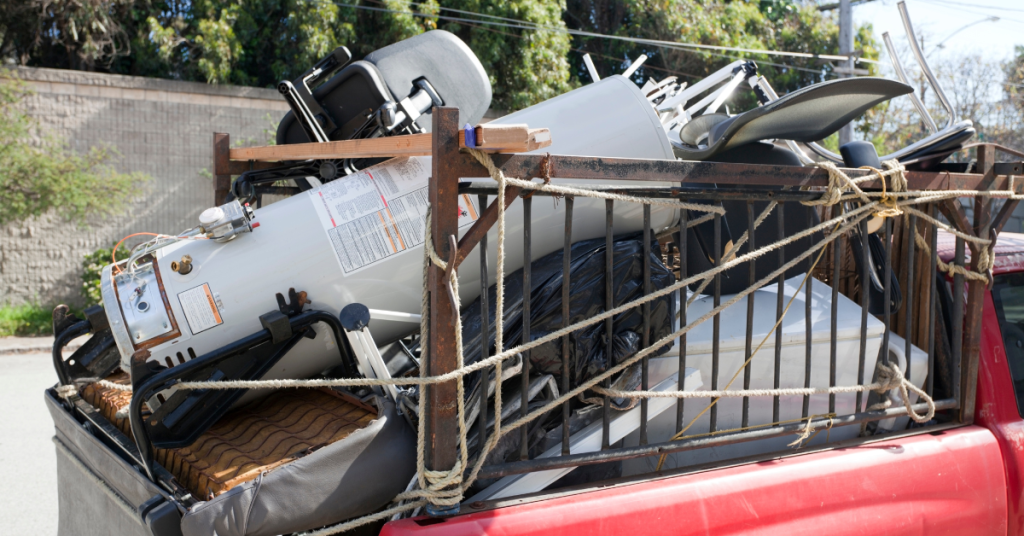
Once the walls come down and fixtures are removed, debris management becomes the next challenge. Bathroom demolition produces a surprising amount of waste—old tiles, drywall, plumbing materials, and flooring all pile up quickly. Having a plan for removal keeps the project efficient and the workspace clear. Renting a temporary dumpster or hiring a junk removal team ensures that debris doesn’t obstruct the renovation process. Quick removal also minimizes dust buildup and allows contractors to begin the rebuilding phase sooner.
Efficiency in debris disposal also depends on organization. Separating materials into recyclable and non-recyclable categories speeds up the cleanup process. Professionals who specialize in junk removal often have partnerships with recycling centers, making it easier to divert waste from landfills. They can also handle heavy or bulky items like bathtubs and toilets without damage to your property. Streamlined debris management keeps your renovation timeline on track while maintaining a cleaner, safer workspace from start to finish.
When to Hire Professionals for Bathroom Demolition
While some homeowners enjoy tackling renovation projects themselves, bathroom demolition isn’t always a simple DIY endeavor. Plumbing lines, electrical wiring, and structural components make this area one of the most complex spaces in a home. Professionals bring expertise, efficiency, and safety to the process. They know how to identify load-bearing walls, disconnect utilities properly, and remove materials without damaging surrounding areas. Their experience ensures that every step complies with safety codes and building regulations.
Hiring professionals also saves time and physical strain. What might take days of manual labor can often be completed in a few hours by a trained team with the right tools. They handle the heavy lifting, the sorting, and the disposal—tasks that can quickly become overwhelming for homeowners. Beyond convenience, working with experts gives peace of mind that the demolition phase is completed correctly.
Transforming Demolition into Opportunity
Demolition often carries the reputation of being chaotic, but it can actually be a strategic phase of creativity. Tearing down the old provides a rare chance to reimagine your space completely. Removing walls or expanding the layout can open possibilities that weren’t visible before. This phase exposes the true dimensions of your bathroom, letting you plan electrical outlets, lighting fixtures, or storage with precision.
Treating demolition as an opportunity instead of a hassle shifts your mindset. Instead of focusing on the mess, think of the potential underneath it all. Every hammer swing moves you closer to a functional, modern, and rejuvenated bathroom. The process clears not only physical space but also creative space, inviting you to think differently about design. With organization and foresight, what begins as demolition becomes the first exciting step toward transformation.
Conclusion
A smooth bathroom renovation starts with understanding the demolition process from start to finish. Preparation, safety, and responsible disposal form the backbone of any successful remodel. Taking time to plan, using the right tools, and handling materials properly ensures that every step unfolds without unnecessary stress or expense. Whether you handle small portions of the project yourself or rely on professionals, approaching demolition with care and strategy always pays off in the end. The cleaner and more organized the teardown, the faster your dream bathroom takes shape.
For reliable help with demolition debris, old fixtures, or construction waste, Mobile Dump Junk Removal provides dependable junk hauling and cleanout services throughout Ventura, CA. Their team ensures efficient, eco-friendly disposal so you can focus on bringing your renovation vision to life. To learn more or schedule assistance, call (805) 751-3744 or email mobiledumpremoval@gmail.com for prompt, professional service you can trust.