
Removing old fencing is rarely a simple matter of unscrewing a few panels and tossing them aside. Each fence carries its own set of challenges, influenced by its material, age, and installation method. Wooden fences may have decayed posts that splinter easily, while metal or chain-link fences can have sharp edges and rusted sections that pose injury risks. Environmental conditions such as soil composition and moisture can make posts stubbornly resistant to removal, turning the task into a physically demanding endeavor. Improper handling can damage surrounding landscaping or structures, leading to costly repairs. Understanding the specific requirements of your fencing material allows for a safer, more efficient approach.
Planning ahead is the cornerstone of safe and effective fence removal. It involves not only knowing the material type but also anticipating the tools and manpower required. Assessing the entire fence line helps identify weak spots or damaged areas that may collapse unexpectedly. Safety equipment is essential, including gloves, sturdy boots, eye protection, and sometimes helmets, depending on fence height and structure. Preparing a strategy for each section ensures that removal progresses smoothly without unnecessary strain or risk.
Tools and Equipment Needed for Safe Removal
The right tools make all the difference when tackling an old fence. Depending on the type of fencing, specific instruments can ease the process and prevent injury. Wooden fences often require pry bars, hammers, and post pullers to extract posts that may be set deep into the ground. Chain-link or metal fences demand cutters, wrenches, and sometimes power tools to separate the connections without creating sharp hazards. A sturdy wheelbarrow or dolly can transport heavy panels or posts once removed. Proper selection and use of equipment prevent unnecessary strain on your body while reducing the risk of accidental damage.
Equally important is the correct handling of the tools themselves. Misuse of a hammer or power cutter can result in serious injuries, particularly when metal or splintered wood is involved. Wearing protective clothing and maintaining a clear workspace is essential, as debris or scattered tools can become tripping hazards. Inspecting tools before use ensures they function correctly, while keeping them organized prevents chaos during the removal process.
Step-by-Step Approach to Fence Removal
Starting fence removal without a plan can lead to frustration and injury. It begins with carefully detaching panels or sections from their posts. For wooden fences, this often means unscrewing or prying nails and lifting panels gradually to avoid splintering. For metal fences, detaching wire connections or cutting through links is the first step. Posts are typically removed after panels, ensuring structural stability and reducing the risk of unexpected collapses. This sequence prevents damage to nearby structures and allows debris to be collected in an orderly fashion.
After panels are removed, attention turns to the posts and footings. Posts embedded in concrete or deep soil require careful leverage or digging around the base. Mechanical post pullers can assist, but manual methods often demand steady force and precision. Soil loosening or water application can ease extraction for stubborn posts. Disassembling a fence in stages—panel first, post second—prevents uncontrolled movement and provides better control over debris. Throughout the removal, constant vigilance and attention to body mechanics reduce strain and potential accidents.
Dealing with Hazardous or Problematic Materials
Old fences occasionally contain problematic materials such as pressure-treated wood, rusted metal, or broken glass panels. Pressure-treated wood may contain chemicals that require careful handling to prevent skin contact or environmental contamination. Rusted metal is particularly dangerous because it can cause cuts or tetanus exposure. Glass or other brittle materials need protective wrapping or containment to prevent shattering during removal. Proper disposal of these materials often involves separating them from standard waste and directing them to appropriate recycling or disposal centers. Awareness of these hazards and preemptive safety measures dramatically reduces the risk of accidents or long-term health issues.
Environmental considerations also play a critical role. Certain areas may prohibit burning treated wood or require specific drop-off sites for metals or hazardous components. Avoiding contamination of soil or water is essential when removing posts or concrete footings. Protective clothing, respirators for dusty conditions, and careful handling routines minimize exposure to harmful substances. By respecting the materials and their potential risks, the removal process not only protects your health but also aligns with responsible environmental practices.
Methods of Disposal and Recycling
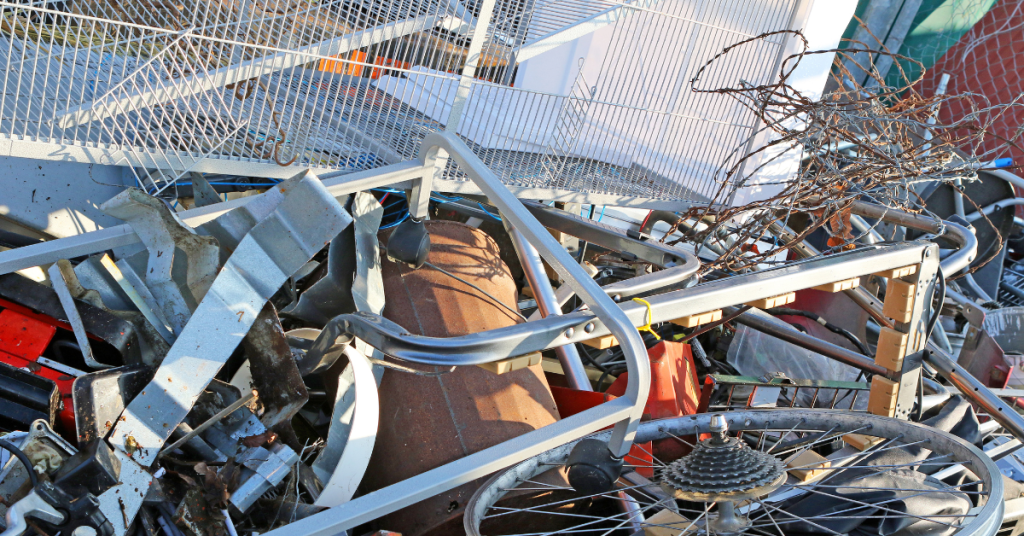
Once a fence is dismantled, the next critical step is disposal. Simply tossing old panels into a dumpster may be convenient but is rarely the most responsible or cost-effective solution. Many materials are recyclable or reusable; for instance, metal fencing can often be melted down, while untreated wood may be repurposed for landscaping or construction projects. Proper segregation of materials accelerates disposal and reduces landfill waste. By understanding your local recycling options, you can transform an old fence from unwanted junk into valuable resources, benefiting both your property and the environment.
In addition to recycling, arranging professional hauling can simplify the process significantly. Large panels and heavy posts can be cumbersome and time-consuming to transport safely. Hiring a specialized service ensures that materials are handled correctly and directed to the appropriate recycling or disposal centers. This not only saves time but also reduces injury risk, particularly when dealing with oversized or hazardous sections.
Safety Precautions During Fence Removal
Safety should always be at the forefront of any fence removal project. Accidents often occur due to lack of planning or improper handling. Clear pathways, organized debris piles, and sufficient lighting are all essential for minimizing hazards. Protective gear is non-negotiable; gloves, eye protection, and long-sleeved clothing shield against splinters, sharp edges, and chemical exposure. Awareness of surroundings, particularly electrical lines or underground utilities, further reduces risk. Adopting a slow, deliberate approach helps avoid rushed mistakes that could result in injury or property damage.
Another key aspect of safety is teamwork. Fence removal is often more manageable with two or more people to stabilize panels, maneuver heavy posts, and monitor progress. Communication between team members prevents missteps and ensures everyone remains aware of potential dangers. Rest breaks are equally important to maintain focus and prevent fatigue-related accidents.
Environmental and Community Considerations
Removing a fence is not only a personal or aesthetic decision but also one that can affect neighbors and the local environment. Noise from hammering or cutting, as well as debris scattered beyond your property line, can disrupt community harmony. Minimizing disturbance through careful planning, timely scheduling, and effective containment of materials demonstrates responsibility toward neighbors. Additionally, ensuring that waste is directed to approved disposal or recycling facilities supports broader environmental stewardship, preserving natural resources and preventing pollution. Small steps in managing debris and noise can significantly enhance community goodwill during what might otherwise be a disruptive project.
Landscape preservation is another crucial consideration. Fence removal can disturb soil, nearby plants, and garden structures. Protective measures, such as temporary barriers or padding, shield flora and prevent accidental damage. Attention to drainage and soil compaction also maintains yard integrity after posts are removed. By incorporating these environmental and community-conscious practices, fence removal becomes a holistic project that not only clears space but also supports the long-term health and appearance of your property.
When to Call Professionals
While DIY removal is possible, professional assistance can transform a complicated or hazardous fence project into a seamless process. Experts bring specialized tools, experience, and manpower, ensuring efficiency and safety. For particularly large or aged fences, or those with difficult terrain and potential utility conflicts, professional services reduce risk of injury, property damage, or non-compliance with disposal regulations. By outsourcing the removal, you gain peace of mind and free time to focus on other priorities.
The benefits of hiring professionals extend beyond convenience. Experienced crews streamline logistics, handle heavy lifting, and adhere to local codes, preventing fines or regulatory issues. Their expertise ensures that fence removal is thorough, leaving your property clean and ready for new construction, landscaping, or aesthetic enhancements. Partnering with a professional service transforms a labor-intensive, potentially dangerous task into an efficient, safe, and environmentally responsible endeavor..
Planning for Replacement or Future Projects
Once an old fence is removed, the cleared space presents an opportunity for improvement. Planning ahead for a new fence or alternative landscaping helps prevent future complications. Assessing your property lines, soil stability, and aesthetic goals ensures that any new installations are appropriate and sustainable. Considering materials, height regulations, and maintenance requirements at this stage prevents surprises later and supports long-term satisfaction. Thoughtful planning also aligns with community and environmental standards, creating a harmonious addition to your property.
Additionally, removing an old fence may inspire other enhancements. Open space can be repurposed for gardens, patios, or privacy solutions that enhance both functionality and curb appeal. Keeping debris cleared and property intact facilitates smooth installation of any new structures. Integrating design considerations with practical knowledge of previous fence performance can inform better choices, ensuring durability and satisfaction.
Conclusion
Safely removing and disposing of old fencing requires careful planning, proper tools, and awareness of environmental and safety considerations. From understanding the materials to handling hazardous components and ensuring proper disposal, each step plays a crucial role in minimizing risks and protecting both property and the community. A systematic approach, combined with protective equipment and adherence to regulations, transforms what might seem like a daunting task into a manageable and responsible project. Professional guidance can further streamline the process, ensuring efficiency, compliance, and peace of mind.
For expert assistance in fence removal and disposal, Mobile Dump Junk Removal in Ventura, CA provides reliable and safe services. Their team ensures that materials are removed efficiently, handled responsibly, and directed to proper recycling or disposal channels. Reach them at 805 751‑3744 or via email at mobiledumpremoval@gmail.com to schedule a consultation. With the right support, your property can be cleared safely and prepared for future improvements without hassle or risk.