
When you’re faced with the task of removing concrete—whether it’s a driveway slab, an old patio, or a section of flooring—there’s a rhythm to the process that’s worth getting right. The sheer weight and density of concrete demand careful planning so that the removal doesn’t become a Herculean and costly undertaking. Start by assessing the size, thickness, and location of the concrete you’re tackling. Understand whether reinforcement like rebar or mesh is embedded within. That will influence how you break up the slab and how you dispose of it.
Equally important is safety. Concrete removal can generate heavy debris, sharp edges, dust, noise, and the risk of injury from lifting or equipment failure. Always wear appropriate personal protective equipment: heavy gloves, steel‑toe boots, safety glasses, and a dust mask or respirator depending on conditions. Make sure the work area is cordoned off to protect bystanders or pets, and provide adequate ventilation if the removal happens in an enclosed space.
Choosing the Right Equipment and Tools
Selecting the right tools for the job can make the difference between a two‑hour removal and a two‑day battle. The thickness and reinforcement level of the concrete guide whether you’ll use a heavy pneumatic breaker, a walk‑behind slab saw, a handheld jackhammer, or even a small excavator. Smaller patches might yield to a handheld or electric jackhammer, while full slabs or driveways may require heavier equipment capable of handling large volumes and thicker reinforcement.
Beyond the heavy tools, an efficient removal job incorporates simple yet essential hand gear: chisels, pry bars, sledgehammers, shovels, and wheelbarrows for moving broken material. Having the correct disposal containers or dumpsters on‑site from the start relieves pressure later on. If you’re working on a spatially constrained area, planning for how debris will be transported—down stairs, through gates, or along narrow paths—is critical. Ramps or temporary tracks may ease the haul, and consider protecting walkways and landscaping before the heavy loads begin.
Managing Debris and Transportation
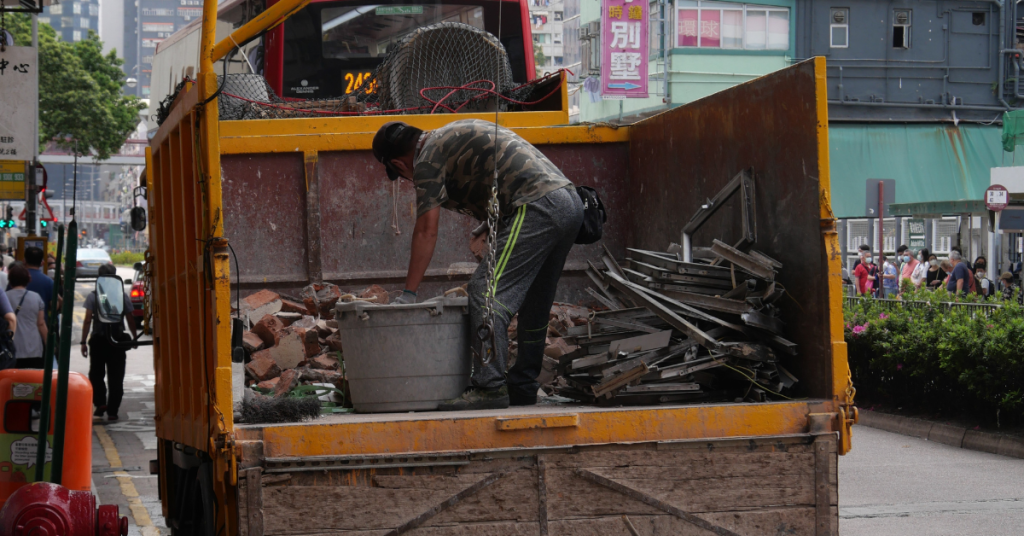
Once a break‑up is underway and you have concrete fragments on the move, the next major challenge is how to manage the debris and transport it efficiently. Concrete fragments are heavy—often hundreds of pounds each—and have sharp edges. You’ll want to use containers or dumpsters rated for heavy loads, and confirm that the rental or disposal provider is comfortable with concrete debris. Some smaller rental bins aren’t built for the density and sheer weight of concrete, and using them for concrete may incur excess weight charges or cause structural failure. It’s wise to measure the volume of material being removed ahead of time so you can select the right size container.
Transportation also means checking local regulations: concrete mixed with certain materials like asphalt, rebar, or hazardous coatings may need special handling and the truck may be subject to weight restrictions once loaded. Arranging for pickup or disposal before your site becomes a debris yard can keep costs in check and prevent safety hazards. Carefully cover loads to prevent dust spread or flying debris during transport.
Disposal Options and Environmental Considerations
When you arrive at the disposal stage, it’s important to think beyond the simple “haul away” mindset and consider the environmental impact, cost, and local opportunities for recycling or repurposing concrete. Many regions now offer concrete recycling facilities where old concrete is crushed and reused as base material for roads, driveways, or patios. This not only reduces landfill use but also lowers disposal cost in many cases and supports sustainability goals.
In addition to recycling, you may be able to repurpose smaller concrete fragments on‑site. They can form the base layer for new concrete pours, be used as fill or drainage rock, or even serve as stepping‑stones or decorative edging. Using what you remove can reduce transportation, costs, and waste. But you must ensure the fragments are free of contaminants—paint, chemicals, oil, and other coatings complicate reuse and often render the material unsuitable for many recycling purposes.
Site Preparation and Safety Measures Before Demolition
Before you get the jackhammer out—or call the professionals to do it—preparing the site ensures removal goes smoothly and safely. Remove any obstacles such as fences, gates, landscaping, or furniture that could interfere with your access. Ensure that the removal area is clear and that you have safe access for equipment, trucks, and crew. Mark utility lines and get locations for any underground services such as water, gas, or electrical conduits.
Temporary methods to reduce dust, noise, or vibration should also be considered. Deploy tarps, dust‑control misters, and barriers to adjacent rooms or outdoor spaces. Consider the time of day and neighborhood context—heavy breakers at dawn may upset neighbors. Vibration monitoring may be necessary if you’re near fragile structures. Additionally, coordinate removal during dry weather where possible: wet concrete is heavier and more dangerous to handle, and rain complicates hauling and trucking.
Deconstruction Techniques: Cracking, Cutting, and Breaking Concrete
When it comes to physically deconstructing a concrete slab, there are three main techniques to consider: controlled cutting, cracking along predetermined lines, and brute‑force breaking. Controlled cutting uses a slab saw or hand saw with a diamond blade to create clean, straight edges and sections. This is especially useful if part of the slab will remain or a new pour will integrate with the old. Cracking involves scoring the surface deeply and then using a jackhammer to break along those lines; this technique reduces random fracturing and makes sections easier to remove.
Whichever technique you choose, begin by creating a plan for the cut‑lines or break‑points. Think of the slab as a puzzle you’re disassembling: mark sections based on how they will lift, how the debris will move, and where the equipment will operate. If rebar is present, note where it crosses your lines and plan to cut it in advance. After cutting or breaking, remove pieces one at a time, working from the outer edge inward. This prevents the slab from shifting unpredictably and ensures safety.
Post‑Removal Inspection and Site Readiness for the Next Phase
Once the concrete has been removed and the debris cleared away, you arrive at one of the most critical phases: inspection and site readiness. This step ensures that you are not merely done with one job, but that you’re set up for the next one—whether it’s a new concrete pour, landscaping, or installation of a structure. Start by inspecting the exposed base material: look for signs of water pooling, voids under the removed slab, erosion, loss of compaction, or broken footings.
Clean the perimeter and ensure the area is level and free of debris. If any residual bits of concrete remain, remove them to prevent interference with new installation. If you are planning a new slab or patio, check that the grade, slope, and elevation are appropriate for your project goals. Consider installing a new moisture barrier, appropriate reinforcement, or insulation depending on your next step. If you plan landscaping, make sure the soil is well‑amended and alive.
Cost Considerations and Budgeting Smartly
Concrete removal is not just about the physical act—it’s a financial decision with variables that compound quickly. The cost is affected by volume of concrete, thickness, reinforcement, accessibility, haul‑distance, disposal fees, and whether recycling is available. Budgeting smartly means getting multiple estimates, and factoring in hidden costs: will the dumpster rental incur extra weight charges? Does the removal site require special access or equipment?
Keep in mind that choosing the cheapest option isn’t always the most economical overall. A service that leaves the site sloppy, doesn’t inspect the base, or uses substandard disposal might result in downstream costs—poor compaction, settling new pours, or higher repair bills. Factor in the value of professionalism, timeliness, and proper disposal practices. If recycling is available, it can offset some cost; conversely having to pay for landfill disposal may drive the budget higher.
When to Call a Professional vs. DIY
Deciding whether you handle concrete removal yourself or call in professionals is a key strategic choice. For small patches—say a broken porch step, a few square feet of slab—you might manage safely with the right tools and know‑how. But when the slab is large, heavily reinforced, integrated with structures, or in a high‑traffic area, professional involvement is prudent. Professionals bring expertise in structural effects, disposal logistics, safety protocols, and permit requirements. If you proceed on your own, ensure you’re comfortable with all risk factors and ready to respond to issues like unexpected underground voids, utility taps, or aerodynamic loads from heavy equipment.
Even if you plan DIY, having a professional come in for a consultation can add value: they can assess reinforcement, base conditions, disposal requirements, and advise on next‑phase site prep. If the removal is part of a larger renovation, having a professional outline the demolition and disposal plan can integrate seamlessly with subsequent construction. Professionals also often have access to favorable disposal rates and recycling options, which can reduce cost.
Conclusion
Removing and disposing of concrete involves far more than merely swinging a sledgehammer or breaking up a slab. It is a multifaceted process that requires careful planning, the right selection of tools, proper safety measures, and a well-thought-out waste management strategy. From the initial inspection of the concrete’s thickness, reinforcement, and location, to the demolition phase where chunks are carefully broken and removed, each step plays a critical role in ensuring the project is efficient, safe, and cost-effective. Proper debris handling, transportation, and disposal are equally essential, as mismanagement can lead to unnecessary expenses, safety hazards, or environmental concerns. Preparing the site for future use—whether for new construction, landscaping, or paving—ensures that the space is structurally sound and ready for the next phase. For professional, reliable, and eco-conscious concrete removal services, contact Mobile Dump Junk Removal in Ventura, CA. Their experienced team handles every step efficiently. Call 805 751‑3744 or email mobiledumpremoval@gmail.com for a free estimate.