
Shed demolition is more than simply tearing down old structures. It requires a clear plan, patience, and an understanding of how each component works together. A poorly executed demolition can cause property damage, injuries, or unnecessary delays. Starting with a thorough inspection of the shed allows you to identify materials, weak points, and potential hazards. Knowing whether the shed contains treated wood, nails, or asbestos helps in choosing the proper tools and safety precautions. A careful approach to removing roofing materials, siding, and framework ensures that debris can be managed efficiently and prevents unexpected accidents. Taking the time to plan each step makes the demolition process smoother and less stressful.
A solid grasp of the shed’s construction also informs which tools to prioritize. Standard hand tools may suffice for small, lightly built structures, but larger sheds often demand specialized equipment. Understanding the layout and condition of the shed allows for strategic dismantling, which can save time and reduce physical strain. Proper demolition is a combination of physical effort, tactical planning, and knowledge of material behavior. The result is a clean, controlled process that minimizes chaos and sets the stage for efficient cleanup.
Safety Gear You Cannot Overlook
Safety is the cornerstone of any demolition project, and shed removal is no exception. Protective gear is essential for preventing injuries from sharp nails, splintered wood, and flying debris. Gloves provide a secure grip while protecting your hands from cuts, abrasions, and chemical treatments in treated lumber. Safety goggles are crucial for shielding eyes from dust and errant debris, while a hard hat guards against falling objects during structural dismantling. Sturdy work boots reduce the risk of foot injuries, and long sleeves or durable workwear provide extra protection from scrapes and bruises. A respirator or dust mask is often necessary if you are working with older sheds that may contain mold, dust, or hazardous materials.
Equipping yourself with proper safety gear not only protects your body but also gives confidence as you tackle each phase of demolition. When you feel secure, tasks can be approached with precision and care rather than rushed recklessly. Being mindful of your safety also benefits those assisting you, as accidents can halt progress for days. Ultimately, the right protective gear is not an optional luxury; it is a foundational element that ensures your shed removal experience is efficient and injury-free.
Hand Tools for Controlled Demolition
Hand tools remain a cornerstone of shed demolition because they provide precision that larger equipment cannot. A crowbar or pry bar is invaluable for carefully dismantling walls, doors, and roofing panels without causing collateral damage to the surrounding property. Hammers are essential for breaking apart stubborn sections of the shed or removing nails from lumber. Handsaws offer controlled cuts for timber that cannot be safely removed with power tools. Pliers and wrenches are also necessary for loosening bolts, hinges, and fasteners that hold the shed together. These tools give you full control over each section, minimizing the risk of accidental structural collapse.
Using hand tools effectively requires technique and patience. Striking in the right direction and leveraging force correctly can make removal much easier while reducing the chance of personal injury. Hand tools are especially useful in areas where large power equipment is impractical, such as near fences, gardens, or delicate landscaping. Combining the right tools with proper technique allows you to dismantle the shed piece by piece, making it easier to sort debris for disposal or recycling. When wielded carefully, these tools ensure that demolition is manageable and organized.
Power Tools That Make the Job Faster
Power tools are a game-changer when it comes to demolishing larger sheds or handling tough materials. Circular saws and reciprocating saws allow for quick, precise cuts through wood, metal, and plastic. They save time and reduce the physical strain of repeated manual sawing. Drills and impact drivers simplify the removal of screws and bolts, accelerating the process of taking the structure apart. Nail guns and pneumatic tools can also be used strategically to remove or replace fasteners when necessary. Using power tools with care ensures that demolition progresses quickly while maintaining a level of control and safety.
Power tools require respect and attention to safety protocols. Proper handling, securing materials, and wearing protective gear are mandatory to prevent accidents. While they increase efficiency, power tools should complement hand tools rather than replace them entirely. They excel at the heavy lifting and repetitive tasks that are labor-intensive when done manually, but finesse work still relies on precision hand tools. Integrating power tools with careful planning allows for a balance between speed and accuracy, making shed removal both effective and manageable.
Material Handling and Debris Management
Removing debris efficiently is as important as taking the shed apart. Without proper planning, debris can accumulate quickly, creating hazards and slowing progress. Wheelbarrows, heavy-duty trash bags, and sturdy bins help transport materials away from the demolition site. Sorting debris into categories like wood, metal, and recyclable materials streamlines disposal and promotes environmentally responsible practices. If some components are in good condition, separating them for donation or reuse reduces waste and offers a second life for otherwise discarded materials.
Managing debris requires foresight and a systematic approach. Keeping the workspace clear allows for safe movement and reduces the risk of tripping or falling. Efficient debris removal also facilitates faster completion of the project, enabling you to focus on cleanup and preparation for future landscaping or construction. By staying organized and methodical, you ensure that every step of demolition, from removal to disposal, contributes to a safer, cleaner, and more productive project.
Specialized Tools for Stubborn Materials
Sometimes, sheds contain materials that are particularly difficult to dismantle. Metal siding, concrete bases, or pressure-treated wood often resist standard hand tools. In these cases, specialized tools like sledgehammers, metal cutters, or jackhammers are essential. A sledgehammer delivers powerful blows to break down walls and foundations, while metal cutters slice through steel panels or rods efficiently. Jackhammers can remove concrete pads or stubborn slabs without excessive manual labor. These tools tackle the toughest parts of a shed that cannot be removed through conventional means.
Specialized tools demand skill and care, as they can easily cause damage if misused. They are best employed for targeted tasks, where precision is less critical, and brute force is necessary. Understanding which tool is suitable for each material is key to avoiding mistakes and maintaining a controlled demolition. Using specialized equipment alongside standard hand and power tools ensures that no aspect of the shed removal is left incomplete, and every component is addressed in a safe, systematic way.
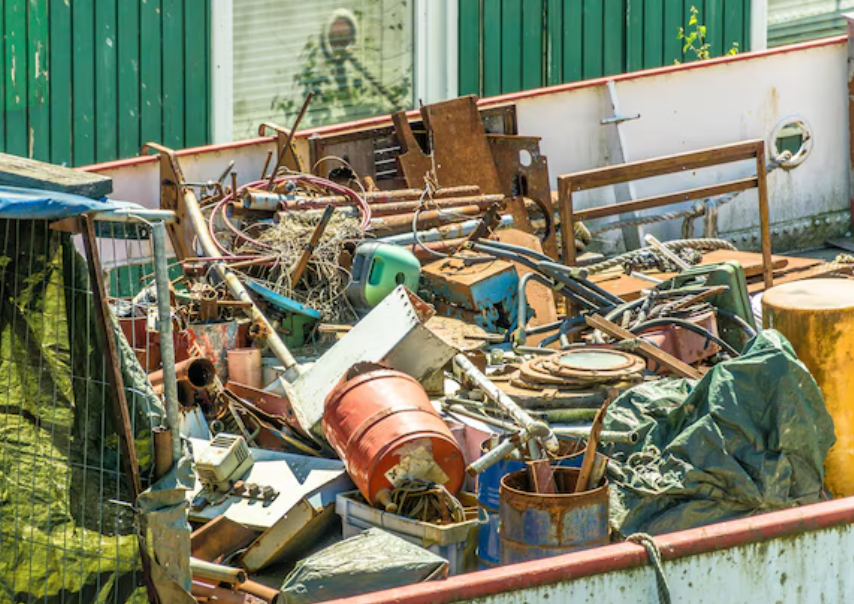
Planning for Disposal and Recycling
A successful shed demolition ends not with the last swing of a hammer but with effective disposal and recycling of materials. Pre-planning disposal routes, hiring hauling services, or arranging drop-off points can prevent unnecessary delays. Many materials, such as untreated wood, metal, and plastics, are recyclable and should be separated accordingly. Some companies even offer pick-up services for large quantities of debris, streamlining the final stage of demolition.
Recycling and responsible disposal reflect environmental stewardship and reduce landfill contributions. By planning ahead, you not only save time and effort but also contribute positively to the community and the planet. Sorting materials, using the right containers, and partnering with reliable waste management services ensures that every step of demolition aligns with sustainability goals. A thoughtful approach to disposal transforms a potentially messy project into a clean, organized, and eco-conscious operation.
Time-Saving Tips for Efficient Shed Demolition
Efficiency in shed demolition is achieved through a careful blend of preparation, skillful technique, and the strategic use of tools. Before striking the first blow, taking the time to plan the entire demolition process can save hours of frustration and physical strain. This includes not only deciding the order in which walls, roof, and foundation will be dismantled but also assessing the condition of materials to anticipate potential challenges. Gathering tools, safety gear, and supplementary equipment ahead of time prevents interruptions caused by last-minute searches or forgotten items. Assigning roles within a team based on experience and physical capability further streamlines the workflow, allowing tasks to be completed simultaneously rather than sequentially.
Time management during shed removal is not solely about speed; it is about understanding the nature of each task and adapting accordingly. Certain sections of a shed may respond best to deliberate, controlled handwork, such as carefully prying boards or removing nails, while other sections—like a sturdy concrete base or dense metal siding—may require the raw power of a sledgehammer, jackhammer, or reciprocating saw. Knowing when to switch between finesse and force is essential to conserve energy and maintain a safe working pace. Periodically assessing progress and adjusting strategies ensures that each phase of the demolition is approached efficiently without compromising structural safety or the surrounding environment.
Conclusion
Completing a shed demolition and cleanup project is more than swinging a hammer and hauling debris. It’s about orchestrating a sequence: smart planning, using the right hand and power tools, equipping your team with safety gear, managing waste responsively, and executing a diligent final sweep. With this arsenal of tools and techniques you transform what could be a chaotic job into a structured, efficient operation that minimizes disruption while maximizing value. Whether the structure is an old backyard shed or a larger outbuilding, applying these fundamentals puts you ahead of the curve and ensures you’re prepared for every phase—from first cut to last cleanup.
If you’re located in Ventura or the surrounding area and require professional assistance, consider reaching out to the team at Mobile Dump Junk Removal. Located in Ventura, CA, they provide thorough demolition cleanup and eco‑aware junk removal services with transparent estimates and responsible disposal. Reach them at 805 751‑3744 or email mobiledumpremoval@gmail.com.