
Removing old flooring can feel like stepping into a whirlwind of dust, debris, and decisions—but it doesn’t have to. With the right mindset and strategy, the process transforms from chaotic to controlled. One of the first things to remember is that no matter if you’re tearing up plush carpet, fragile tile, worn-out hardwood, or resilient vinyl, each material brings its own quirks and challenges. Recognizing the type of flooring you have allows you to tailor your approach: what works for vinyl might damage hardwood, and tile removal demands different techniques altogether. By understanding your substrate upfront, you’re already halfway to a smoother removal process.
Equally important is the mindset of preparation. Before a single board is pried up or carpet rolled, you’ll want to clear the area, protect surrounding surfaces, and prepare for debris. This preparation phase sets the tone for the entire job—it reduces surprises, saves time, and minimizes stress. It is far easier to remove an old floor when pathways are clear, tools are ready and the surrounding environment is protected. In other words, give yourself the space and disposition to act deliberately rather than reacting to dust and chaos.
Choosing the Right Tools and Techniques
Once your workspace is ready, the selection of tools and techniques becomes critical. For carpets, a stout utility knife and strong gloves will help you slice manageable pieces and remove tack strips; for hardwood you’ll need a pry bar, possibly a reciprocating saw, and patience to lift boards without damaging the subfloor; tile often requires chisels, hammers, or even powered breakers if the job is large. Matching tools to the specific material and technique ensures that you aren’t wasting time fighting the flooring rather than removing it. When you’re handling underlayment, adhesive, or fasteners like nails and staples, the right scraper, heat gun, or nail puller will pay dividends.
Technique also matters just as much as the tools. Removing sections in a logical sequence—beginning at one wall, systematically progressing, keeping debris organized—makes the workflow smoother. It’s advisable to lift boards or tile gently, maintain control of debris, and keep the footprint of the mess contained. For example, rolling up carpet as you go rather than dragging entire sheets helps keep things cleaner. Meanwhile, for tile removal, breaking one square at a time and stacking it neatly prevents injury and mess. The methodical rhythm that emerges when you pair proper tools with thoughtful technique is what turns a potential nightmare into a structured renovation step.
Protecting Your Subfloor and Surroundings
The subfloor beneath your old flooring often goes unnoticed until something goes wrong. Yet this foundation is crucial for the durability and lifespan of your new floor. During removal, protect the subfloor by lifting boards or tile without gouging, and remove adhesives or staples that might interfere with the next layer of installation. It’s also wise to inspect the subfloor for damage—rot, warping, water stains—and make repairs before moving on. A pristine subfloor means fewer surprises after the finish flooring goes down.
Beyond the subfloor, attention to surrounding walls, baseboards, cabinetry, and fixtures pays off. Dust and debris have a way of migrating unless barriers and covers are in place. Using plastic sheeting to cover vents, doorways, and valuables will help contain the mess and protect the rest of your space. In addition, temporarily removing baseboards or trim, if feasible, prevents accidental chipping or cracking when lifting flooring near edges. By treating the surrounding environment as part of the project, you minimize collateral damage and make the cleanup phase far less grueling.
Planning for Waste and Disposal
One of the unglamorous but essential aspects of flooring removal is what happens after the material comes up. Disposing of old carpet, tile fragments, underlayment, nails, staples, adhesive—all of this needs planning. It’s helpful to know ahead of time where you’ll haul the debris, what recycling options exist, and whether any materials require special handling. For instance, very old flooring may contain asbestos or lead-based adhesives—if that’s the case, professional removal protocols apply.
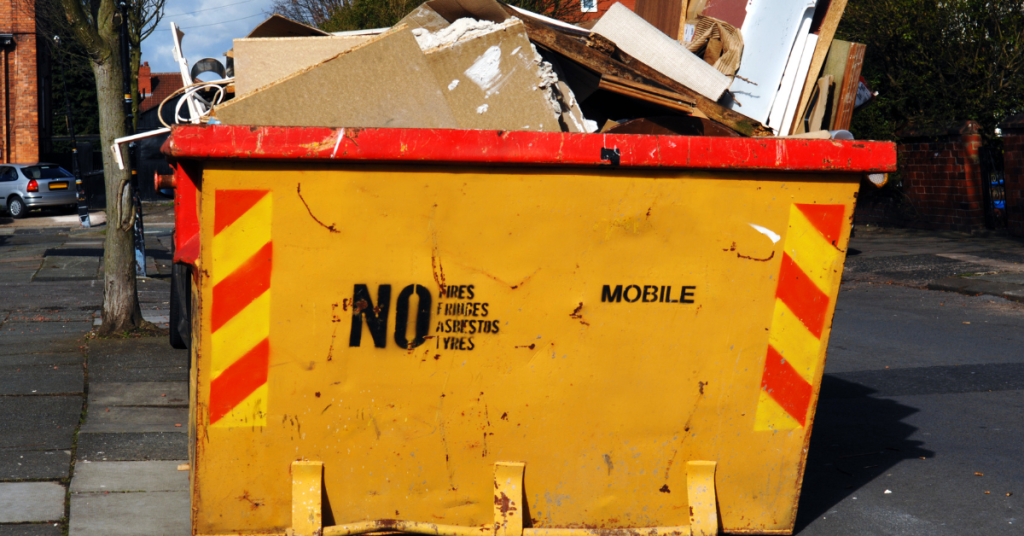
A planned disposal process keeps your workspace safe, your project on schedule, and your environmental footprint minimized. This means having heavy‑duty trash bags or bins ready, scheduling a pickup or dumpster drop‑off, and sorting wood, tile, or carpet for potential recycling rather than landfilling. The end result: a streamlined transition from demolition to installation without lingering logistics dragging you down.
Minimizing Disruption and Ensuring Safety
Even a small flooring removal job can disrupt life. Furniture needs to move, rooms become construction zones, and dust travels. Minimizing this disruption starts with clear scheduling and setting expectations with everyone affected. Whether you’re doing this in a home or office setting, choosing a time when the impact is lowest will ease stress. Perhaps block off a weekend, coordinate with contractors, or work in phases so your space remains functional.
Safety should never be an afterthought. From torn up carpeting to tile shards, the risks include sharp objects, airborne dust, hidden nails, and unexpected debris. Protective gear such as gloves, dust masks, safety glasses, and knee pads makes more sense than skipping them. Beyond personal protection, ensure clear walkways, remove obstacles, and keep children or pets out of the work zone. A safe, disciplined environment accelerates progress and prevents accidents that can turn a routine task into a major setback.
Timing, Budgeting, and Communication
Timing plays a pivotal role in how smoothly your flooring removal unfolds. You’ll want to coordinate the removal phase with the arrival of new materials, any subcontractors (e.g., installers, electricians), and your own schedule. Unexpected delays in removal can ripple into the next phase of the project. Budgeting for removal is often underestimated—while the new flooring gets attention, the labor, disposal, and preparation of old flooring pose their own costs. It’s wise to build in contingencies for surprises such as adhesive removal or subfloor fixes.
Communication is another cornerstone. Whether working with a rental dumpster service, a removal crew, or your own team, clear discussion of what will be removed, when, and how helps everyone stay aligned. If you’re working with a professional service, asking about what they include—cleanup, baseboard removal, disposal fees—prevents hidden costs or misunderstandings. Planning and communication combine to keep budgets realistic and the schedule fluid.
Maximizing Sustainability and Environmental Considerations
Beyond simply ripping out the old floor and hauling it away, a conscientious approach involves thinking about the environment. Many older flooring materials, especially carpet, underlay, or adhesives, end up in landfills but can be reused or recycled.Sorting materials so that wood planks, tile fragments, metal fasteners, and carpet padding go to appropriate recycling streams is an investment in the future. Even selecting removal professionals or services that emphasize eco‑friendly disposal adds value.
In addition, removing old flooring gives you the opportunity to evaluate the health and indoor air quality of your space. Dust and debris stirred up during removal can carry allergens, so containment and post‑cleanup should not be overlooked. By combining material reuse and proper disposal with good air‑quality practices, your flooring removal becomes part of a smarter, more sustainable renovation cycle rather than a quick “rip‑and‑dump” job.
Ensuring a Clean Slate for Installation
Your ultimate goal is likely the installation of new flooring—so the removal phase should be viewed as the setup, not the primary focus. Once the old floor is gone, you want the space left behind to be ready: subfloor sound and level, debris cleared, dust vacuumed out, fasteners removed, edges clean, and transition zones reset. A rushed or sloppy removal can lead to longer installation times, uneven floors, or unnecessary repairs. Proper follow‑through means treating removal as one of the most important steps in the chain.
Cleanliness matters. A good removal job leaves the space not just empty but prepared. Sweep, vacuum, inspect—these practices ensure that the installer can hit the ground running. Any remaining adhesive, nails, or uneven surface must be addressed before the next step. The better you handle this phase, the less risk of costly callbacks or issues.
When to Call in the Experts
There are moments when DIY flooring removal isn’t ideal. If you suspect hazardous materials like asbestos or lead‐based adhesives, or if you’re dealing with large commercial zones or heavy tile and concrete, professional removal is safer and more efficient. If you anticipate serious subfloor repairs, massive debris volumes, or tricky logistics multi‑story building, confined space, hiring an experienced removal service saves time, money, and headaches.
Additionally, professional services often provide full disposal, recycling sorting, cleanup, and are insured in case of damage. These services make sense when the scale or complexity surpasses a weekend DIY effort. Choosing a reliable provider means you’re not just getting removal—you’re getting a partner in your renovation journey.
Conclusion
Bringing it all together, flooring removal is more than just tearing out old materials—it is a crucial foundation for any successful renovation project. Approached thoughtfully, with careful planning and execution, it sets the stage for a smoother, more efficient, and ultimately more satisfying renovation experience. The process demands attention to detail, including proper preparation of the space, selecting the right tools for each type of flooring, following a logical removal sequence, managing waste effectively, and maintaining a focus on safety throughout. Considering sustainability by recycling and responsibly disposing of old materials not only protects the environment but also aligns with modern, eco-conscious renovation practices. By handling each step deliberately and methodically, you minimize disruption to your home or workspace while protecting both surfaces and people. Partnering with a reliable, professional service ensures that all these elements are covered, leaving you free to focus on the most exciting part of your project: installing your new flooring and enjoying a refreshed, beautiful space. For expert flooring removal services in Ventura, CA, contact Mobile Dump Junk Removal at 805 751‑3744 or via email at mobiledumpremoval@gmail.com.