
Undertaking a renovation often means more than just replacing fixtures or repainting walls—sometimes it requires complete removal of old drywall to make way for renewal. The process of eliminating drywall from a site is far from merely knocking down panels and hauling them away. It requires thoughtful planning, precise execution and a clear strategy for handling waste. In real‑world renovation scenarios, particularly in regions like Ventura, CA where space and disposal considerations can be distinct, choosing the right approach can make the difference between a smooth transition and unexpected complications.
Drywall serves as the backbone of many interior surfaces—walls, ceilings, partitions—and removing it is often the first step toward legitimate transformation. Whether you’re upgrading your kitchen, converting a garage into a workable space, or renovating an entire commercial facility, you’ll find that dusty demolition, debris management and responsible disposal are just as important as the finished look. From the moment you decide to pull down existing drywall, a number of decisions sneak into play:
The Assessment Phase: Understanding the Scope and Implications
Before the sledgehammer even comes off the rack, you need a clear snapshot of the job ahead. That starts with an initial consultation, ideally with a partner who understands drywall removal from the inside out. At this stage you assess how much material needs to be removed, identify any potential challenges such as electrical wiring, plumbing, insulation or structural obstacles, and anticipate how the removal will fit into the broader project timeline. It’s not just about square footage.
Moreover, you’ll want to factor in the logistics of waste disposal from the very beginning. How many debris loads will there be? Will you need dumpsters or special containers? Is the access to the work area clear? What protections do you need to mask off adjoining spaces and minimize dust migration? A top‑tier provider will walk you through these questions, give a no‑obligation estimate that outlines the variables, and align the removal strategy with your needs. Choosing to treat assessment seriously leads to a smoother workflow and fewer surprises.
Safe & Efficient Demolition: How to Remove Drywall with Precision
Removing drywall might sound straightforward—just tear it out and pile it onto trucks—but doing it well means employing techniques and precautions that protect the rest of the structure, minimize mess and accelerate cleanup. First, you’ll need to protect the surrounding environment: cover floors and furniture, seal off neighboring rooms, block HVAC vents if necessary and isolate the work zone. The demolition team will use proper tools – drywall saws, utility knives, pry bars – and maintain dust control measures such as drop cloths or plastic sheeting.
If you’re removing ceiling drywall, or walls with embedded wiring or plumbing, the challenge increases. A competent crew will identify those risks, halt work to adjust if hazards appear e.g., mold, asbestos, wiring issues, and proceed with caution. They’ll do more than just rip things out: nails and screws get pulled, framing is cleaned up, loose debris is boxed and sorted.
Waste Management Strategy: Recycling, Disposal, and Environmental Considerations
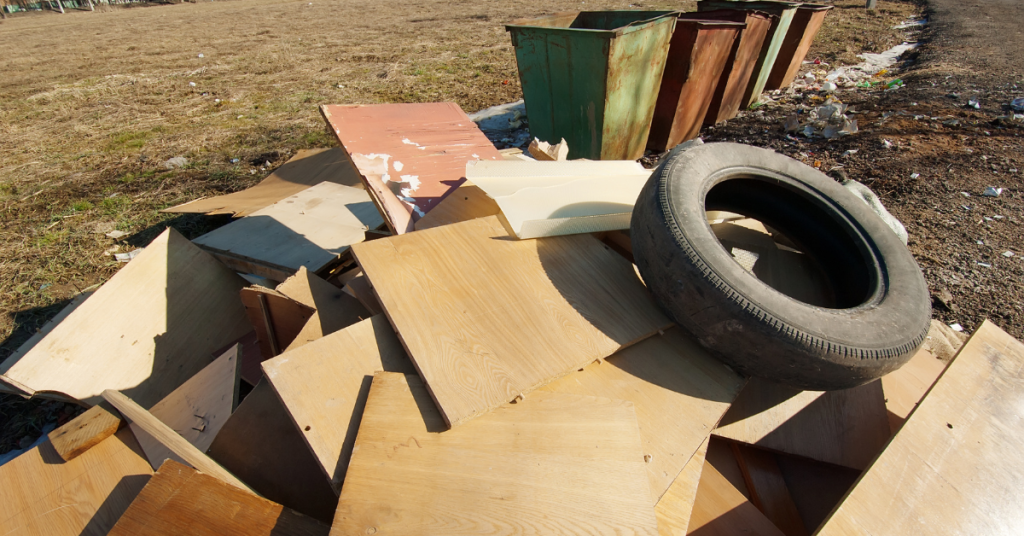
Once the drywall panels are down and the dust is settling, the spotlight shifts to waste management. How you handle the material you’ve demolished matters greatly. Drywall often contains gypsum board, which can be recycled under the right conditions. But when it’s mixed with insulation, paint, adhesives, wood or metal, it becomes “old gypsum waste” and carries greater disposal complexity.
In the Ventura region and beyond, partnering with a firm that prioritizes “eco‑friendly disposal practices” can make a big difference. Responsible providers will sort the drywall from other materials, load recyclable gypsum where possible, and haul non‑recyclables to compliant facilities. This isn’t just good for the environment—it also ensures you remain in line with local regulations and avoid landfill surcharges or extended haul fees.
Streamlining Logistics: Scheduling, Access, and Coordination
Even with assessment, demolition and disposal mapped out, your drywall removal effort can still be derailed by logistics. Scheduling the team at the right time, coordinating access to the work zone, managing transport routes and ensuring minimal disruption to your site are key. In a residential setting you may need early‑morning starts; in a commercial environment you might need quiet hours so business operations aren’t interrupted.
Similarly, access to the site matters. Is there clear parking? Does the crew have space to stage loads? Are doorways wide enough to remove panels? Will the building permit required areas to be isolated or barricaded? Each of these issues slows you down unless pre‑addressed. With a contractor who arranges the necessary containers or trucks, defines drop‑off and pickup windows, and keeps the work‐zone tidy, you avoid the dreaded “cleanup row” that drags into other trades’ schedules.
Cost Considerations: Transparency, Materials and Scope
When budgeting for drywall removal you’ll want to know what factors influence cost, and how you can keep your numbers reasonable. Factors such as the square footage of drywall, the height or access difficulty ceiling removal tends to cost more, the level of containment needed for dust control, lead or asbestos hazard mitigation, the amount of waste separation, and the locations for disposal all play a part.
Transparent pricing matters. A reputable service will breakdown the estimate: labor for removal, any protective measures, waste hauling and disposal fees. They’ll flag any potential additional costs up front for example if mold or hazardous materials are found. When you’ve got clear numbers you can plan your renovation budget more reliably. A service that hides disposal surcharges until after the job can damage your entire renovation timeline.
Minimizing Disruption: Dust, Noise and Site Safety
Drywall removal naturally generates dust, noise and disruption—but the way you manage those elements determines how invasive the process feels. With the right tactics you can reduce the burden on occupants, neighboring areas and subsequent trades. To begin with, isolating the work zone via plastic sheeting, door covers and vents helps contain airborne particles. Using vacuums with dust collectors, keeping materials bagged or boarded promptly, and removing sharp debris quickly keeps the jobsite safer and more controlled.
Noise is another factor. Wall removal and sheet‑rock demolition carry impact sounds. Scheduling this work outside high‑traffic hours, or alerting occupants ahead of time, mitigates frustration. Safety is always crucial: ensuring the crew uses proper protective gear, stabilizes loads before transport, keeps walkways clear and uses ramps or carts safely reduces risk. When disruption is controlled and cleanup is rapid, the removal phase feels less like a penalty and more like progress.
Preparing for Next Steps: From Clear Space to Renovation Heaven
Once the old drywall is gone and the debris is hauled away, your site has entered a new phase—the one you planned for. But that doesn’t mean all responsibility for the removal ends. Post‑removal inspection and cleanup are key. You or your provider should review the space: ensure all drywall fragments are removed, surfaces are clean, nails and screws extracted, studs visible and ready for what comes next.
Beyond the physical readiness, the clarity you achieve from a clean site helps you stay on schedule. With minimal clutter, you can bring in materials, tradespeople and begin installation of new walls, electrical, insulation or finishes. Using a removal contractor who leaves the space “spotless” rather than just “empty” transforms your next phase from scramble to smooth. When you execute removal as a clean cut from old to new, the full renovation benefits.
Why Partnering with a Professional Matters
Opting for professional drywall removal brings multiple advantages: expertise, efficiency, compliance and reliability. A skilled team knows how to navigate structural hazards, avoid damaging wiring or plumbing, safeguard occupants and stay ahead of waste disposal headaches. They also typically have relationships with disposal facilities and recycle where possible, minimizing the environmental burden.
Moreover, hiring professionals frees you to focus on your renovation’s bigger picture: design, finishes, timeline. You don’t need to manage the logistics of removal, keep track of heavy lifting, or monitor whether the haul truck is running late. The process becomes a single item off your plate. Especially for larger or commercial jobs, professional removal ensures that the drywall phase doesn’t lag or derail your entire schedule. The benefits outweigh the cost—especially when cost is structured transparently.
Common Pitfalls and How to Avoid Them
Despite best intentions, drywall removal projects can run into snags. One frequent issue is mixing contaminated drywall with clean drywall and triggering higher disposal costs. Another is inadequate containment of dust, leading to follow‑on cleanup by other trades or unexpected drywall fragments popping up weeks later. Poor scheduling (for example arranging removal during peak business hours in a commercial setting) leads to productivity losses elsewhere. Delayed removal without clear waste pick‑up means a workspace littered with debris and trades standing idle.
Avoid these issues through good communication, upfront planning and choosing a service that takes full responsibility for hauling and disposal. Insist on an estimate that clearly separates removal, hauling and disposal costs. Request dust‑containment measures and timeline coordination to fit your project. Confirm disposal strategy: recycling where possible, compliant hauling, no “oops” fees at the dump.
Conclusion
In the broader context of a renovation, drywall removal represents a pivot point—it’s where you leave the old behind and prepare the stage for new possibilities. Executed thoughtfully, it can feel seamless, efficient and almost invisible. Managed poorly, it becomes a bottleneck, a cost‑center and a source of frustration. By choosing a trusted provider, planning logistics, controlling waste responsibly and preparing for the next phase, you ensure that the removal of drywall becomes one more step toward transformation—not an obstacle.
If you’re undertaking drywall removal in the Ventura area and looking for professionals who handle the job from consultation through cleanup and responsible disposal, consider contacting Mobile Dump Junk Removal. They bring local experience, transparent pricing, eco‑friendly practices and a commitment to leaving your space ready for what comes next. Based in Ventura, CA, they can be reached at 805 751‑3744 or via email at mobiledumpremoval@gmail.com.