
Bathroom demolition marks the exciting first step toward creating a refreshed, functional space. Before the tiles come off and fixtures are hauled away, preparation is the key that separates a smooth renovation from a chaotic one. A well-planned demolition not only prevents unnecessary damage but also ensures that the process stays efficient and safe from start to finish. Understanding what to expect and how to get ready can help homeowners save time, money, and frustration as they move toward their remodeling goals.
Every successful renovation begins with a clear foundation, and that starts long before the first hammer swing. Proper preparation involves assessing your space, knowing which materials need to be removed, and organizing a plan that keeps both safety and disposal in mind. From shutting off utilities to coordinating professional assistance, a structured approach turns demolition into a manageable, even satisfying, part of your bathroom transformation journey.
Assessing the Scope of the Project
The first step in any demolition is knowing exactly what you’re getting into. A bathroom might look small, but it can hold layers of hidden complexity—plumbing routes behind the walls, electrical lines beneath tiles, and subfloor materials that require careful handling. Take time to walk through the space and decide what stays and what goes.
Homeowners should also consider the broader purpose of the demolition. Is it a full gut renovation, or are you targeting specific updates like replacing tiles and vanities? The answer dictates how extensive your prep work must be. A comprehensive assessment allows for a clear demolition roadmap, helping to anticipate obstacles such as structural supports or potential water damage behind walls—issues that, when identified early, can be managed efficiently without derailing your project’s progress.
Gathering the Right Tools and Equipment
A well-equipped workspace makes demolition cleaner, faster, and safer. While some items—like hammers and pry bars—are obvious essentials, others play crucial behind-the-scenes roles. Protective gloves, eye goggles, masks, and sturdy boots safeguard you from dust, debris, and sharp materials. Heavy-duty trash bags, buckets, and plastic sheeting can help control messes and keep the rest of your home free from dust migration. Renting a dumpster or hiring professionals to handle debris removal can also be part of your plan.
It’s tempting to rely on basic household tools, but professional-grade equipment often performs better under stress. Power tools like reciprocating saws and drills, when used correctly, can save hours of manual labor. Preparing these tools in advance ensures a smooth start and reduces downtime once demolition begins.
Securing the Space Before Work Begins
Before breaking into walls or floors, it’s critical to isolate the area from the rest of the home. Bathrooms connect to hallways and living spaces that can quickly become coated in dust and debris if left unprotected. Cover doorways with plastic sheeting, tape off vents, and lay down floor coverings to create a clear boundary. This step not only prevents damage to surrounding areas but also makes cleanup far easier once demolition concludes.
If your bathroom shares walls with bedrooms or kitchens, consider temporary adjustments for comfort and convenience. Noise, dust, and limited water access can disrupt routines, so plan ahead by designating alternative spaces for daily needs. Simple measures like sealing gaps or using air purifiers go a long way toward maintaining indoor air quality.
Turning Off Utilities Safely
One of the most important safety measures before demolition is shutting off all utilities connected to the bathroom. Water, electricity, and gas lines run behind walls and beneath floors, and accidental contact with live lines can lead to major hazards. Turn off the main water supply to prevent leaks or flooding when removing sinks, toilets, or showers. Likewise, ensure all electrical circuits serving the bathroom are disconnected to eliminate shock risks.
This step might sound straightforward, but older homes can present surprises. Pipes and wiring may have been rerouted during previous remodels, so double-checking every line is wise. It’s also a good idea to label valves and switches to make reconnection easier later.
Protecting Valuable Fixtures and Surfaces
Not every item in your bathroom needs to be destroyed or discarded. Some fixtures—like mirrors, lighting, or hardware—can be preserved for reuse or donation. Cover items you intend to keep with drop cloths or carefully remove and store them before heavy work begins. This prevents scratches, cracks, and breakage while giving you a cleaner, more organized workspace to operate within.
Floors leading out of the bathroom should also be shielded from damage during debris transport. Moving broken tile, drywall, and old fixtures can leave scuff marks or punctures if unprotected. Using sturdy mats or old rugs can minimize wear on hallways and stairs. A few small steps in protection make a noticeable difference in preserving the rest of your home from the collateral impact of demolition work.
Handling Dust and Air Quality
Demolition creates dust—and lots of it. Fine particles from plaster, grout, and tile can linger in the air, settling on surfaces long after the work is done. Ventilation plays a vital role in minimizing health risks and keeping the environment breathable. Opening windows, using box fans, or deploying HEPA filters can help circulate fresh air and capture airborne debris.
If you’re performing extensive demolition, wearing a dust mask or respirator is non-negotiable. Some older materials, especially in vintage homes, may contain harmful substances like lead paint or asbestos, requiring professional assessment before disturbance. Keeping dust under control is about more than cleanliness; it’s about protecting everyone involved.
Planning for Waste and Debris Removal
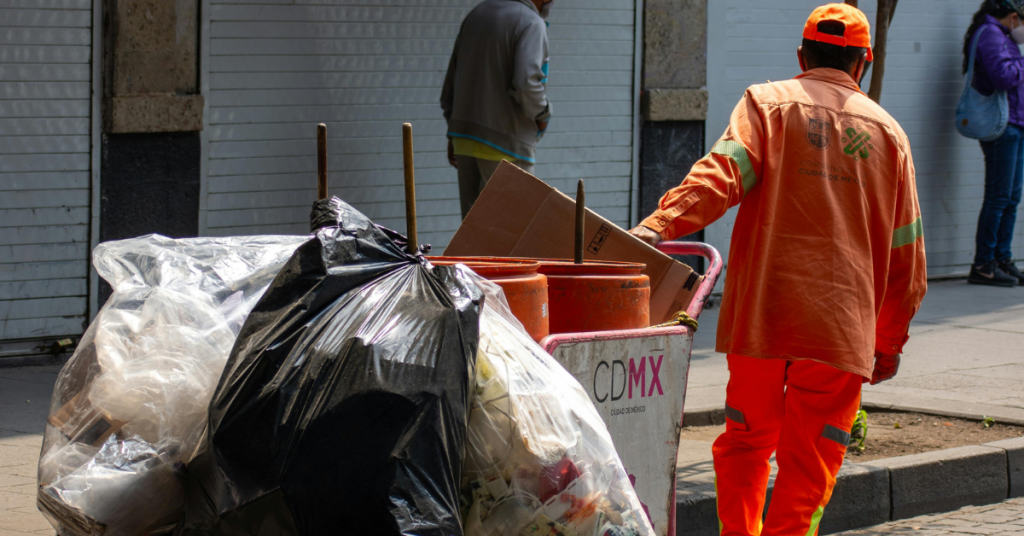
Once demolition begins, debris piles up quickly. Broken tile, drywall, fixtures, and flooring can overwhelm your space if not managed efficiently. Before starting, arrange a system for collection and disposal. Renting a dumpster or coordinating scheduled junk removal services ensures continuous progress without cluttering walkways. A clean workspace supports better focus and reduces tripping hazards.
Responsible disposal also matters for environmental reasons. Many construction materials can be recycled or repurposed rather than sent straight to a landfill. Metal fixtures, porcelain sinks, and even certain tiles can be diverted to recycling centers with proper sorting. Handling waste conscientiously turns demolition into a more sustainable practice, aligning your renovation with modern eco-friendly values while maintaining a professional, organized workflow.
Considering Professional Assistance
While DIY demolition has its appeal, hiring professionals can be a wise decision—especially when plumbing, structural elements, or hazardous materials are involved. Experienced demolition crews understand the nuances of dismantling safely and efficiently, often completing tasks in a fraction of the time a homeowner might spend. They bring specialized tools, disposal systems, and safety protocols that ensure the job meets local regulations and stays on schedule.
Working with professionals also reduces personal stress. Instead of juggling debris hauling, utility management, and safety concerns, you can focus on design and renovation decisions. The investment in expert help often pays for itself through reduced repair costs and fewer delays.
Managing Unexpected Discoveries
Even the best-planned demolition can reveal surprises. Hidden mold, water damage, outdated wiring, or compromised subfloors often emerge once walls and fixtures are removed. Rather than viewing these as setbacks, approach them as opportunities to correct deeper issues before rebuilding begins. Addressing such problems early strengthens the foundation for your new bathroom’s long-term durability.
Flexibility is essential during this phase. Adjusting your schedule or budget to accommodate repairs may feel inconvenient, but it prevents future complications that could cost far more down the line. Document findings with photos and notes, then consult professionals when necessary to determine the safest, most effective solutions. Unexpected discoveries, when handled calmly and proactively, can ultimately lead to a stronger, better-built renovation.
Maintaining Safety and Communication
Demolition can be noisy, dusty, and disruptive, especially in shared living spaces. Clear communication with everyone in your household—or with contractors on site—helps minimize confusion and accidents. Establish designated work hours, cleanup routines, and safety zones to keep the environment organized. Everyone involved should understand which areas are off-limits and how to move safely through the home during active demolition periods.
Safety should never be taken lightly. Keep a first-aid kit nearby, store tools properly, and remain alert while working with heavy or sharp materials. Taking short breaks can help maintain focus and prevent fatigue-related mishaps. Demolition may be physical work, but mental awareness is equally important.
Preparing for Cleanup and Next Steps
Once the final section of tile falls and the debris is cleared, the demolition phase transitions into preparation for renovation. This stage includes a thorough cleanup—sweeping, vacuuming, and checking for leftover nails or fragments that could interfere with installation. Inspect plumbing and wiring to confirm everything is in good condition and ready for upgrades. A spotless, cleared space gives contractors the perfect blank slate to begin rebuilding.
It’s also the right moment to revisit your remodeling plans. Confirm measurements, layout changes, and material choices now that the bare structure is visible. Seeing the open framework helps ensure your new design fits seamlessly into the existing structure. Treat cleanup as both a practical and creative reset—an opportunity to visualize the transformation that’s about to unfold in your refreshed bathroom.
Conclusion
Preparing for a bathroom demolition is as much about foresight as it is about effort. From shutting off utilities and protecting fixtures to managing debris and ensuring safety, each step contributes to a smoother, cleaner renovation process. Proper preparation doesn’t just prevent damage—it streamlines the path to the transformation you’ve envisioned. Whether you handle the demolition yourself or bring in professionals, setting a clear plan from the start saves time, money, and energy while reducing stress.
If you’re ready to take the next step and need expert assistance with demolition, hauling, or responsible debris disposal, reach out to Mobile Dump Junk Removal. Based in Ventura, CA, they provide efficient, eco-conscious solutions for every stage of your project. Contact them today at 805 751-3744 or email mobiledumpremoval@gmail.com to schedule your service and start your bathroom renovation on a solid foundation.