
When you’re seeking to enhance your space, whether inside or out, making room for something new often means removing the old—especially when that old is concrete. Concrete removal is more than just breaking up a slab and hauling it away; it’s a pivotal step in transforming areas into the next phase of their purpose. From cracked driveways to outdated patios, the hard, rigid nature of concrete often holds back change unless properly addressed. Choosing a service that understands how to manage the heavy lifting with precision and care ensures you’re not left with chaos once the dust settles.
The ripple effect of proper concrete removal touches more than just aesthetics. When a slab is left in place, even if partially broken, roots can infiltrate, water can pool, and new materials may not adhere or settle correctly. A fully executed concrete removal clears these hazards and prepares the ground to support the next structure, garden bed, or patio design with integrity. This means fewer surprises down the line like settling, cracking, or drainage issues.
Why Concrete Removal Makes Sense for Your Property
Embarking on a property improvement often begins by asking what needs to go. That includes the concrete that’s outlived its usefulness or stands in the way of your vision. When you begin with removal, you clear not just physical barriers, but mental ones too—opening up space for lush landscaping, extended patios, fire pits, or even a new structure altogether.
Removal also offers the chance to correct root causes. Maybe the concrete shifted because of poor drainage. Perhaps it cracked because of trees or ground settling. Getting it out allows the problem to be addressed at the same time—regrading, improved drainage, or protective layers can be installed so the next surface holds up better. This means that when you build, plant, or pave, what you’re working with is stable, framed for longevity, and ready to support your vision rather than being undermined by past shortcuts.
Understanding the Process of Professional Concrete Removal
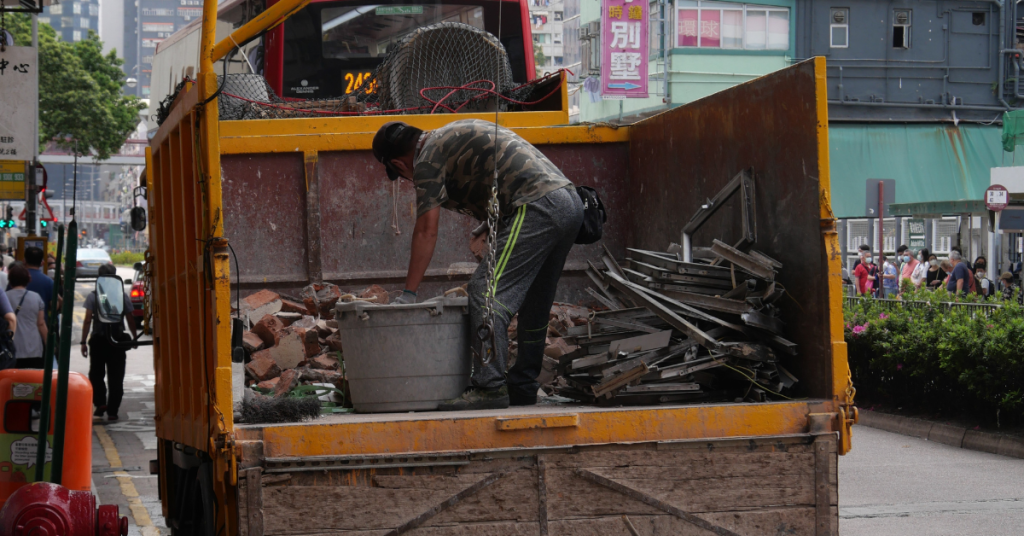
The process begins with a comprehensive site assessment—mapping out the scope, accessing the area, identifying obstacles, and planning the logistics. Knowing exactly where utilities lie, what kind of reinforcement is involved, and what disposal routes are needed makes all the difference. After assessment comes preparation: securing tools, mobilizing equipment, marking the area, and ensuring surrounding landscaping or structures are safeguarded. The demolition then proceeds—whether it’s a driveway, patio, sidewalk or foundation slab—using the right equipment for the size and scale of the job. After breaking the concrete, the removal and haul‑off take place, followed by disposal.
Once the concrete is gone, the final clean‑up stage helps you transition smoothly into your next project phase. The area is cleared of remaining fragments, sharp edges are smoothed away, and the site is made safe for whatever comes next—new paving, garden installations, or construction. This clean exit from the removal phase sets up your property for the next act in your improvement plan.
How Choosing the Right Service Can Impact Quality and Speed
A service provider that brings experience specifically in concrete removal—not just general junk removal—makes a marked difference. They’re equipped with the heavier machines, trained crews, and knowledge to navigate unexpected issues like reinforcement bars or access limitations. Efficiency becomes more than a buzzword: you’re likely to see faster turnaround, fewer disruptions, and a crisper finish when experts handle it.
Then there’s cost transparency. Concrete removal is heavier work than general debris removal and often carries higher disposal fees, so seeing straightforward, upfront pricing avoids unwanted surprises later. When quotes reflect the true scope—including demolition, removal, disposal, and site cleanup—you’re paying once for a job completed, not piece‑by‑piece.
Preparing Your Property for Concrete Removal
Before crews arrive, doing a little prep can save time and reduce costs. Clearing out furniture, plant pots, vehicles and debris from the work zone creates unimpeded access. If any utilities run through or under the slab, marking or notifying the service provider helps avoid unwanted surprises. Protecting surrounding landscaping—even marking delicate shrubs or retaining walls—allows the crew to operate with less risk of collateral damage. Making a clear path for trucks and equipment ensures removal can begin without wait time or setbacks.
Also consider what comes next. Once the concrete is gone, how will the space be used? Whether it’s for paving, planting, or new construction, understanding how the cleared area fits into your vision helps guide how the removal is carried out. If you’ll be grading the ground, installing new drainage, or setting pavers, share those intentions with your removal crew—they can tailor their work accordingly, leaving the space ready for what follows.
Environmental and Regulatory Considerations in Concrete Removal
Concrete may seem waste inert, but its disposal and recycling matter. With growing emphasis on sustainability, many removal services now incorporate recycling of concrete debris—crushing it and reusing it in base layers or other materials rather than purely sending it to landfill. One service states they transport concrete debris to certified recycling facilities, ensuring full compliance with local regulations in Mobile Dump Junk Removal’s area. This means your removal isn’t just freeing space—it’s freeing it responsibly.
Disruption to surrounding property also ties into regulatory and safety standards. When heavy equipment is used—jackhammers, bobcats, etc.—clear planning mitigates damage to underground utilities, prevents debris flying into landscaping, and maintains safe working conditions. Choosing a removal provider that emphasizes licensed, insured operations means you’re protected from liability and compliance risks.
Concrete Removal in Action: From Driveway to Transformation
Picture a cracking driveway that’s become an eyesore. You’ve weighed your options: repair patches or start fresh. By opting for full removal, you clear the old and make room for something new—a sleek concrete alternative, pavers, decorative gravel, or even a green lawn area. The removal process begins with marking off the driveway zone, mobilizing machinery, and breaking up the slabs. Once removed, debris is hauled off, replaced perhaps with graded base material, and the new surface installed.
On commercial properties, removal may involve a worn parking lot or ageing foundation slab. The scale increases, the equipment shifts to heavier loaders and dumpsters, and coordination with business operations becomes essential. A competent provider will execute removal with minimal disruption, often evening or weekend scheduling, and get the area cleaned up so new paving, seal coating or new construction can proceed.
How Removal Prepares You for the Next Phase of Your Project
Once the concrete is gone, the blank canvas you’re left with opens up possibilities. Landscaping can begin undeterred; pavers go in cleanly; drainage systems are laid without retrofitting; new slabs are poured without breaking through old ones. The removal phase becomes the enabler of everything that follows—not the inconvenient obstacle. That new patio you’ve been designing moves from idea to reality.
Additionally, removal improves not just form but function. If the old concrete was cracked, uneven, or poorly drained, the space might have been compromised. By eliminating that burden, you’re creating a stable environment that supports longevity. Future users—your family, guests, renters—won’t suffer from the symptoms that come when the foundation is flawed. With the old slab gone, you gain confidence that what you build sits on fresh ground, literally and figuratively.
Common Pitfalls to Avoid in Concrete Removal
Attempting DIY removal may seem cost‑effective, but it’s often riskier and more expensive in hidden ways. Improper equipment, lack of heavy lifting capacity, chaos in disposal, and regulatory missteps can turn what seemed simple into a protracted headache. Poor planning means vehicles can’t access the site, debris piles up, and neighbouring areas sustain damage. Hidden reinforcement bars may cause jackhammers to stall.
Another common issue is proceeding with new construction without adequately preparing the site after removal. If you remove concrete but leave the ground ungraded, compacted, or prepped for next use, you may invite settlement, drainage problems, or poor adhesion of new materials. Also, not verifying that the removal service hauls debris legally and to certified recycling or disposal facilities can result in non‑compliance. Ensuring your chosen provider has documented procedures for disposal and clean‑up is essential to avoid hidden liabilities.
Making the Call: How to Choose a Concrete Removal Provider
When reaching out to a service provider, start by specifying your location, project size, the type of concrete driveway, patio, slab, walkway, accessibility concerns, and what you intend to do after removal. A good provider will ask questions, schedule an assessment, offer transparent pricing and outline their disposal strategy. For example, a provider based in Ventura CA states they use licensed, insured crews, offer eco‑friendly disposal, and deliver fast, efficient service.
Ask about equipment, timeline, how they protect surrounding areas, and how disposal will be handled. If a provider offers upfront, written estimates and clear scheduling, that’s a strong indicator they’re set up to manage unexpected challenges. Confirm they’re compliant with local regulations—especially if the job requires street permits or sidewalk placement. Providers who emphasize sustainability and recycling are often more thorough overall.
Conclusion
The act of removing old concrete may feel like stepping backward, but in reality it is the crucial move that allows progress to take root. When you engage a professional team skilled in demolition, removal, disposal and cleanup, you free your property from constraints of the past and open the door to what comes next. Whether you’re preparing for landscaping, a new patio, driveway refresh, or commercial renovation, the quality of the removal sets the tone for the entire project. With experienced hands, transparent process and environmental responsibility combined, your space is cleared in a way that supports future growth with minimal disruption and maximum integrity.
If you’re in the Ventura area and ready to take that first step toward transformation, reach out to a provider you can trust. Business name: Mobile Dump Junk Removal Location: Ventura, CA Phone: 805 751‑3744 Email: mobiledumpremoval@gmail.com