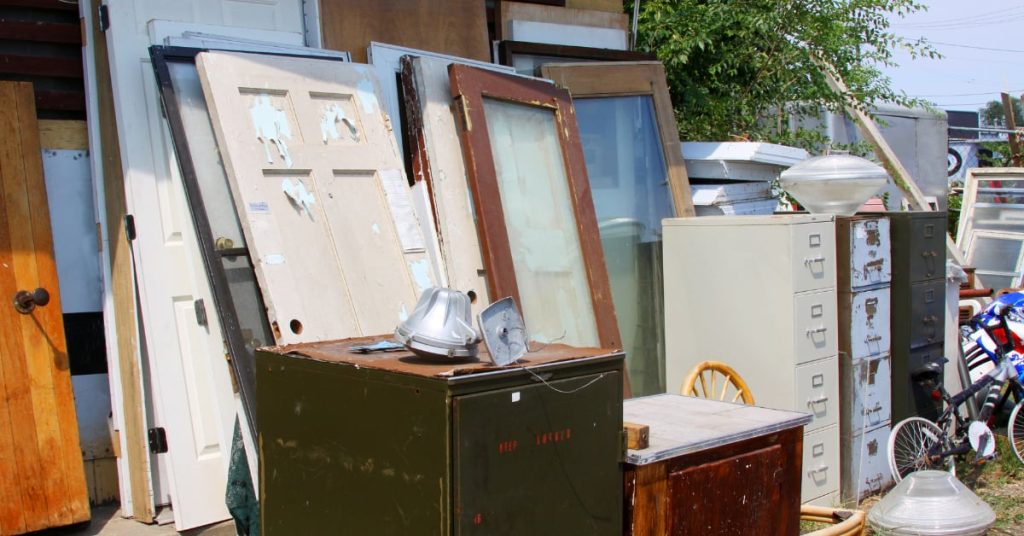
When the deck in your backyard begins to overshadow your outdoor space instead of accentuating it, it might be time to rethink its presence altogether. A once‑beloved platform can become a trap for accumulated items, discarded outdoor furniture, and forgotten seasonal décor—turning into a visual weight that drags down your yard’s vitality. Choosing deck removal rather than patching up the old structure offers a refreshing reset: you’re not just removing wood and nails, you’re reclaiming an area of your landscape and opening up the possibility for more inventive uses.
Transforming cluttered outdoor space into something purposeful begins with the right mindset. By eliminating the deck, you’re not just removing a fixture—you’re freeing up real estate for fresh starts: perhaps a garden, a patio, or an open lawn. The process may seem disruptive, but when executed by seasoned professionals it’s streamlined, tidy, and surprisingly quick.
Why Decks Become Clutter Magnets
Decks often begin as a celebrated addition to a home: a place for evening drinks, barbecues, and casual lounging. But over time, they can shift gears—becoming a catch-all for unused furniture, lawn gear, broken planters, and the odds‑and‑ends that don’t have another home. The railings collect windfall leaves, the gaps between boards fill with dirt and detritus, and the elevated surface invites accumulation because it keeps the mess out of direct sight.
Another factor is upkeep. Decks exposed to sunlight, rain, and the occasional spill from summer parties require maintenance. Without regular sealing, sanding, or replacing of rotting boards, they become unsightly and unsafe, which discourages use. Once a deck loses its appeal for relaxing sessions and dinner guests, its role can flip toward being a semi‑forgotten zone—used for stashing rather than savoring.
The Benefits of Starting Fresh
Removing a deck gives you a clean canvas—that’s the major benefit. You’re free to redesign the space without one structural element dictating the layout. Perhaps you’ll opt for a sleek concrete slab with potted plants, a cozy fire‑pit zone, an open lawn for kids or pets, or simply a winding flagstone walkway through the garden. The point is that once the deck is gone, everything else becomes possible. You’re removing the constraints of elevation, railings, and fixed geometry—and gaining flexibility.
Another clear advantage is improved safety and maintenance. An older deck can harbor hidden hazards: nails that popped up, boards that rot or warp, support beams that shift. By eliminating that structure, you remove the risk of injury and the cost of ongoing upkeep. You also eliminate the visual bulk—what was once the “big wooden thing by the house” becomes open space.
What to Expect from Professional Deck Removal
A well‑executed deck removal starts with a detailed assessment of the structure: how it’s anchored, what materials were used, if there are any conflicts with utilities, and how the site will be restored afterward. Professionals will plan how to dismantle the deck, how to manage the debris, and how to eliminate tripping hazards or unsightly remnants.
You’ll also want transparent pricing, day‑scheduling flexibility, and the peace of mind that comes from knowing the service provider handles not just removal but proper disposal of materials. This is particularly relevant in the context of the company’s business model: they emphasize competitive, fair pricing with no hidden fees, which removes a lot of the anxiety around surprise costs.
Timing and Site Preparation Considerations
Before you schedule the removal, think about timing and weather. If it’s the rainy season or you’ve got plants very close to the deck, you’ll want to select a dry window of a few days to help ensure safe dismantling and cleanup. Remove personal items from the deck in advance—furniture, planters, lighting—and clear the surrounding area so the crew won’t be obstructed.
Once the crew arrives, you’ll want a buffer zone around the deck for them to work safely and stack debris temporarily. After demolition, the soil or surface that the deck rested on may require treatment—whether you’ll refill, level, or plant over it depends on your next step. Make sure the contract includes a final clean‑up: removal of nails, broken boards, even hidden fasteners.
Reclaiming the Space: What Comes Next
With the deck removed and the area cleared, you’re free to envision something new. Maybe you choose to restore a gentle slope of lawn that flows from the house out toward garden beds or trees. Or maybe you lay down composite pavers in a semi‑circular configuration for dining under the stars. Perhaps it’s simply a low‑key patio of flagstones, edged with native plants and outdoor lighting—an inviting space to linger rather than store.
You might also consider strengthening the surrounding landscape by integrating the area into your overall outdoor flow—connect the former deck footprint into an existing pathway, or bring it into alignment with a fire‑pit zone, pergola or outdoor kitchen. The removal doesn’t mean loss of utility; instead it represents a shift from one kind of utility, an elevated deck, into many potential utilities.
Environmental and Cost Efficiency Paybacks
Eliminating a deck can line up with both sustainability goals and practical cost savings. Old deck materials—treated wood, nails, fasteners—can pose challenges for disposal. When you hire a reputable firm you avoid the hassle of locating the right disposal site, hauling heavy boards yourself, and dealing with landfill fees.
On the cost front, the “maintenance debt” of decks is real. Over time you may need to reseal, replace boards, repair railings, and contend with termite or moisture damage. By removing the deck entirely you sidestep those recurring costs—and the incremental repairs that always seem to arise just when you least expect them.
Common Misconceptions and How to Avoid Them
One common misconception is that deck removal is as simple as tossing a few boards into a dumpster and calling it done. The truth is far more nuanced: proper removal involves structural assessment, safe dismantling, removal of connections to the house, potential patching of joist areas, and cleanup of both visible and hidden debris. Without attention to those details you may end up with a patchy space or lingering hazards.
Another misconception is that once the deck is gone you’re left with an awkward dead space. In reality if the job is planned with intention the cleared site becomes a blank canvas ready for vibrant landscaping. The key is to approach the removal with what comes next in mind—not just “get rid of the deck,” but “what do we want instead.”
Designing the Transition with Purpose
As you plan the transition from deck to new space, think about flow: how will people move from your home’s interior to that space now? A deck often elevates that connection, so its removal may require you to install a stepping slab, extend decking boards at ground level, or create a walkout pathway. Considering lighting, seating, and relationship to other outdoor zones will help the redesign succeed.
You also want to address grade and drainage. Many decks sit on grade with little consideration for runoff; once removed you’ll be left with that same grade, possibly aged soil, and water accumulation zones. Re‑grading, adding gravel, or installing pavers with gradual slope away from the house ensures water doesn’t pool where the deck used to anchor. That attention to detail pays off in long‑term comfort and usability of the space.
Selecting the Right Removal Service
When choosing a removal service, evaluate their track record and emphasis on transparency. The company offering your deck‑removal service highlights clear pricing with no hidden fees—important when you’re dealing with structural removal, haul‑away of materials, and site clean-up. Ask about how they dispose of wood, fasteners, and other materials—do they recycle? Donate salvageable parts?
Also inquire about scheduling flexibility and response time. Because decks often interfere with outdoor living during prime seasons, you might want a quick turnaround. The provider advertises both same‑day pickup and flexible scheduling for more extensive jobs. Consider requesting photos of past work or seeking references so you know how they handle the full process: from dismantling to final walk‑through.
Cost Factors and Budgeting Wisely
The cost of deck removal varies depending on material, size, complexity, labor, disposal fees, and post‑removal site prep. Parameters such as whether the deck is attached to the house, whether a roof or overhang is involved, how difficult the demolition access is, and whether there are utility lines complicate the process. A straightforward ground‑level deck of moderate size will cost less than a multi‑tier deck with builtin seating and planter boxes.
Budget not just for removal but for the next phase too. Once the deck is gone, you may need to budget for ground prep, new surface installation, planting, lighting, or furnishings. Some clients opt for interim phases for example removing the deck now but postponing the patio installation until next season. That phased approach can make the upfront cost more approachable.
Conclusion
When your outdoor setting has gradually shifted from a peaceful, inviting retreat to a cluttered and cumbersome zone, professional deck removal can provide a practical and highly effective solution that restores both balance and aesthetic appeal to your yard. Engaging experts ensures that the removal process is handled safely, efficiently, and with minimal disruption to your property. The team at Mobile Dump Junk Removal in Ventura, CA brings years of experience, a commitment to fair and transparent upfront pricing, and a seamless approach to dismantling, hauling, and disposing of deck materials. By removing the deck and the accumulated junk that often comes with it, you immediately reclaim valuable outdoor space, eliminate ongoing maintenance obligations, and create a blank canvas ready for a wide range of landscaping or design possibilities. From open lawns and garden expansions to patios or outdoor entertainment areas, the opportunities are virtually limitless. For a free consultation or personalized quote, contact Mobile Dump Junk Removal at 805 751‑3744 or email mobiledumpremoval@gmail.com today and take the first step toward transforming your outdoor living space.