
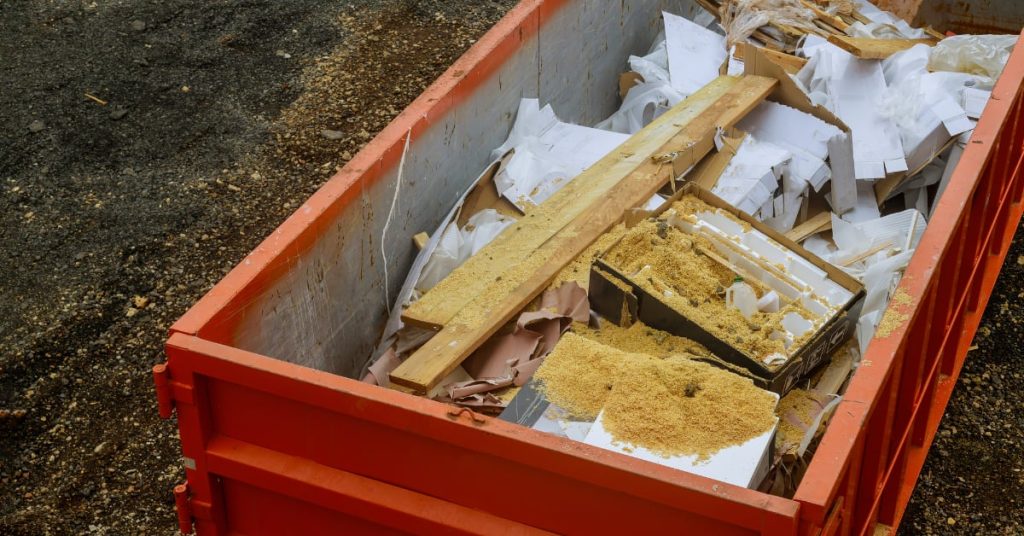
When the hammer falls and the dust settles, demolition debris begins its journey from your property to a controlled, environmentally responsible destination. Every fragment, from concrete slabs and timber beams to drywall and metal scraps, is collected meticulously by a trained crew. They consolidate materials on-site, separate them based on type, and carefully load them into roll-off dumpsters or specialized trucks. The transport phase is just as crucial, involving secure containment, planned routes, and compliance with municipal regulations. Once the debris reaches a disposal or recycling facility, it enters a detailed sorting process where metals, wood, concrete, and other materials are evaluated for their next life. Items that are recyclable are redirected to plants for processing, while unrecoverable materials follow regulated landfill pathways. Each step in this chain ensures accountability, safety, and adherence to local environmental guidelines, turning what might seem like waste into a resource-conscious operation.
The journey of demolition debris extends beyond simple collection and disposal. Salvageable components like doors, windows, and fixtures may be diverted for reuse, adding value to the materials while reducing the overall environmental footprint. The initial assessment by the debris removal company determines which items are viable for repurposing and which must be disposed of safely. Eco-conscious providers optimize the process by consolidating loads, planning efficient transport routes, and minimizing emissions. Sorting at the facility maximizes material recovery, ensuring that reusable debris is directed to new construction, landscaping, or manufacturing projects. This approach not only supports sustainability but also aligns with local regulations and audits. Ultimately, every piece of debris undergoes a managed process, leaving your property cleared and contributing positively to environmental responsibility.
Understanding the Initial Collection and Transport Phase
The first stage of demolition debris removal begins on-site with careful planning and execution. Crews arrive equipped with trucks, dumpsters, and necessary tools to consolidate debris efficiently. The process varies depending on the type and scale of the demolition, whether residential or commercial, and the accessibility of the site. During loading, materials are typically grouped, separating heavy concrete, masonry, wood, and drywall to streamline downstream processing. Transport to the designated facility is handled with security in mind, ensuring loose materials are contained to prevent hazards or violations. Drivers follow planned routes, logging the load and maintaining compliance with local transportation regulations. This initial collection and transport stage establishes accountability, allowing you to track the debris from your property to the facility where it will be sorted and processed.
In transit, debris remains under controlled supervision to prevent environmental contamination or accidents. Secure containment, tarps, and professional handling mitigate risks such as airborne dust or falling materials. Once at the facility, debris is unloaded at tipping floors or designated bays, weighed, and logged. Each step is monitored to guarantee proper tracking and accountability. This stage sets the tone for the rest of the process because responsible transport ensures that materials are not lost, improperly dumped, or mishandled. Selecting a demolition cleanup service that prioritizes safety, documentation, and compliance gives property owners peace of mind, knowing that the removal is professional, organized, and environmentally responsible.
Sorting, Recycling, and Material Recovery
After arrival at the disposal or recycling facility, debris enters a detailed sorting process to identify materials suitable for reuse. Clean concrete may be crushed for aggregate, metals like steel and copper are separated for smelting, and untreated wood can be repurposed as mulch or manufacturing material. Even drywall and plaster can be processed for reuse in new boards or filler products. The goal of sorting is to recover as much material as possible, reducing the volume sent to landfills. By diverting reusable debris from waste streams, demolition projects minimize environmental impact while providing raw materials for other industries. Responsible debris removal companies prioritize this step to maximize recycling and material recovery, turning what was once waste into a valuable resource.
Material recovery also depends on the infrastructure available in the local region. Facilities may specialize in specific materials and require pre-treatment before processing. Clean materials are often sent to new projects, roads, or landscaping, while unrecoverable debris is separated for regulated disposal. Engaging a demolition cleanup service that focuses on sorting and recovery ensures that materials follow a transparent path. The process demonstrates environmental responsibility while complying with local regulations and reducing landfill use. Each decision regarding sorting and recycling represents a conscious effort to create value from what might otherwise be discarded, reflecting a commitment to sustainable construction practices.
Final Disposal and Compliance with Regulations
Not all demolition debris is recoverable. Contaminated materials, treated wood, or hazardous substances require specialized disposal methods. Licensed facilities ensure that waste is managed according to environmental laws, monitoring leachate, air quality, and proper containment. Disposal receipts or manifests document the volume of waste and verify that diversion from landfills was maximized. This documentation protects property owners from potential liability while confirming that the debris was handled responsibly. Choosing a demolition cleanup service that adheres to these protocols ensures that even the waste portion of debris is properly managed, preventing legal or environmental complications.
Proper disposal is also critical for safety and regulatory compliance. Improper handling of hazardous materials like asbestos or chemical-treated items can result in fines or legal repercussions. Professional services identify materials requiring special treatment and provide safe handling solutions. By following the correct disposal pathways, debris is removed without risk to property owners, workers, or the environment. The final disposal stage closes the loop on demolition cleanup, guaranteeing that every piece of material has been processed in a responsible and accountable manner.
The Eco-Friendly Advantage and Why It Matters
Modern demolition cleanup emphasizes sustainability and environmental responsibility. Services that prioritize sorting, recycling, and material recovery help reduce landfill usage, conserve natural resources, and minimize energy consumption. By repurposing concrete, wood, and metal, these services extend the life cycle of materials that would otherwise be discarded. Eco-conscious practices in debris management contribute to reduced carbon emissions and a smaller environmental footprint, aligning projects with contemporary sustainability standards and community expectations. Choosing a provider with a green focus ensures that your demolition project supports long-term environmental stewardship.
Beyond environmental impact, eco-friendly demolition cleanup offers practical advantages. Diverting materials from landfills reduces disposal fees, ensures regulatory compliance, and provides tangible proof of responsible waste management. Projects operating under green standards or sustainability certifications benefit from documentation of material recovery and recycling. Selecting a service that integrates these practices into every stage of debris removal provides both ecological and operational advantages, turning demolition cleanup from a necessary chore into a process that adds value to the project while preserving the planet.
Selecting the Right Debris Removal Service
Choosing a demolition debris removal service requires careful evaluation of experience, equipment, and sustainability practices. Reputable providers assess the type and volume of debris, site accessibility, and potential hazards before offering an estimate. Transparent communication regarding scheduling, logistics, and handling ensures a smooth process. A professional service explains the fate of your debris, detailing how materials will be sorted, recycled, or disposed of, and provides documentation of responsible handling. Selecting a service with licensed facilities and strong environmental practices guarantees accountability, compliance, and efficiency.
Communication and reliability are essential in demolition debris management. Services should provide clear timelines, estimate accuracy, and updates on unforeseen challenges. Experience with heavy materials, hazardous items, and large-scale projects is critical, as these factors significantly affect safety and workflow. Providers who focus on material recovery and eco-friendly practices not only remove debris but contribute positively to environmental outcomes. By evaluating these criteria, property owners can engage a partner that manages debris professionally, safeguards the site, and ensures that demolition cleanup supports project objectives.
The Aftermath: What It Means for You and Your Property
Once debris is removed, your property is cleared, creating a safe, organized space ready for the next phase. Removal of rubble allows contractors to work efficiently, inspections to proceed without interruption, and future hazards from buried debris to be eliminated. Responsible handling of demolition materials also protects property owners from legal liabilities associated with improper disposal or contamination. The benefits extend beyond aesthetics, contributing to the overall safety, functionality, and sustainability of the property.
A cleared site improves project planning, reduces costs associated with delays, and creates a safer environment for workers and visitors. With debris managed responsibly, property owners can proceed confidently with construction, landscaping, or renovation projects. Proper cleanup ensures compliance with local regulations, aligns with sustainability goals, and demonstrates a commitment to environmental responsibility. The aftermath of demolition cleanup is more than a clean site—it is a foundation for safe, efficient, and sustainable project completion.
Conclusion
Partnering with Mobile Dump Junk Removal in Ventura, CA means entrusting your demolition cleanup to a team that values professionalism, efficiency, and environmental responsibility at every stage of the process. From the very beginning, the team conducts a thorough assessment of your property, evaluating the type and volume of debris, any potential hazards, and the logistical requirements to ensure a seamless cleanup. Scheduling is coordinated around your project timeline, so there are no delays or disruptions to your construction, renovation, or landscaping plans. Once on-site, the crew carefully collects and sorts debris, separating materials that can be recycled or repurposed from those that require proper disposal. This attention to detail ensures that your property is left safe, clean, and ready for the next phase of your project.
Mobile Dump Junk Removal places a strong emphasis on eco-friendly practices, minimizing landfill use and maximizing recycling whenever possible. Metals, wood, concrete, and other materials are handled responsibly to reduce environmental impact. By choosing their services, you can be confident that your demolition debris is managed efficiently, safely, and sustainably. For dependable, thorough, and environmentally conscious demolition cleanup, call 805 751‑3744 or email mobiledumpremoval@gmail.com to schedule your service today.