
Removing a playset from your yard is far more than just a simple task of taking it apart. These structures, often custom-built and firmly anchored, present unique challenges that require careful planning, the right tools, and a strategic approach. Whether the playset has been weathered by years of sun and rain, or has simply outgrown your family’s needs, attempting to dismantle it without proper preparation can lead to injury, damage to your property, or frustration from unexpected complications.
Beyond the physical challenges, there is also the question of disposal—figuring out which materials can be reused, recycled, or need to be discarded responsibly. Playset removal is not just about clearing space; it is about doing so safely, efficiently, and with foresight to preserve your yard’s functionality. By understanding the steps, techniques, and considerations involved, homeowners can approach playset removal with confidence, turning what seems like a daunting chore into a smooth and manageable project.
Understanding the Scope of Playset Removal
Removing a playset might seem like a straightforward task, but anyone who has faced the reality of disassembling weathered wood, tangled ropes, or rusted metal will attest that careful planning is essential. Playsets are often custom-installed and anchored firmly into the ground, making hasty efforts risky and inefficient. Beyond the basic dismantling, there’s also the task of identifying which components are reusable, recyclable, or destined for disposal. Misjudging the complexity can lead to injury or property damage..
The environment in which a playset sits can greatly influence the removal strategy. Soil type, slope, and landscaping features may complicate access or necessitate specialized equipment. Trees, fences, or garden beds can become obstacles that demand a tailored approach, with protective measures to prevent accidental damage. Seasonal factors also play a role; wet or frozen ground can make lifting and moving large wooden frames precarious. Evaluating these conditions beforehand allows for better allocation of time and resources. Additionally, determining the end-of-life options for materials, such as donating usable components or repurposing lumber, aligns the removal process with eco-conscious practices. A well-informed approach ensures the playset comes down smoothly, setting the stage for a cleaner, safer outdoor space.
Tools and Techniques for Safe Dismantling
Efficient playset removal is heavily influenced by the choice of tools. Wrenches, socket sets, pry bars, and power drills are commonly required to loosen bolts, screws, and brackets. Larger components may necessitate lifting equipment or dollies to prevent injury when moving heavy beams. Understanding which tools to employ at different stages of the process reduces frustration and the risk of damage. Safety gear, including gloves, goggles, and durable footwear, is essential to prevent accidents, especially when dealing with rusted nails or splintered wood.
In addition to basic tools, technique plays a crucial role in preserving usable materials. Disassembling in reverse order of assembly can prevent unnecessary breakage and keep bolts, screws, and fittings intact. For playsets with modular components, careful labeling and organized stacking of parts can make future reuse or donation feasible. Applying gentle force and leveraging mechanical advantage reduces strain on the body and prevents accidental splitting of wooden components..
Handling Hazardous or Stubborn Components
Old playsets often harbor hidden hazards. Rusted metal, splintered wood, and moldy areas require careful attention to prevent injury. Removing components with compromised integrity demands a delicate balance of caution and force. In some cases, specialized cutting tools may be needed to safely detach stubborn parts, especially when bolts are rusted or wood has warped over time. Ignoring these hazards can result in injury, property damage, or even prolonged delays in completing the removal. Understanding the nature of each material and anticipating potential challenges is essential for a safe, smooth dismantling experience. Proper disposal methods for treated wood and other potentially harmful elements are equally important to minimize environmental impact.
Heavy or awkwardly placed parts can pose additional challenges. Anchors driven deep into the ground or reinforced supports may resist simple extraction, requiring mechanical leverage or sectional cutting. Choosing the wrong approach can damage surrounding landscaping or create unsafe conditions. When confronted with particularly difficult components, patience and methodical techniques are preferable to brute force. Safety measures such as stabilizing the structure and using team assistance can prevent accidents. Knowing how to address these stubborn or hazardous elements is not just about efficiency but about protecting yourself, your property, and others involved in the process.
Efficient Disposal and Recycling Strategies
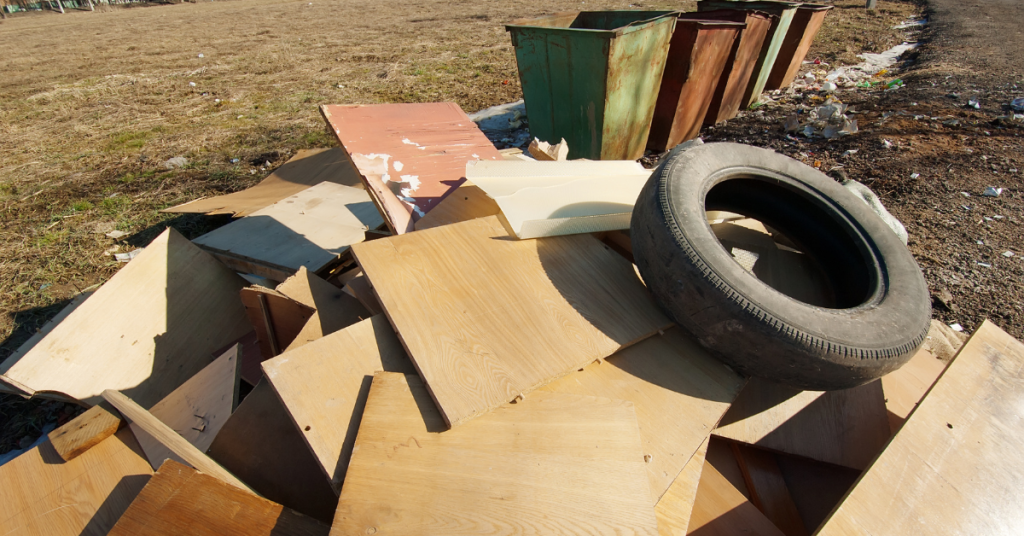
Once the playset is dismantled, the next challenge is deciding what to do with the removed materials. Simply dumping everything into a trash heap is not only inefficient but environmentally irresponsible. Wood and metal can often be repurposed, donated, or recycled, while plastic components may require specific recycling channels. Sorting the materials early during the dismantling process simplifies disposal and reduces the volume of waste that ends up in landfills.
Effective disposal also requires logistical planning. Large sections of wood, heavy metal frames, and compacted soil must be transported in a way that avoids overloading vehicles or causing damage to driveways and streets. Scheduling pickups or hiring a professional junk removal service can streamline this process, ensuring that all debris is removed safely and in compliance with local regulations. By integrating thoughtful recycling, careful handling, and organized transportation, homeowners can complete the playset removal process with minimal stress, maximizing efficiency while maintaining an environmentally responsible approach.
Hiring Professional Help: When It’s Worth It
Some playset removals are manageable for homeowners, but certain situations call for professional intervention. Large, multi-level structures or playsets constructed with heavy materials may be too cumbersome for casual dismantling. Professionals bring expertise, manpower, and equipment that ensure safety and efficiency, mitigating the risks of injury or property damage. They also have experience navigating disposal regulations, making the removal process smoother and less stressful for the homeowner. Knowing when to call in help can save time and prevent frustration, allowing the outdoor space to be reclaimed quickly and safely.
Professional services often include complete cleanup and hauling of debris, which removes the logistical burden from homeowners. Experienced teams can also advise on which parts of the playset can be salvaged or recycled, enhancing sustainability and cost-effectiveness. The convenience of hiring experts extends beyond physical labor; it encompasses planning, execution, and environmentally conscious disposal. By investing in professional assistance for particularly challenging removals, homeowners ensure the process is conducted safely, efficiently, and responsibly, leaving their yard ready for new projects or open space for play.
Preparing the Site for Future Use
Once the playset is gone, the yard may still need preparation for its next purpose. Holes from anchors, uneven terrain, or leftover debris can pose hazards or impede landscaping projects. Filling holes, leveling the ground, and removing smaller fragments ensures a safe, clean area ready for new installations or recreational use. This step is often overlooked but is essential to fully reclaim the space. Attention to these details contributes to a polished, usable outdoor environment and prevents lingering hazards that could cause injuries or limit the potential of the yard.
Preparation for future use also involves soil treatment and landscaping adjustments. Compacted areas may require aeration, and removed sections of turf may need reseeding. Considering drainage, sun exposure, and layout during this stage ensures that the area is optimized for whatever comes next, whether it’s a garden, seating area, or a new playset. Taking the time to properly restore and enhance the yard transforms a removal project into an opportunity to improve outdoor functionality and aesthetics. The result is not just a cleared space, but a foundation for future enjoyment and design flexibility.
Assessing Playset Condition Before Removal
Before beginning any removal process, assessing the condition of your playset is essential. Older structures may have weakened joints, rotting wood, rusted metal, or warped plastic components that could break unexpectedly during disassembly. By carefully inspecting the playset, you can determine which parts are safe to handle, which require extra caution, and which should be discarded. Taking photographs and notes can help map out the removal sequence, ensuring nothing is overlooked. Understanding the structural integrity of each section helps prevent accidents, reduces the likelihood of property damage, and ensures that valuable or reusable components remain intact.
Inspection also allows homeowners to plan for environmental factors. For example, if the playset has been exposed to harsh weather, surfaces may be slippery or unstable. Ground conditions, such as uneven soil or hidden roots, can complicate the removal process. By taking the time to evaluate the playset and its surrounding area, homeowners gain insight into the tools, manpower, and techniques required. A thorough assessment ensures a safe and efficient removal, paving the way for a smooth process that protects both the property and those handling the dismantling.
Conclusion
Playset removal is a multifaceted process that demands careful planning, proper tools, safety precautions, and attention to environmental impact. From understanding the structure and terrain to employing safe dismantling techniques, homeowners benefit from approaching the project methodically. Managing hazardous components, organizing disposal, and preparing the yard for future use are all critical steps that contribute to a seamless and responsible removal experience. In cases of large or complex playsets, seeking professional assistance can save time, prevent injuries, and ensure that materials are disposed of or recycled appropriately.
For those in Ventura, CA, Mobile Dump Junk Removal offers reliable and efficient playset removal services. With expertise in handling various materials, safe dismantling practices, and eco-conscious disposal, their team simplifies the process for homeowners. They provide transparent pricing, timely scheduling, and complete cleanup, allowing you to reclaim your yard with minimal stress. To schedule a playset removal, call 805 751‑3744 or email mobiledumpremoval@gmail.com and let professionals handle the heavy lifting while you focus on planning your next outdoor project.