
Every home improvement project begins with a vision—a space reimagined, renewed, and ready for transformation. Yet before the new can take shape, the old must be carefully and strategically removed. Among the most overlooked yet vital parts of this process is concrete removal. Whether it’s an outdated patio, cracked driveway, or uneven foundation slab, the removal of concrete lays the groundwork for everything that follows. Without a proper start, even the best renovation plans can crumble under hidden issues left behind by damaged or improperly removed material.
Concrete removal is more than just breaking apart hard surfaces; it’s about precision, safety, and preparation. For homeowners, this crucial first step ensures that future construction, landscaping, or renovation projects can proceed without interference from underlying structural problems. By addressing the concrete first, you’re not just clearing space—you’re creating a solid foundation for what’s next, both literally and figuratively.
Understanding the Purpose of Concrete Removal
Concrete removal isn’t merely about aesthetics or eliminating something old. It’s a calculated move that ensures your property remains safe, functional, and ready for progress. When surfaces become uneven, cracked, or deteriorated, they not only detract from your home’s appeal but can also pose serious hazards. Uneven slabs may create tripping risks, and crumbling surfaces can compromise nearby structures, including foundations and retaining walls.
Furthermore, understanding the deeper purpose of concrete removal helps homeowners see it as an investment rather than an expense. Once the old material is removed, you gain the opportunity to assess what lies beneath—soil conditions, drainage issues, or structural weaknesses that may have been hidden for years.
The Role of Concrete in Home Structures
Concrete plays a silent but powerful role in home construction. It supports driveways, walkways, patios, garage floors, and even portions of foundations. However, despite its strength, concrete is not invincible. Time, weather, and environmental conditions slowly erode its integrity. The freeze-thaw cycle, heavy loads, and improper installation can all contribute to cracks and instability.
For homeowners, understanding this natural degradation is essential. Once concrete begins to break down, its ability to perform diminishes quickly. By choosing removal early, you prevent further damage from spreading. This proactive approach not only maintains the property’s aesthetic appeal but also ensures that your home’s structural elements remain protected.
When to Consider Concrete Removal
Knowing when to act is often the hardest decision for homeowners. Many hope to patch or resurface damaged concrete, but sometimes the problems run deeper than surface cracks. When you notice consistent crumbling, severe unevenness, pooling water, or recurring foundation issues, these are strong signs that removal may be the best course of action. Ignoring these signals can lead to more significant structural headaches in the future.
Concrete removal becomes essential when renovation or landscaping plans require a fresh start. Whether you’re installing a new driveway, redesigning your backyard, or upgrading drainage systems, starting with a clean slate prevents conflicts between old and new materials. It ensures long-term stability, enhances property value, and sets the stage for a successful renovation. Timely action is key—delaying removal only increases repair costs and safety risks over time.
The Process Behind Professional Concrete Removal
At first glance, concrete removal may appear simple: break it apart, haul it away, and clear the site. In reality, it requires precision, proper equipment, and expertise. Professionals begin by assessing the type, thickness, and condition of the concrete. They determine the safest approach for cutting and breaking, whether through mechanical saws, jackhammers, or hydraulic machinery. Each method depends on the structure’s layout and accessibility.
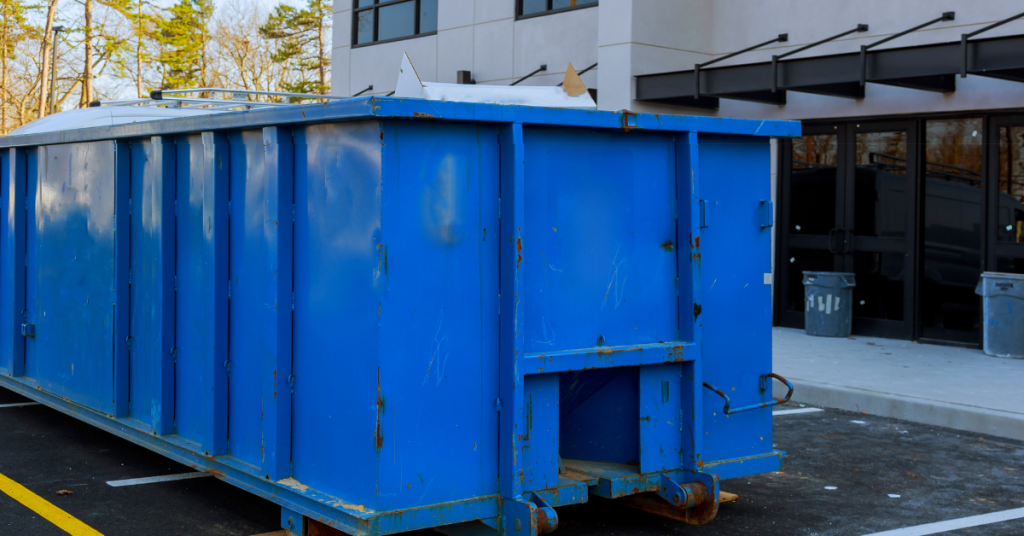
After the concrete is fragmented, the debris is carefully cleared and prepared for recycling or disposal. This meticulous process ensures minimal disturbance to surrounding areas, reducing dust, noise, and vibration. Professionals take care to protect nearby landscaping, plumbing, and foundations. It’s this combination of skill and caution that separates professional removal from DIY attempts. The process is both an art and a science, blending efficiency with care for the property’s long-term condition.
Safety Considerations During Removal
Concrete removal poses significant safety challenges if not handled properly. The combination of heavy materials, sharp fragments, and powerful tools makes it a high-risk task for untrained individuals. Professional crews understand how to manage these dangers by using the right protective gear, machinery, and removal strategies. They follow strict safety protocols to prevent injuries, property damage, and environmental contamination.
Homeowners often underestimate how hazardous this work can be. Flying debris, unstable surfaces, and dust inhalation can lead to serious accidents. Professionals mitigate these risks with proper planning—isolating work zones, using dust suppression systems, and ensuring debris is removed efficiently. When safety takes precedence, the project proceeds smoothly, and the results are not only cleaner but also more durable. A safe job is always a successful job, especially when it comes to concrete removal.
Environmental Impact and Responsible Disposal
One of the most critical aspects of concrete removal lies in what happens after the breaking stops. Concrete debris can quickly pile up, creating massive amounts of waste if not properly managed. However, responsible disposal methods can transform what seems like waste into valuable material. Recycled concrete can be crushed and reused for road bases, fill material, or other construction applications, significantly reducing environmental strain.
By choosing professionals who prioritize eco-conscious disposal, homeowners contribute to sustainable construction practices. This approach keeps recyclable materials out of landfills and reduces the carbon footprint associated with new concrete production. Responsible removal isn’t just about clearing space—it’s about making a conscious decision to preserve resources for future generations. In an age where sustainability matters more than ever, how you remove and dispose of old concrete speaks volumes about your commitment to responsible homeownership.
The Hidden Costs of Ignoring Concrete Issues
Delaying concrete removal can have long-lasting and expensive consequences. Cracked or sunken slabs can redirect water flow toward foundations, causing erosion or moisture intrusion. Over time, this can lead to mold growth, basement flooding, or structural instability. What starts as a small crack can escalate into a major repair costing thousands of dollars. Ignoring the issue also affects your property’s value and overall curb appeal, deterring potential buyers if you ever decide to sell.
Beyond the financial toll, unresolved concrete problems create safety hazards that can’t be ignored. Tripping risks, uneven pathways, and weakened driveways all contribute to potential accidents. By addressing these issues early, you’re not only protecting your property but also ensuring the safety of everyone who steps onto it. Concrete removal may seem like an inconvenience now, but it’s a preventive measure that saves both money and peace of mind later.
Preparing for Renovations and Upgrades
Every home renovation begins with preparation, and concrete removal often sits at the top of that checklist. Whether you’re installing a new pool deck, laying modern pavers, or redesigning a driveway, clearing away damaged concrete provides the blank canvas needed for quality craftsmanship. Without a clean surface, new materials may not adhere correctly, resulting in uneven finishes and premature wear.
Preparing your property through removal also ensures that contractors can assess the true condition of your site. Hidden cracks, drainage issues, and unstable ground can all be identified once the old concrete is gone. This foresight allows builders to make the necessary corrections before construction begins. In essence, concrete removal isn’t just about elimination—it’s about revelation. It exposes what lies beneath, enabling you to build with confidence and precision.
Professional Versus DIY Concrete Removal
Homeowners often debate whether to handle concrete removal on their own or hire professionals. While do-it-yourself methods might seem economical, the physical demands and technical complexities often outweigh the perceived savings. Concrete is dense, heavy, and stubborn. Without proper equipment, the process can be exhausting, dangerous, and time-consuming. Even small projects can generate more debris than anticipated, making transportation and disposal another major hurdle.
Professional removal, on the other hand, guarantees efficiency and safety. Experts bring specialized tools, years of experience, and the ability to anticipate complications before they arise. They ensure that the surrounding property remains undamaged and the site is ready for whatever comes next. Choosing professionals isn’t about spending more—it’s about achieving better results faster and with less stress. When time, precision, and safety matter, expertise always pays off.
How Concrete Removal Boosts Property Value
A well-maintained property stands as a reflection of care and foresight. Removing damaged or outdated concrete dramatically improves a home’s overall appearance and market value. Potential buyers notice when a driveway, walkway, or patio looks fresh and level. It signals that the homeowner has invested in upkeep and paid attention to the foundation of the property. Beyond aesthetics, functional improvements—like better drainage and stable surfaces—enhance usability and safety.
Moreover, new buyers appreciate the opportunity to customize spaces without inheriting underlying problems. When old concrete is removed, it provides a clean start for landscaping, new outdoor structures, or upgraded materials. This flexibility can translate into a higher resale price and quicker marketability. In real estate, first impressions matter. A simple act like concrete removal can be the difference between a home that feels neglected and one that feels ready for a new chapter.
Conclusion
Concrete removal is far more than a demolition task—it’s the cornerstone of responsible homeownership and lasting renovation success. By taking the time to clear away weakened, outdated, or unsafe surfaces, homeowners create the foundation for improvement, safety, and sustainability. Every strong project begins with a clean slate, and that process starts here—with careful removal and responsible preparation.
If you’re ready to begin your own transformation, consider reaching out to Mobile Dump Junk Removal in Ventura, CA. Their team specializes in safe, efficient, and eco-conscious concrete removal that sets your property up for success. You can contact them at 805 751-3744 or email mobiledumpremoval@gmail.com to schedule your service and take the first solid step toward your home’s next chapter.