
Planning demolition cleanup is a strategic decision, not a last-minute task. The process involves assessing the type and volume of debris, coordinating with crews, and ensuring that safety and environmental considerations are met. A well-timed cleanup can reduce costs, prevent accidents, and streamline your overall project. Many property owners underestimate the impact of debris accumulation on workflow, accessibility, and safety. By planning ahead, you can avoid logistical headaches and ensure that your property remains organized and safe.
Timing also allows you to synchronize cleanup with construction or renovation work. Rather than treating cleanup as an afterthought, proactive planning integrates it seamlessly into the project timeline. This ensures that materials are removed efficiently, recyclable debris is handled responsibly, and the property is prepared for its next stage. Proper timing sets the foundation for a smooth, safe, and efficient demolition process from start to finish.
Assessing Project Scope Before Scheduling Cleanup
The complexity and size of a demolition project dictate the timing of cleanup services. Small interior projects require less preparation and fewer resources, whereas full-scale demolition generates substantial debris that demands professional handling. Different materials—wood, concrete, metal, or hazardous waste—each require specific disposal methods. Recognizing the scope in advance helps you schedule services appropriately, ensuring that cleanup crews are equipped and ready to manage all types of waste effectively.
Scheduling too early or too late can lead to inefficiencies and potential safety hazards. A premature cleanup may interfere with ongoing demolition, while a delayed one increases clutter and risk. Careful assessment of project scope allows for proper planning of labor, equipment, and disposal strategies. This ensures a smooth, cost-effective cleanup that minimizes delays, hazards, and frustration while keeping the property organized throughout the demolition process.
Weather and Seasonal Considerations
Weather can significantly influence the efficiency and safety of demolition cleanup. Heavy rain, snow, or extreme heat can slow down debris removal, complicate transportation, and create hazardous conditions on-site. For instance, wet debris becomes slippery, and frozen materials may be more difficult to handle. Seasonality also affects availability, as cleanup services are in higher demand during spring and summer, potentially limiting scheduling options and driving up costs.
By planning cleanup around favorable weather conditions, you allow crews to work efficiently without interruption. Flexibility in scheduling ensures that equipment is prepared for any environmental challenges. Proper timing reduces delays, improves safety, and guarantees a more predictable cleanup process. Considering seasonal factors ultimately enhances the efficiency, cost-effectiveness, and overall success of the demolition project.
Coordinating With Contractors and Renovation Teams
Demolition cleanup is most effective when integrated into the overall project plan. Coordination with contractors ensures debris removal occurs as soon as demolition work is complete, preventing clutter from hindering ongoing construction. Communicating with renovation teams helps cleanup crews identify sensitive areas, structural hazards, or materials requiring special handling. This collaboration ensures the property remains safe and accessible at all stages.
Efficient coordination reduces downtime and keeps the project on schedule. It allows contractors to focus on construction tasks without worrying about debris management. By aligning schedules, cleanup teams can arrive precisely when needed, optimizing labor efficiency and maintaining organization. Strategic coordination ensures a seamless workflow, enhances safety, and provides peace of mind that demolition cleanup will not disrupt ongoing activities.
Budgeting and Cost Considerations
Timing impacts the overall cost of demolition cleanup services. Early planning allows property owners to compare service options, request multiple quotes, and budget accurately. Emergency or last-minute cleanup services often come at a premium, so proactive scheduling is financially advantageous. Additionally, early planning opens opportunities for cost-saving measures, such as recycling materials or repurposing certain debris.
Careful budgeting also ensures efficient allocation of resources. By planning ahead, you can determine the proper number of laborers, equipment, and transportation methods required. Avoiding rushed or unplanned cleanup prevents unnecessary expenses, such as extended labor hours or repeated debris removal. Aligning budget planning with optimal timing keeps the project on track, maximizes value, and ensures financial predictability throughout the demolition process.
Safety and Regulatory Compliance
Safety is one of the most critical considerations when planning demolition cleanup, and timing plays a key role in mitigating potential hazards. Debris left unattended can create a range of risks, from tripping and falling to injuries caused by sharp, heavy, or unstable materials. Hazardous substances such as asbestos, lead-based paint, or chemical residues pose additional dangers if not handled properly. Local building codes and environmental regulations often mandate specific timeframes for debris removal, and failure to comply can result in fines, project delays, or legal complications. Strategically scheduling cleanup ensures that debris is managed safely and efficiently, keeping the site organized while reducing the likelihood of accidents and environmental contamination.
Professional demolition cleanup services are well-versed in these regulatory and safety requirements. They can develop a precise cleanup schedule that aligns with both project timelines and local compliance standards. Experienced crews understand the proper handling, sorting, and disposal of hazardous materials, minimizing risks to workers and the surrounding community. Timely and well-planned cleanup also protects structural integrity, prevents damage to adjacent properties, and maintains a controlled work environment.
Environmental and Sustainability Factors
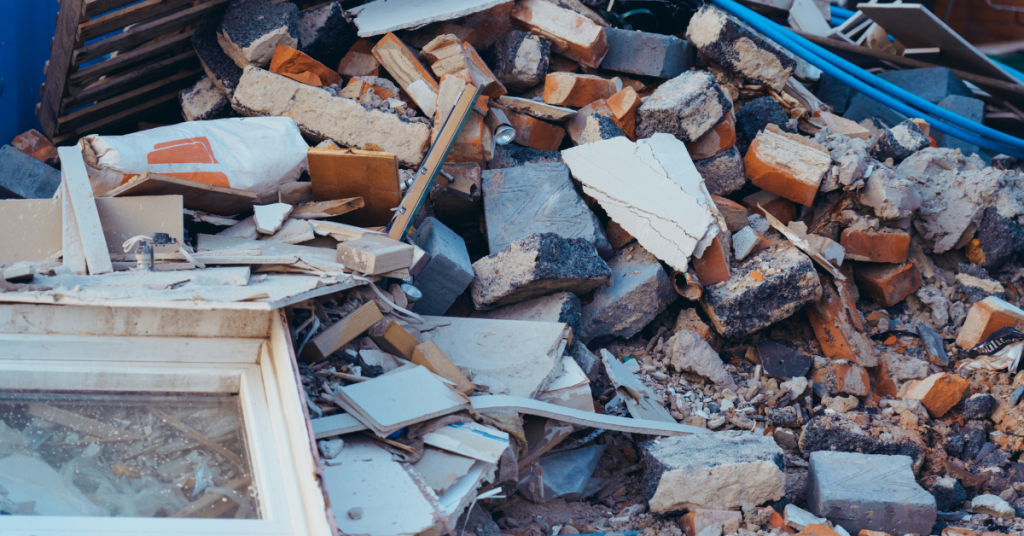
Demolition cleanup can be much more environmentally responsible when planned and scheduled strategically. Proper timing allows cleanup crews to handle debris systematically, separating recyclables such as metal, concrete, wood, and other reusable materials before they are contaminated or damaged. When cleanup is delayed, materials can become mixed, broken, or exposed to the elements, which reduces their potential for recycling and increases the amount of waste sent to landfills. Strategically scheduled cleanup also ensures that hazardous materials, including paints, solvents, or treated wood, are identified and disposed of safely in compliance with environmental regulations.
Sustainable cleanup practices bring long-term benefits beyond environmental responsibility. Recycled debris can be repurposed for future projects, providing cost savings while conserving natural resources. Timely cleanup allows crews to implement eco-friendly protocols without rushing, ensuring proper sorting, storage, and disposal of all materials. Integrating environmental considerations into your scheduling demonstrates a commitment to sustainability while maintaining efficiency and project timelines. By planning cleanup with both the environment and operational efficiency in mind, property owners create safer, cleaner, and more responsible demolition projects that align with modern construction and renovation standards.
Preparing the Site for Future Use
Proper timing in demolition cleanup is essential to ensure that a property is ready for its next phase, whether that involves construction, landscaping, or preparing the site for sale. Conducting cleanup promptly removes debris that could obstruct ongoing or upcoming projects, allowing workers and contractors to access the site freely and work more efficiently. An organized, debris-free environment reduces the risk of accidents, such as trips, falls, or injuries from sharp or unstable materials, creating a safer workspace for everyone involved. Early cleanup also prevents clutter from accumulating, which can interfere with measurements, equipment placement, or staging areas necessary for subsequent work.
Timely cleanup is equally important for protecting the property itself and safeguarding investments. Efficient removal of demolition waste minimizes the chance of damage to surrounding structures, landscaping, or soil integrity, preserving the site for its intended use. It allows for precise planning of the next steps, reducing project delays and unexpected expenses. Aligning cleanup timing with future site use ensures a smooth transition between demolition and construction or renovation activities. Property owners benefit from a safer, cleaner, and more organized environment that supports project efficiency, maintains property value, and provides a solid foundation for whatever comes next.
Choosing the Right Cleanup Service Provider
Selecting a professional demolition cleanup service is one of the most important decisions you can make when planning your project. Experienced providers bring more than just manpower—they offer specialized equipment, trained personnel, and an in-depth understanding of safety and regulatory requirements. This expertise ensures that debris removal is handled efficiently, on schedule, and in compliance with local laws. A skilled cleanup service can also anticipate potential complications, such as handling hazardous materials, navigating limited access areas, or managing large volumes of construction waste, which helps prevent delays and protects both the property and those working on it. Early consultation with a professional team allows you to create a clear, realistic timeline for cleanup, ensuring that each phase of your demolition or renovation project proceeds smoothly and without unnecessary interruptions.
Beyond technical capabilities, a reliable cleanup service acts as a collaborative partner throughout your project. They can provide guidance on sustainable disposal options, including recycling and repurposing materials, helping you minimize environmental impact while reducing costs. Their experience in coordinating with contractors, landscapers, and construction crews ensures that debris removal complements ongoing work rather than obstructing it. By selecting a professional provider who understands your project’s scale and requirements, you gain peace of mind knowing that cleanup will be handled safely, responsibly, and efficiently. This not only reduces stress but also ensures that your property remains organized, hazard-free, and ready for the next stage of development.
Conclusion
The timing of demolition cleanup services is a crucial factor that impacts safety, efficiency, cost, and environmental responsibility. By assessing the project scope, coordinating with contractors, considering seasonal conditions, and planning budgets, you can ensure that cleanup is seamless and effective. Early planning prevents delays, reduces risks, and maximizes the potential for responsible waste management, making the overall demolition or renovation experience far more manageable. Strategic timing allows you to focus on the core construction or remodeling work while maintaining a safe, organized, and compliant site throughout the project.
For professional demolition cleanup services that prioritize timing, efficiency, and responsible disposal, Mobile Dump Junk Removal in Ventura, CA is an excellent choice. You can reach their team at 805 751‑3744 or via email at mobiledumpremoval@gmail.com to schedule services or discuss project needs. Their expertise ensures your demolition cleanup is handled thoroughly, safely, and on your preferred schedule.