
Flooring removal is a critical step in any home renovation or commercial remodeling project, yet it is often underestimated in terms of complexity and effort. The process involves more than simply lifting old materials off the floor; it requires careful planning, the right tools, and an understanding of the unique characteristics of each flooring type. From hardwood and laminate to tile, vinyl, and carpet, every surface presents its own set of challenges, whether it’s stubborn adhesives, nails, or the risk of damage to the underlying subfloor.
Improper removal can lead to costly repairs, wasted materials, and unnecessary delays in project timelines. In addition to the physical demands, flooring removal generates substantial debris that must be handled responsibly, taking into account environmental regulations and safety standards. Proper preparation, efficient techniques, and thoughtful disposal practices are essential for achieving a clean, safe, and smooth transition to the next stage of any renovation or remodeling effort.
Understanding Flooring Materials and Their Challenges
Flooring removal is not a one-size-fits-all process, as each material presents its own set of challenges. Hardwood floors, for instance, are dense and require careful prying to avoid splintering or damaging the subfloor beneath. Laminate and vinyl surfaces, while lighter, often come with adhesives that cling stubbornly, demanding both patience and the right tools to loosen. Carpet removal is perhaps the most labor-intensive, particularly when tack strips and staples hold the edges in place. Tile, on the other hand, introduces the additional risk of shattering, requiring protective measures to prevent injury and preserve nearby surfaces. Understanding these unique traits of each flooring type is crucial for a safe, efficient, and cost-effective removal.
Proper planning extends beyond just materials, as environmental and safety considerations play a vital role in flooring removal. Many older flooring products, especially tiles installed decades ago, may contain asbestos or other hazardous substances that require specialized handling. Failing to address these risks can result in serious health consequences or legal liabilities. Even modern materials, while safer, still produce significant dust, debris, and waste during removal, which necessitates protective gear and containment strategies. By thoroughly evaluating the material, age, and installation method of the flooring, homeowners and contractors can develop an effective plan that mitigates risks and avoids costly mistakes.
Tools and Techniques for Efficient Flooring Removal
The success of any flooring removal project hinges on using the right tools paired with the proper techniques. For hardwood floors, crowbars, pry bars, and floor scrapers allow for controlled lifting and separation from the subfloor, while minimizing splintering or surface damage. Vinyl and laminate floors often require heat guns or chemical adhesive removers to loosen stubborn glue, allowing the material to peel away more efficiently. Carpet removal demands precision cutting along edges, careful removal of staples, and rolling sections for disposal. Tiles require chisels, hammers, and occasionally specialized rotary tools to break apart stubborn ceramic or porcelain slabs safely. Utilizing these tools effectively reduces manual labor, speeds up the removal process, and helps preserve surfaces that will remain intact or be repurposed.
Equally important is the technique applied during removal, as improper methods can lengthen timelines and increase costs. For instance, attempting to lift hardwood planks in large sections without first loosening nails or screws can result in splintered boards and subfloor damage. Similarly, pulling up vinyl without softening adhesives may tear the material unevenly, creating a mess that complicates disposal. Tile removal is most efficient when tiles are broken into manageable pieces, and debris is cleared progressively to maintain workspace safety. Employing measured, deliberate techniques ensures that each step is executed efficiently, reducing both physical strain and potential repair needs.
Preparing the Space for Safe Flooring Removal
Before the first plank or tile is lifted, a well-prepared space is essential to safeguard both workers and property. This begins with clearing furniture, rugs, and any personal items that could obstruct the workflow. Covering exposed surfaces such as cabinets, baseboards, and walls with protective sheets prevents scratches and dust damage. Proper ventilation is also critical, particularly in spaces with adhesives or dust-prone materials, to minimize respiratory hazards. Electrical outlets and appliances near the flooring area should be disconnected or moved to avoid accidents. Establishing designated disposal areas for debris and waste early in the process further enhances efficiency, allowing removed materials to be managed without cluttering the workspace or creating tripping hazards.
Equally important is creating a clear removal strategy before work begins. This involves identifying the sequence in which materials will be lifted, broken down, and transported for disposal. Staging tools and protective equipment in easily accessible locations reduces unnecessary movement and allows workers to operate efficiently. For multi-room projects, planning the removal order can prevent cross-contamination of dust and debris between spaces. Adequate lighting and signage for safety warnings are critical for any household or commercial setting.
Managing Waste and Disposal Responsibly
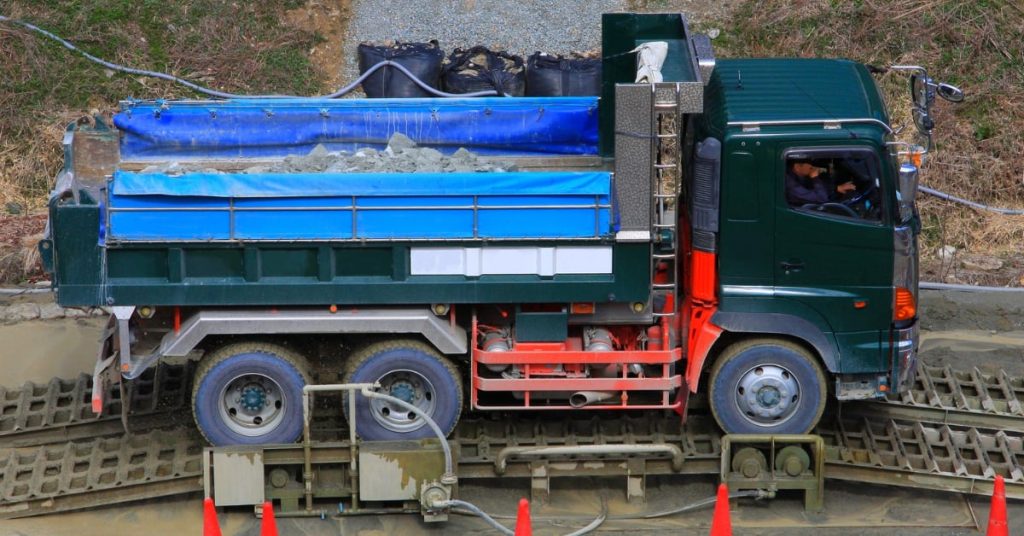
Flooring removal generates substantial waste, ranging from wood planks and carpet rolls to broken tiles and adhesive residues. Managing this debris responsibly is critical, both for environmental reasons and compliance with local regulations. Separating recyclable materials such as untreated wood or metal fasteners from non-recyclable waste streamlines the disposal process and reduces landfill impact. Carpet and vinyl remnants, as well as adhesives, may require specialized facilities to ensure safe disposal. Breaking down larger pieces into manageable sizes helps transportation efficiency and minimizes handling risks. Proper containment, such as heavy-duty trash bags or debris bins, also prevents dust from spreading and reduces the chances of injury during removal and transport.
Recycling and repurposing removed flooring materials can further reduce environmental impact while offering potential cost savings. Hardwood planks, for instance, can often be refinished or donated, while metal components from tile installations may be recycled. Even certain adhesives or padding materials can sometimes be processed in eco-friendly facilities. Local regulations often dictate disposal methods for hazardous or non-recyclable materials, so staying informed and compliant is essential. Engaging professional removal services can simplify this aspect, as experienced teams know how to segregate waste, transport it safely, and dispose of it in accordance with legal and environmental standards. This approach ensures that the removal project leaves behind a clean, organized space without compromising sustainability or safety.
Hiring Professionals vs. DIY Flooring Removal
Deciding whether to tackle flooring removal as a DIY project or hire professionals involves weighing several factors. DIY removal can seem appealing for cost savings, especially for small-scale projects. However, it often requires significant physical effort, proper tools, and safety knowledge that inexperienced individuals may lack. Mistakes during DIY removal, such as damaging subfloors, breaking tiles inefficiently, or mishandling adhesives, can increase project costs and timelines. Professionals bring expertise, experience, and specialized equipment that streamline the process, reduce potential damage, and ensure compliance with safety regulations. For larger or complex projects, hiring experts is often more efficient, saving time and minimizing stress.
Professional flooring removal services also provide peace of mind and convenience. They can handle all aspects of the process, including assessing the flooring type, removing materials safely, transporting debris, and disposing of it responsibly. Trained crews are familiar with techniques for different materials, reducing risks of injury or accidental property damage. They also often provide insurance coverage, ensuring that accidents or unforeseen issues are managed without additional financial burden. By entrusting the project to professionals, homeowners can focus on planning the next steps for renovations, knowing that the old flooring is removed efficiently, safely, and in compliance with environmental and local disposal regulations.
Time Management and Project Efficiency
Efficient time management is a cornerstone of successful flooring removal. Planning the sequence of work, organizing tools and disposal containers, and preparing the space all contribute to a streamlined workflow. Breaking the project into stages, such as clearing furniture, loosening materials, removing flooring, and cleaning debris, helps prevent bottlenecks and ensures steady progress. Workers can maintain momentum without unnecessary downtime or repeated handling of the same materials. Project efficiency is especially important in commercial settings, where minimizing downtime reduces disruption to business operations. Even in residential projects, a well-paced approach prevents exhaustion and allows better quality control throughout the removal process.
Flexibility in scheduling also plays a crucial role in maintaining efficiency. Unexpected challenges, such as hidden adhesives, damaged subfloors, or debris that cannot be disposed of immediately, can arise. Having contingency plans, extra time allocated for problem areas, and ready access to replacement tools allows the project to continue smoothly without extended delays. For multi-room or multi-floor projects, staggering work phases help maintain access to essential areas while removal is ongoing. By combining careful scheduling with preparedness for unforeseen complications, flooring removal projects can be completed on time, on budget, and with minimal disruption to the surrounding environment.
Conclusion
Flooring removal is a complex and often physically demanding task that requires careful planning, the right tools, and attention to safety and disposal protocols. Whether dealing with hardwood, tile, vinyl, or carpet, understanding the unique challenges of each material, preparing the space properly, and managing waste responsibly are crucial to achieving a smooth and successful project. Professionals can offer expertise, efficiency, and peace of mind, particularly for larger or more intricate jobs, while proper time management ensures that removal is accomplished with minimal disruption and optimal results. By following best practices, homeowners and contractors alike can safeguard their properties, the environment, and themselves during flooring removal projects.
For those in need of expert flooring removal and disposal services in Ventura, CA, Mobile Dump Junk Removal provides comprehensive solutions. Their experienced team ensures that every project is handled safely, efficiently, and responsibly. Contact Mobile Dump Junk Removal at 805 751‑3744 or via email at mobiledumpremoval@gmail.com to schedule professional flooring removal and disposal that meets the highest standards of quality and environmental care.