
The decision to demolish a kitchen is never trivial. It involves envisioning a clean slate, dismantling existing structures, and preparing the space for what comes next. Before you swing the hammer, a clear grasp of the full scope is vital. Start by examining what you currently have: cabinetry, appliances, countertops, flooring, wiring, plumbing. Each component represents its own set of challenges. For instance, when removing cabinets, consider how they’re fastened to the wall and whether they contain integrated wiring or plumbing fixtures.
Equally important is determining what stays and what goes. Perhaps your base structure remains fit for reuse—walls may be sound, and the layout may suit your needs—so selective demolition may suffice. On the other hand, a full gut may be necessary if the space is outdated, plumbing is old or if you’re planning to change the footprint.
Planning and Preparation
Before the first swing of the sledgehammer, meticulous preparation sets the tone for a safe and efficient demolition. Firstly, make sure all utilities are addressed. Shut off electricity at the panel for circuits serving the kitchen. Turn off water at the main valve or localized shut offs for sink and dishwasher. If gas lines exist for a stove or oven, either have a certified professional cap the line or confirm its deactivation. Without these steps, you risk shock, floods, or worse. Once utilities are handled, clear the room of items you’ll keep or reuse. Remove fragile items, uncouple appliances, and store away anything sensitive to dust or vibration.
Time planning is also essential. Decide when the demolition will happen—ideally when the space is least needed (perhaps early morning or on a weekend). Allow buffer time for unexpected complications, such as hidden wiring or mold behind drywall. Gather the right tools: hammer, pry bar, reciprocating saw, screw‑gun, plan for protective equipment like gloves, goggles, dust mask or respirator, and perhaps ear protection. Prep the area with drop cloths, mark exposed nails, remove wall‑mounted items, and unscrew fixtures—this careful preparation eliminates many stoppages.
Safety Measures to Keep You Protected
Safety during kitchen demolition cannot be overlooked. Deming in a compact space like a kitchen brings hazards: sharp edges, falling debris, dust inhalation, and potential\ electrical or plumbing mishaps. Ensure everyone on site wears personal protective equipment. Safety goggles protect against flying splinters; sturdy gloves reduce the risk of cuts and abrasions; respiratory protection is often forgotten but essential when drywall dust, insulation particles or old adhesives are disturbed.
When it comes to structural integrity, be alert: removing load‐bearing walls, parts of flooring or foundational supports requires caution and often engineering oversight. Don’t guess at what is structural—if in doubt, consult a professional. Also, maintain three‑point contact when working on ladders and watch your footing—kitchen floors may be slick or cluttered during demo. Secure loose boards and nails, and ensure walkthroughs are free of tripping hazards. Remove heavy items with help and avoid strain by using proper lifts or dollies.
Step‑by‑Step Demolition Process
Begin by removing all the easy stuff: unplug appliances, drain water lines and disconnect plumbing from sinks, dishwashers and refrigerators. Save fixtures you plan to reuse, like decorative hardware or lighting. Once the peripheral items are out, tackle upper cabinets and shelving—they’re typically screwed into studs, so pry carefully and watch for hidden screws. Remove countertops second, especially if they’re anchored with caulk or adhesive. After that, lower cabinets and finally appliances. With the floor now exposed you can remove flooring—tile or vinyl may be glued down, so a scraper or floor‑chisel may be needed.
If your plan includes changing walls or opening up space, that’s when you evaluate the structural impact. Remove drywall in sections and peel back to expose studs. Label wiring and plumbing you intend to keep, tape off wires and protect open pipes. For any walls you remove, be ready with temporary supports if needed. Once walls and floors are clear, sweep and vacuum thoroughly to remove dust and small debris. This sets the stage for the next contractor or your renovation phase.
Waste Disposal and Recycling Considerations
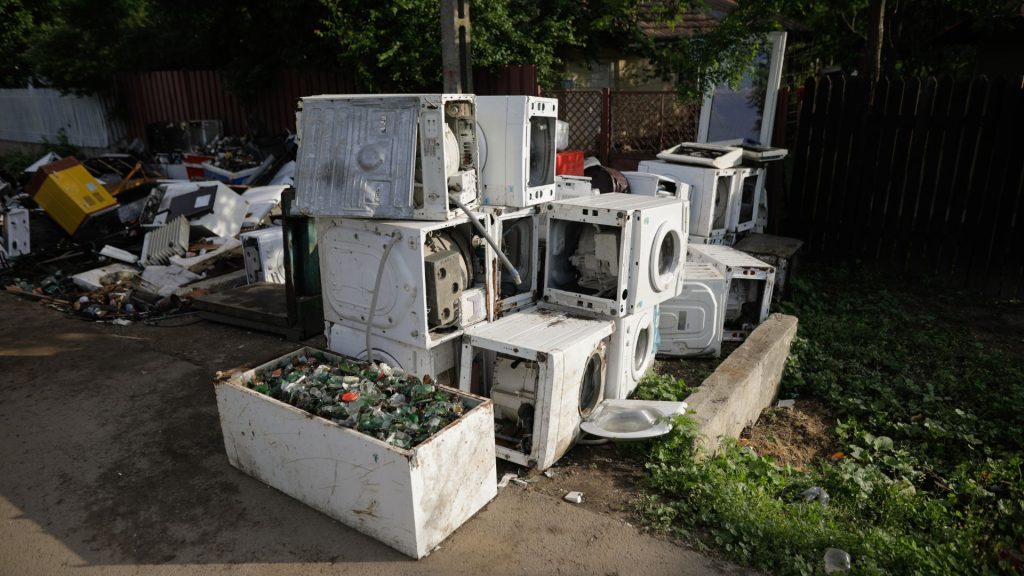
Once the dust settles and the kitchen is stripped to its bones, you face a key decision: how do you dispose of or recycle the materials you’ve generated? Many materials from a kitchen demo are recyclable: metal appliances, cabinets, copper plumbing, tile, even certain plastics. Planning ahead for recycling not only reduces waste and landfill contribution, but may save money on disposal fees. A service like the one offered by the previously mentioned Mobile Dump Junk Removal emphasizes eco‑friendly practices—sorting out recyclables and donations whenever possible.
If you’re renting a dumpster, ensure you choose the right size and avoid overfilling which may incur extra costs or violate regulations. When loading the dumpster, place heavier items like concrete or stone flooring first to keep the load balanced and safe for transport. Bulky items should be broken down into manageable sizes — cabinetry can be disassembled to reduce volume. Don’t forget to protect your work area: place cardboard or plywood on the path to the dumpster to avoid damage to floors or driveways. Once disposal is handled, and the space is swept and cleaned, you’re ready for what’s next.
Cost Efficiency and Timely Execution
Efficiency in kitchen demolition is not just about speed—it’s about eliminating unnecessary costs and avoiding delays. Pre‑planning hardware, utilities, disposal and labor helps. When you schedule the demolition at a time when your contractor or your renovation team is ready to move into rebuild mode, you avoid an idle period where your space sits in limbo. Same‑day removal services like those offered by Mobile Dump Junk Removal help keep your timeline tight and avoid the space becoming a dumping ground.
An often overlooked cost‑saving strategy is reuse. If cabinets are in decent shape, you can remove doors, reuse boxes and repaint or refinish. Flooring and fixtures might be salvageable. By identifying these opportunities before the demo begins, you may reduce both demolition time and rebuild costs. Effective timing means the moment the demolition ends, your renovation phase can begin without delay. This continuity keeps labor costs down and prevents prolonged disruption to your home. With smart preparation and scheduling, you can experience a smoother transition from demolition to design.
Navigating Common Pitfalls and Mistakes
Kitchen demolition may appear straightforward, but several pitfalls can derail your project. One common mistake is neglecting to confirm load‑bearing walls. Removing a wall without proper shoring or engineering can result in structural damage and hefty repair bills. Another is failure to shut off utilities properly—there are stories of DIYers cutting into hidden low‑voltage wiring or severing water lines behind cabinets. Always trace wiring and plumbing paths before you begin.
Furthermore, disposing of debris improperly or failing to separate hazardous materials can lead to fines or violations. Some cities treat certain items like tile or appliances containing refrigerants as special waste. Contacting a professional disposal service clarifies these issues ahead of time. Another misstep is rushing the demo phase without aligning the next stage of work—waiting for materials to arrive or contractors to begin can stall your renovation and lead to cost overruns. By recognizing these common traps and planning for them, you’ll keep the process on track.
Transitioning to the Next Phase
Once the demolition phase is complete, and your space is clean and cleared, you stand at a pivotal transition point. This is where your renovation vision begins to take tangible shape. With walls down and floor clean, you can now bring in designers, tradespeople or begin installing new elements like plumbing, electrical, framing or flooring. Ensuring your demolition was thorough and precise means fewer surprises mid‑build. You’ll want to inspect the exposed surfaces: studs, joists, conduits, pipes—confirm their condition, address any damage or decay, and make adjustments before covering them up.
Equally, keep in mind the finish phase—from cabinetry to countertops, lighting fixtures to flooring—should align with the open space you’ve now generated. Having cleared away the old you’ll appreciate the clean canvas. Consider the flow, ergonomics, lighting, appliance placement, ventilation and how the space meets your lifestyle. The restoration process gains momentum when demolition is smooth. Having chosen a reliable removal partner like Mobile Dump Junk Removal ensures the transition remains seamless. Their full‑service approach means you avoid retaining unwanted debris; you’re not waiting for a separate hauling service—you’re ready to proceed.
Conclusion
Embarking on a kitchen demolition is a project that demands planning, safety, execution and follow‑through. From the very beginning you need to understand the scope of what you’re removing and why. Detailed preparation of utility shut‑offs, protection of surrounding spaces and mapping out the disposal flow set the tone. Safety must be prioritized at every step—PPE, structural awareness, dust control and correct waste handling all factor into a successful outcome. The step‑by‑step demolition process—from appliance removal to flooring extraction—becomes far more manageable when guided by intent and a clear sequence. Handling waste efficiently and with an eye toward recycling pays dividends, both in cost savings and environmental impact. Cost control and timing are crucial: you want removal completed in concert with renovation readiness to minimize downtime and budget creep. Recognizing common mistakes—like misidentifying structural elements, neglecting dust barriers or skipping utility checks—helps you avoid project‑killing delays. Finally, with the space stripped and cleaned you move into the transformational phase where your new kitchen takes shape.
If you are looking for reliable support to handle the debris and clearance side of your job, consider contacting Mobile Dump Junk Removal in Ventura, CA. With their family‑owned, locally operated service and same‑day pickup option, they simplify the cleanup so you can focus on the build. Their phone number is 805 751‑3744 and you may reach them by email at mobiledumpremoval@gmail.com.