
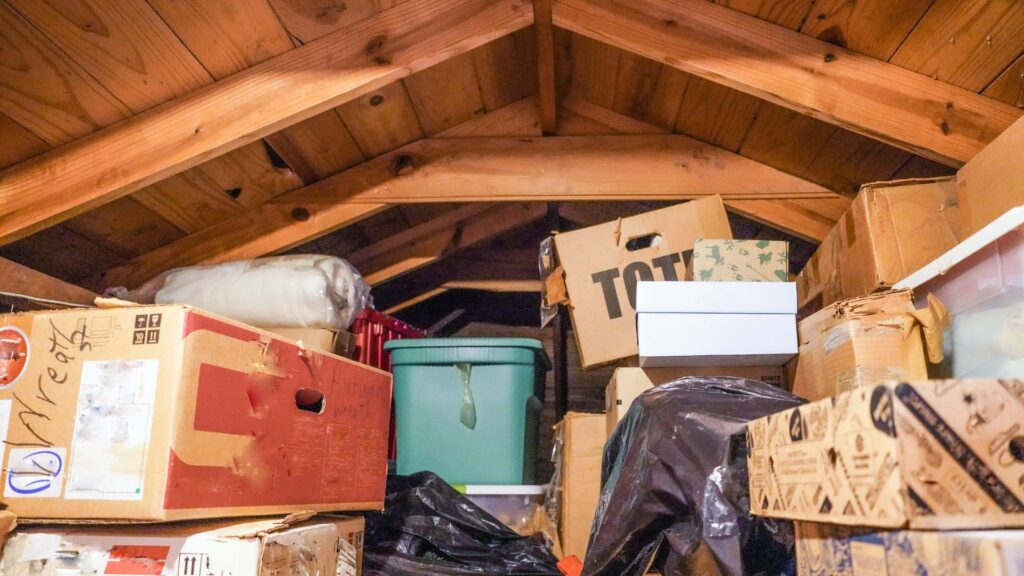
It’s so often that attics become catch‑alls, where boxes of forgotten memories and seasonal decorations gather dust and become practically invisible. Clearing that stuff out is less about losing sentimental items and more about reclaiming a space that can finally breathe. By shaking off years of attic clutter you not only restore usable storage capacity, but also reduce risks like pest infestations or fire hazards. A well‑cleaned attic brings fresh air to your home and peace of mind.
Tackling the clutter might seem overwhelming, but it doesn’t have to feel that way. If you break the task into smaller zones, move through one section at a time, and keep safety at the forefront, the process becomes manageable. Your attic, once a chaotic jumble, can transform into an organized resource, whether you plan to use it for long‑term storage, renovation, or simply a cleaner canvas.
Planning Before the First Step
Before you haul out boxes or climb into dusty corners, planning is key. Survey your attic layout—note low ceilings, steep ladders, or fragile flooring. Those structural quirks shape how you approach the work. Gather enough boxes or labeled bins so you can sort items into keep, donate, sell, or toss piles. When you prepare in advance, decisions flow more naturally.
Setting a realistic timeline matters too. Rather than diving in and quitting halfway through, block off clear chunks of time—perhaps morning for sorting, afternoon for hauling, and the next day for clean‑up. Including contingencies for breaks, restocks of packing supplies, or unexpected heavy lifting keeps effort sustainable. Essentially, your prep lays the groundwork for smoother progress and less stress.
Prepare for the Unexpected: Flexibility is Part of the Plan
No matter how detailed your checklist may be, unexpected challenges have a way of sneaking into even the most carefully organized attic cleanout. That box you thought was full of pillows might be packed with old books. The roll of packing tape you thought would last the day might run out halfway through sealing your second container. It’s these little surprises that can turn a smooth day’s work into a frustrating detour—unless you’ve planned for the hiccups.
Another area often overlooked is physical stamina. Attics are not usually the most comfortable places to work—temperatures can rise quickly, ventilation is often poor, and navigating beams or tight crawlspaces can be physically demanding. Don’t be shy about taking breaks. Schedule them into your plan the same way you schedule sorting and hauling. Sit down, hydrate, and check your progress. If you’re feeling fatigued, don’t push through—rest, and reassess. Flexibility doesn’t mean abandoning your plan; it means allowing room to adapt when things don’t go as expected. Your body and mind will thank you for it.
Safety First: Protect Yourself and Your Home
Attics often pose safety challenges that aren’t obvious until you’re halfway into the job. Floorboards may conceal drywall beneath, requiring careful footing—or else you risk stepping through. Always wear protective gear: gloves, a dust mask or respirator, and a headlamp rather than a flashlight for hands‑free visibility. More than once, attic clean‑ups are slowed, or worse, derailed because safety was an afterthought.
Proper ventilation matters too. Dust, insulation particles, or even mold spores can get kicked up beneath your feet and make the air stale or unhealthy. Leave a window or vent open if possible. Take frequent breaks to breathe fresh air downstairs. Use lightweight gloves and knee pads if you expect crawling or tight low overheads. With thoughtful precautions, your attic cleanout can go quickly and safely.
Decluttering: What to Keep, What to Let Go
Sorting attic items can feel emotionally draining—especially when confronting items stored “for someday.” So use a simple filter: if you haven’t used it in over a year and can’t justify keeping it, it’s time to part ways. That includes holiday decorations beyond recollection, old paperwork, tools you never reached for, or clothing that no longer fits. The honest question: is it still serving a purpose, or just taking up space?
Grouping items by their fate—keep, donate, recycle, or toss—guides your decisions. Remember that donation‑worthy items can benefit others, while broken electronics, old mattresses, non‑recyclable plastics, or hazardous materials often need special disposal. Having a clear sorting process makes the physical clearing quicker and prevents second guessing later.
Organized Layout: Creating Zones That Work
Once you’ve separated items, reorganizing what stays makes a big difference. Use labeled storage bins—clear bins if possible so you can see contents at a glance. Place seasonal items like holiday decorations in one zone, family keepsakes or heirlooms in another, and heavier equipment or tools together in a third. That kind of zoning transforms chaotic collections into a user‑friendly setup.
Consolidating like‑with‑like means you won’t have to reopen every box to find something later. Stick to lighter boxes for the upper reaches, and heavier bins closer to eye‑level so carrying is safe. Your attic floor plan then becomes intuitive. If you plan to revisit the attic year after year, an organized layout cuts down on frantic searches and gives you room to grow.
Efficient Removal: Making It Manageable
Once your sorting and organizing is complete, the actual removal job begins. Take it step by step: gather items to junk, donation, or recycling piles and carry them down carefully, making multiple smaller trips rather than risking strain on a single heavy load. When possible, work with a partner to shuttle bins quickly and safely.
For bigger items like furniture or appliances tucked into an attic corner, use straps or moving blankets to protect walls or flooring. If stairs are narrow, consider sliding items carefully or disassembling. Avoid dragging heavy boxes across drywall or carpeting. The aim is to move efficiently, but without causing damage in the process.
Eco‑Friendly Disposal: Give Back and Recycle
Clearing out your attic doesn’t have to end in a landfill. Many items may be in good enough condition to donate. Local thrift stores, charities, or community centers often welcome furniture, decor, gently used clothes, or small appliances—just be sure items meet their guidelines. Some junk removal services will handle pickups for donation on your behalf.
Recycling is a smart option for materials like old electronics, metal tools, cardboard, or clean wood. Check with local recycling centers about accepted items. And items that can’t be donated or recycled—like broken plastics or contaminated materials—should be responsibly sent to proper disposal facilities. That way you minimize waste while decluttering respectfully.
Post‑Clean: The Final Walk‑Through
When the major hauling is done, don’t skip a slow inspection of the attic. Sweep or vacuum loose dust and dirt, and if the floor is exposed, consider adding plywood sheets or boards to reinforce walkways. If you’re storing boxes, place them on pallets or shelving whenever possible to protect them from pests or moisture.
Make note of any attic repairs or insulation concerns you noticed during cleanout—loose wiring, missing insulation, roof leaks—and plan follow‑up maintenance. A clean attic can reveal home‑care needs you might otherwise miss. Closing the loop with tidy flooring, secure storage bins, and marked zones sets you up for order long after the project ends.
How Professional Help Can Simplify the Process
Sometimes the scale of an attic cleanout is too big to face alone. Professional junk‑removal companies can handle the heavy lifting, sorting, hauling, and disposal. They save you treadmill trips up and down stairs and ensure that recycling and donation happen properly. Many offer same‑day or next‑day service and transparent pricing that’s based on volume or labor rather than surprises mid‑job.
A professional crew also brings equipment like dollies, straps, and properly sized trucks. They’re trained in safety and often insured, reducing your risk. Plus, their relationships with charities and recycling centers can boost the percentage of your items diverted from landfills. In many cases, hiring a pro can transform a stressful weekend into a single efficient appointment.
Seasonal Timing: Why It Matters
Picking the right time to do an attic cleanout can make a difference. Early spring or fall tends to be ideal—mild temperatures and less dust in the air. Summer heat can make attic work exhausting or even unsafe, while winter may need extra address on insulation and cold air infiltration.
Also consider your schedule: if you’re preparing to convert attic space for renovation or holiday storage, allow enough lead time before the next season. Giving yourself a buffer ensures that you’re not rushing and that donation pickups or recycling deadlines are met before seasonal schedules change.
Conclusion
With proper planning, a thoughtful system, and focus on safety, attic cleanouts become not just doable but surprisingly rewarding. Sectioning your project into distinct phases—sorting, organizing, hauling, disposing, and final cleanup—reduces overwhelm and ensures nothing is overlooked. Prioritizing eco‑friendly disposal through donation and recycling also brings long‑term satisfaction, knowing your old items may serve others.
If you’re in the Ventura, CA area and would rather leave the heavy lifting to experienced professionals, you can rely on Mobile Dump Junk Removal to handle every aspect—from careful removal in tight attic spaces to responsible disposal and donation coordination. Contact Mobile Dump Junk Removal in Ventura, CA at (805) 751‑3744 or email mobiledumpremoval@gmail.com for a stress‑free attic cleanout experience.