
Clearing out a workspace often uncovers a surprising collection of old office electronics that have accumulated over time. From outdated computers and printers to obsolete phones and scanners, these devices can take up valuable space and pose challenges if not handled correctly. Simply tossing them into the trash isn’t an option, as many contain materials that are harmful to the environment and valuable components that can be recycled.
Knowing what to do with old office electronics ensures that your cleanout is not only efficient but also responsible. Businesses and organizations can explore options such as professional recycling programs, donation to schools or nonprofits, or trade-in programs offered by manufacturers. Properly managing these electronics during a cleanout keeps your office organized, protects sensitive data, and supports sustainability by giving old devices a second life.
Safely Sorting Old Office Electronics for Disposal
When cleaning out your office, the first step is to carefully sort old office electronics to streamline disposal and identify items that still have value. Start by separating devices based on type—computers, printers, monitors, phones, and other peripherals—so you can manage each category appropriately. Check for functionality and condition, distinguishing between devices that can be reused, recycled, or require special handling due to hazardous components.
Organize electronics in a way that prevents damage, using boxes or protective padding for fragile items. Sorting also helps ensure that data-bearing devices are handled separately, reducing the risk of data breaches. By taking the time to categorize old office electronics properly, you can create a cleaner, safer workspace and make the next steps, like recycling, donating, or selling, much more efficient. Thoughtful sorting sets the foundation for a responsible and effective office cleanout.
Data Protection Before Parting with Devices
Old office electronics often contain sensitive information, making data protection a critical step before disposal. Hard drives, USB drives, and smartphones may hold confidential business data or personal details that must be securely erased. Simply deleting files is not enough, as data can often be recovered with specialized tools. Consider using certified data-wiping software or professional services that guarantee complete destruction of information.
For devices beyond repair, physical destruction, like shredding hard drives, ensures that data cannot be retrieved. Implementing a clear protocol for data protection also protects your company from legal or financial repercussions associated with data breaches. Maintaining detailed records of data-erasure procedures can further safeguard your organization and demonstrate compliance with privacy regulations. Ensuring that old office electronics are cleared of sensitive data before recycling, donation, or resale is essential for maintaining trust, protecting business interests, and completing a cleanout in a secure and responsible manner.
Professional Recycling Options for Office Electronics
Recycling old office electronics through professional services is an environmentally responsible choice that reduces e-waste while recovering valuable materials. Certified recyclers adhere to strict environmental and safety standards, ensuring that components like metals, plastics, and circuit boards are processed properly. Many offer pick-up services or convenient drop-off locations, making it easier for businesses to handle large volumes of outdated electronics.
Professional recycling also addresses hazardous materials such as lead, mercury, and cadmium that can be found in monitors, batteries, and other components, preventing contamination of soil and water. Partnering with a certified recycler can provide documentation of responsible disposal, which is useful for regulatory compliance and corporate responsibility reporting. By using professional recycling services, offices not only clear space efficiently but also contribute to sustainability efforts, giving old electronics a second life and ensuring that the environmental impact of discarded technology is minimized.
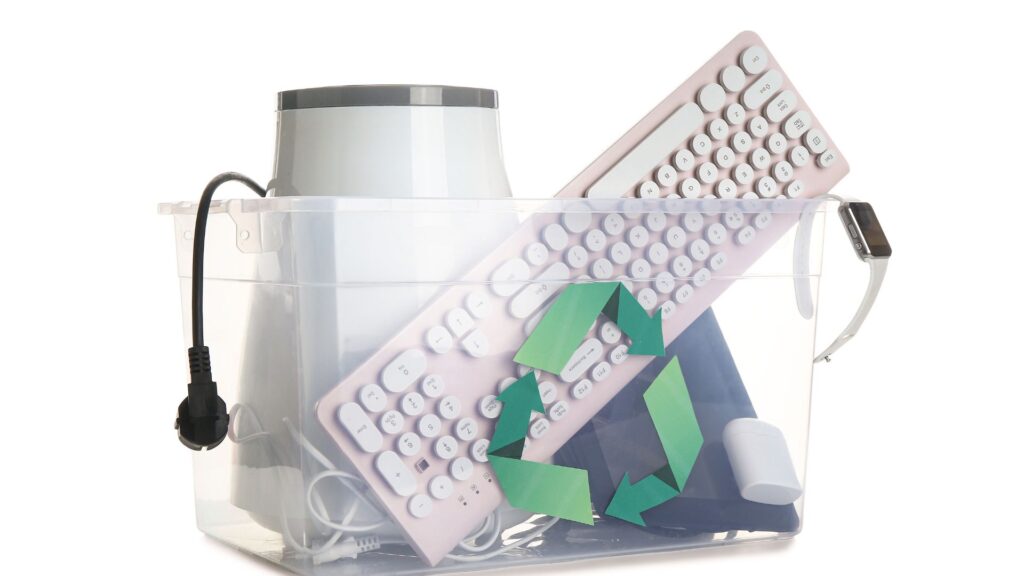
Donating Old Office Electronics to Community Programs
Donating old office electronics is a practical way to support schools, nonprofits, and local organizations while decluttering your workspace. Many organizations can put functional computers, printers, or phones to good use, helping students and communities access technology they might otherwise lack. Before donating, ensure devices are wiped of all sensitive data and in working condition, as recipients often cannot handle repairs or data security risks.
Donation programs may provide tax benefits and positive publicity for your business while extending the life of electronics that might otherwise be discarded. Some organizations even accept slightly outdated devices for parts or refurbishment. Coordinating with reputable programs ensures that your old office electronics reach those who can make the most of them. This approach not only benefits your organization by simplifying cleanout efforts but also creates a meaningful impact in your community, giving discarded devices a renewed purpose.
Selling or Trading In Surplus Office Devices
For office electronics that are still functional, selling or trading in surplus devices can recover some of the initial investment while clearing space efficiently. Many manufacturers and retailers offer trade-in programs that provide credit toward new purchases, making it a cost-effective option during office upgrades. Businesses can also explore secondary markets or professional resellers that specialize in refurbished electronics.
Before selling, it is essential to perform a thorough inspection, ensure devices are in good working order, and securely erase all sensitive data to protect your organization. Pricing competitively can attract buyers quickly, and documenting the transaction ensures accountability and transparency. Selling or trading in old office electronics not only prevents waste but also allows organizations to reinvest in technology strategically. By turning outdated equipment into resources, offices can maintain operational efficiency while responsibly managing inventory and supporting sustainable technology practices.
Understanding Environmental Regulations for Electronics Disposal
Proper disposal of old office electronics requires awareness of local and national environmental regulations to avoid fines and ensure safe handling of hazardous materials. Many jurisdictions have strict e-waste laws governing how items like computers, monitors, printers, and batteries must be disposed of or recycled. Regulations often cover aspects such as certified recycling, transportation, storage, and reporting of discarded electronics.
Noncompliance can lead to penalties and environmental liabilities, making it essential for businesses to consult regulatory guidelines before proceeding with a cleanout. Understanding these rules also allows organizations to select recycling or disposal partners that meet legal standards, guaranteeing that old office electronics are managed safely. Staying informed about evolving legislation supports corporate responsibility, helps protect employees and the community from harmful substances, and ensures that office cleanouts are executed legally and efficiently. Knowledge of regulations ultimately contributes to a more organized, compliant, and environmentally conscious process.
Managing Batteries and Other Hazardous Components
Old office electronics often contain batteries, mercury switches, and other hazardous components that require special attention during disposal. Improper handling of these items can lead to chemical leaks, fires, or environmental contamination. Separate batteries and other hazardous elements from standard electronics and store them in secure containers to prevent damage.
Many certified recyclers accept these components and ensure they are processed safely according to environmental guidelines. Labeling and organizing hazardous materials also reduces risk for employees handling the cleanout. By carefully managing these items, businesses can prevent accidents, comply with safety regulations, and reduce the ecological footprint of office electronics disposal. Proper handling of batteries and hazardous components reflects a commitment to safety and sustainability, protecting both people and the environment while maintaining an efficient and responsible cleanout process.
Planning a Streamlined Office Electronics Cleanout
A successful office electronics cleanout begins with a clear, organized plan that outlines each step of the process. Start by inventorying all old office electronics and categorizing them by type, condition, and disposal method. Assign responsibilities to staff members or hire professional services to handle collection, sorting, and secure data erasure. Establish a timeline to prevent disruptions to daily operations and ensure that sensitive items are handled promptly.
Include storage areas for temporary holding of electronics before donation, sale, or recycling. Documenting each phase helps maintain accountability and reduces the risk of lost or misplaced devices. Thoughtful planning minimizes downtime, maximizes space recovery, and ensures that disposal is conducted safely and responsibly. By approaching an office electronics cleanout with strategy and structure, organizations can streamline the process, protect sensitive information, and complete the transition efficiently.
Partnering with Certified Electronics Recycling Companies
Working with certified electronics recycling companies guarantees that old office electronics are disposed of in a safe, compliant, and environmentally responsible manner. Certified partners follow rigorous standards for data destruction, material separation, and hazardous waste handling, ensuring that your office cleanout does not inadvertently create environmental or legal risks. These companies often provide pick-up services, documentation, and reporting for regulatory compliance, simplifying the process for businesses of any size.
Partnering with experts also allows organizations to focus on core operations while ensuring that old office electronics are managed efficiently. By relying on certified recyclers, companies can contribute to sustainable technology practices, recover valuable resources, and maintain a reputation for environmental responsibility. Choosing the right partner transforms an otherwise complex cleanout into a streamlined, accountable, and environmentally conscious operation that protects your business, employees, and the planet.
Conclusion
Properly handling old office electronics during a cleanout is essential for maintaining a safe, organized, and environmentally responsible workspace. Whether you choose to recycle, donate, sell, or trade in your devices, taking the necessary steps ensures sensitive data is protected, hazardous materials are managed safely, and valuable resources are not wasted. Businesses in Ventura, CA, can simplify this process by working with trusted professionals who specialize in office cleanouts and electronics disposal. Mobile Dump Junk Removal provides convenient, reliable services to help you clear out outdated computers, printers, phones, and other office electronics efficiently and responsibly. Don’t let old devices clutter your office or pose a risk—reach out today at 18057513744 or email mobiledumpremoval@gmail.com to schedule a pickup. With the right support, your office cleanout can be smooth, secure, and sustainable, giving your workspace a fresh start while caring for the environment.