
Managing unused office equipment can become a challenge for businesses of any size. Old computers, printers, and other office machines often accumulate over time, taking up valuable space and creating clutter in work areas. Properly handling unused office equipment is essential not only to maintain a clean and organized environment but also to ensure safety and compliance with disposal regulations. Many companies underestimate the impact of keeping outdated items on-site, which can lead to inefficiencies and even potential hazards. By implementing a systematic approach to evaluate, recycle, or repurpose these items, businesses can reclaim workspace, reduce unnecessary storage costs, and contribute to sustainable practices. Understanding the best methods for dealing with unused office equipment ensures that resources are managed responsibly while keeping the office functional and clutter-free.
Assessing the Value of Unused Office Equipment
Before deciding what to do with unused office equipment, it’s crucial to assess its current value. Some devices may still hold resale potential, while others might only be suitable for recycling. Evaluating factors such as age, condition, and functionality helps determine whether items can be sold, donated, or disposed of responsibly. Taking stock of computers, printers, monitors, and office furniture can reveal hidden assets that could benefit your organization or others. Conducting this assessment regularly prevents unnecessary accumulation, reduces clutter, and ensures that space is used efficiently. Additionally, understanding the value of unused office equipment allows businesses to plan for replacements or upgrades strategically. By identifying which items are outdated versus those that are still usable, companies can make informed decisions that save costs and promote environmental responsibility. Proper evaluation is the first step toward a systematic approach to handling surplus office equipment.
Organizing Storage for Outdated Devices
Storing unused office equipment in an organized manner is essential to maintain a functional workspace. Without proper organization, outdated devices can accumulate in corners, closets, or storage rooms, creating clutter and limiting accessibility. Designating specific areas for surplus equipment, using labeled shelves or storage bins, ensures that items are easy to locate and track. Keeping an inventory of stored devices also helps in monitoring the age and condition of office machines, preventing unnecessary hoarding. Organized storage not only improves workflow efficiency but also protects equipment from damage and deterioration. When equipment is sorted and documented, decisions regarding sale, donation, or disposal become simpler. Additionally, neat storage allows staff to quickly identify usable items for temporary use or backup purposes. A well-organized storage system contributes to overall office safety, reduces the risk of accidents, and supports sustainable practices in managing unused office equipment.
Proper Disposal Methods for Electronics
Disposing of unused office equipment requires careful consideration to minimize environmental impact. Many electronics contain hazardous materials that can harm the environment if thrown away improperly. Following proper disposal methods ensures that devices are handled safely and in compliance with regulations. Partnering with certified recycling companies or taking equipment to authorized e-waste facilities guarantees responsible processing of outdated machines. Even items that no longer function can often be dismantled and recycled, with valuable components like metals, plastics, and circuit boards recovered. Documenting disposal activities also helps maintain accountability and ensures that confidential data is not left vulnerable. Choosing the right disposal method demonstrates corporate responsibility and reduces the office’s ecological footprint. By understanding and implementing proper disposal strategies, businesses can prevent unnecessary waste, support sustainability initiatives, and create a safer, cleaner environment for employees. Handling electronics responsibly is a crucial part of managing unused office equipment efficiently.
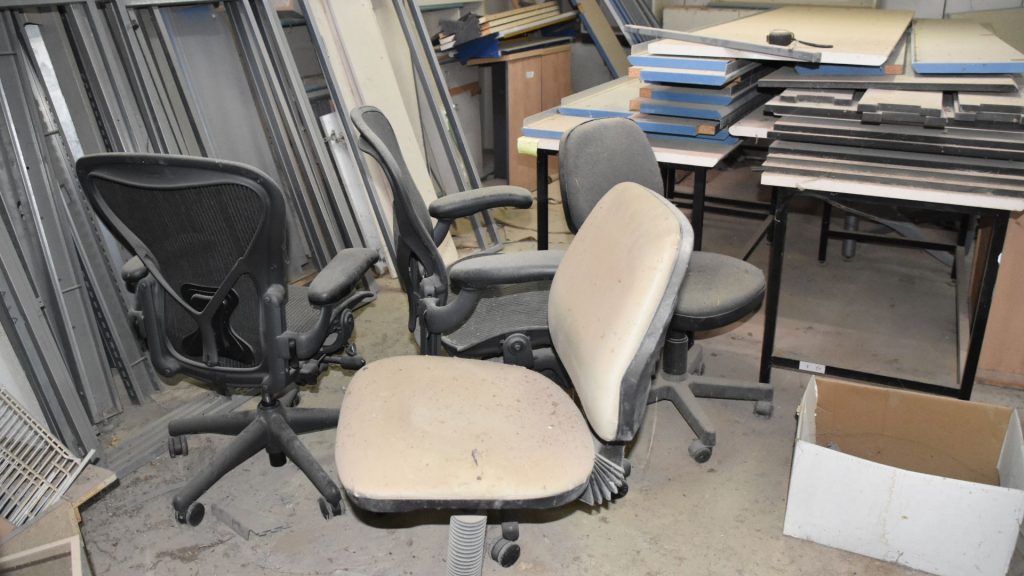
Partnering with Certified Recycling Centers
Working with certified recycling centers is an effective way to manage unused office equipment responsibly. These facilities are equipped to process electronics safely, recover valuable materials, and dispose of hazardous components properly. Establishing a relationship with a certified recycler provides a reliable solution for handling outdated computers, printers, monitors, and other office devices. Recycling centers also often offer pick-up services, making the process convenient and reducing logistical challenges. Partnering with these centers ensures compliance with environmental regulations and industry standards, preventing potential fines or legal issues. Additionally, certified recyclers can provide documentation confirming proper disposal, which is particularly important for data-sensitive equipment. By leveraging professional recycling services, businesses can focus on productivity while knowing that surplus office equipment is managed sustainably. This approach not only protects the environment but also reinforces a company’s commitment to responsible operations, making it an essential component of effective office equipment management.
Donating Equipment to Schools or Nonprofits
Unused office equipment can still serve a valuable purpose when donated to schools, nonprofits, or community organizations. Many institutions operate on limited budgets and can greatly benefit from functional computers, printers, and office furniture. Donating surplus devices extends their life cycle, reduces waste, and supports social responsibility initiatives. Before donating, it’s essential to ensure that equipment is in good working condition and that any confidential data is removed or wiped securely. Creating a donation plan involves inventorying available items, identifying suitable recipients, and coordinating logistics for delivery. Beyond providing practical resources, donations can enhance a company’s reputation by demonstrating community engagement and ethical practices. Additionally, some donations may qualify for tax deductions, offering financial incentives alongside social benefits. By choosing donation as a path for unused office equipment, businesses contribute to a more sustainable and socially conscious economy while making a tangible difference for organizations in need.
Selling Surplus Office Machines Safely
Selling unused office equipment is a practical way to recover some of the initial investment while freeing up valuable space. Items such as computers, monitors, and office furniture often retain resale value if properly maintained. To sell safely, it’s important to erase all sensitive data and ensure devices are in good working order. Platforms for selling range from online marketplaces to local resellers, offering flexibility in reaching potential buyers. Clear labeling and accurate descriptions help facilitate transactions and set buyer expectations. Selling surplus office machines also encourages sustainable practices by giving equipment a second life instead of contributing to waste. Additionally, maintaining records of sold items can streamline inventory management and financial tracking. By combining security measures, responsible marketing, and proper logistics, businesses can convert unused office equipment into revenue while reducing clutter and supporting environmentally friendly reuse practices.
Maintaining Data Security Before Disposal
Data security is a critical consideration when handling unused office equipment, particularly computers, external drives, and networked devices. Before disposing of or transferring devices, all sensitive information must be thoroughly removed to prevent breaches or misuse. Methods include secure data wiping, degaussing, or physical destruction of storage components for high-risk information. Maintaining data security protects company records, client information, and employee privacy, ensuring compliance with data protection regulations. Businesses should document each step of the data-clearing process for accountability. Even equipment that seems outdated can retain recoverable data, making precautionary measures essential. Properly safeguarding information prior to donation, resale, or recycling reduces liability risks and fosters trust among stakeholders. By prioritizing data security, companies can confidently manage unused office equipment without compromising sensitive information, ensuring that operational and regulatory standards are consistently upheld.
Scheduling Regular Office Equipment Audits
Conducting regular audits of office equipment helps organizations manage unused devices systematically and prevent clutter from accumulating. Scheduled reviews involve assessing functionality, age, and relevance to current business needs, identifying items ready for disposal, donation, or resale. Audits create a clear record of inventory, making it easier to track equipment lifecycles and plan for replacements strategically. This proactive approach prevents unnecessary storage of outdated machines, reduces safety risks, and optimizes workspace efficiency. Incorporating audits into routine operations encourages staff accountability and promotes a culture of organization and sustainability. Additionally, documenting audit results supports compliance with corporate policies and environmental regulations regarding electronic waste. By implementing a structured audit schedule, businesses can continuously evaluate and manage unused office equipment, streamline operations, and maintain a productive, clutter-free workplace.
Reducing Clutter Through Strategic Inventory Management
Strategic inventory management is key to minimizing clutter and maximizing efficiency when dealing with unused office equipment. Keeping detailed records of all devices, including purchase date, usage, and condition, allows organizations to make informed decisions about retention or disposal. This approach prevents unnecessary hoarding and ensures that valuable items are utilized effectively or removed from storage before they become obsolete. Implementing an inventory management system can also streamline procurement, reduce redundant purchases, and support sustainability goals by extending equipment lifecycles. Regular review of inventory data helps identify patterns in usage and highlights opportunities for equipment redistribution, donation, or sale. By strategically managing office assets, businesses maintain organized workspaces, reduce storage costs, and promote operational efficiency. This methodical approach transforms unused office equipment from a source of clutter into an opportunity for optimized resource management and responsible business practices.
Conclusion
Properly handling old and unused office equipment is essential for maintaining a clean, organized, and efficient workspace. Whether through assessment, storage, donation, resale, or recycling, taking proactive steps ensures that outdated devices are managed responsibly and do not become a source of clutter or safety hazards. By prioritizing data security and partnering with trusted disposal or recycling services, businesses can protect sensitive information while contributing to sustainable practices. For companies in Ventura, CA, looking to simplify this process, Mobile Dump Junk Removal offers professional assistance in safely removing and disposing of unused office equipment. Our team ensures efficient handling, environmentally responsible disposal, and peace of mind. Don’t let unused devices take up valuable space—contact us today at 18057513744 or mobiledumpremoval@gmail.com to schedule a pickup and transform your office into a cleaner, more productive environment.