
When it comes to the messy business of stripping out a bathroom—removing fixtures, tearing down tile, ripping drywall—successful cleanup hinges on organization, forethought, and a system that keeps things moving smoothly. At first glance, demolition might seem like just smashing and hauling, but the difference between a chaotic mess and a controlled demo job lies in how cleanup is handled. Approaching each phase with a clear mindset—pre‑planning, separating materials, protecting surfaces, and coordinating removal logistics—means the space is ready for whatever comes next with far less stress.
Cleanup after the demo is not just about hauling away rubble; it’s about restoring the room to a blank slate ready for reconstruction. That means sweeping, vacuuming, wiping down surfaces, bagging up small debris, and ensuring nothing is hiding in corners or behind walls. This is where you shift from a “tear down” mindset to “restore and reset.” If the space is left in disarray—dust everywhere, remnants of drywall on the floor, broken tile shards under plumbing fixtures—you’ll lose time and momentum when the next crew or phase comes in.
Plan the Path of Demolition
Begin your cleanup by envisioning how debris will travel from the bathroom to the disposal container. Before the hammer even comes down, map out a clear route for hauling out tiles, drywall, vanity parts and plumbing fixtures. Measure doorways, hallways and the path to your dumpster or skip bin so you’re not battling traffic jams or tight corners when the heavy lifting begins. Protect floors with drop cloths or plywood sheets to stop damage from sharp tile edges or falling chunks. Seal off vents and door openings to limit dust drifting into other rooms of the home.
Once you’ve begun removing fixtures, tiles, drywall or flooring, maintain a running sort of the materials you’re discarding. Create piles for what needs to be hauled away immediately, what can be recycled metal plumbing, copper wiring, clean tile, and what must be separated because of hazardous or unusual materials. Labeling or tagging bags or containers helps when the disposal crew shows up; they’ll know what’s clean, what’s mixed, and what’s ready to go.
Protect Adjacent Spaces
During a bathroom demolition, protecting the surrounding spaces from dust, debris and accidental damage is paramount. Use plastic sheeting or zip walls to isolate the bathroom from adjoining rooms, especially if the home’s living areas are still occupied. Temporarily remove or cover ventilation grilles to avoid circulating dust through HVAC systems. Place floor protection in high‑traffic areas—corridors, doorways, and entryways—so the path debris takes doesn’t also damage freshly painted walls or clean flooring.
Equally important is safeguarding fixtures that remain, such as nearby sinks, toilets, mirrors and lighting. Cover or mask them to avoid splatter of joint compound, fibers from drywall removal or tile shards. When heavy components are removed—like the tub or vanity—take out doors or move them out of the way so that large items can be carried out without banging into frames or scratches. Lay removable floor runners to guide the path of debris carts or wheelbarrows.
Use Appropriate Disposal Methods
Efficient cleanup in a bathroom demolition goes hand in hand with proper disposal logistics. Decide early whether you’ll rent a dumpster, arrange for portable containers or call in a pickup service; the choice influences how fast you can clear debris and move forward. If you’re working with a partner like Mobile Dump Junk Removal, you’ll appreciate that they specialize in handling construction debris and post‑demo material, offering flexible scheduling and eco‑friendly practices.
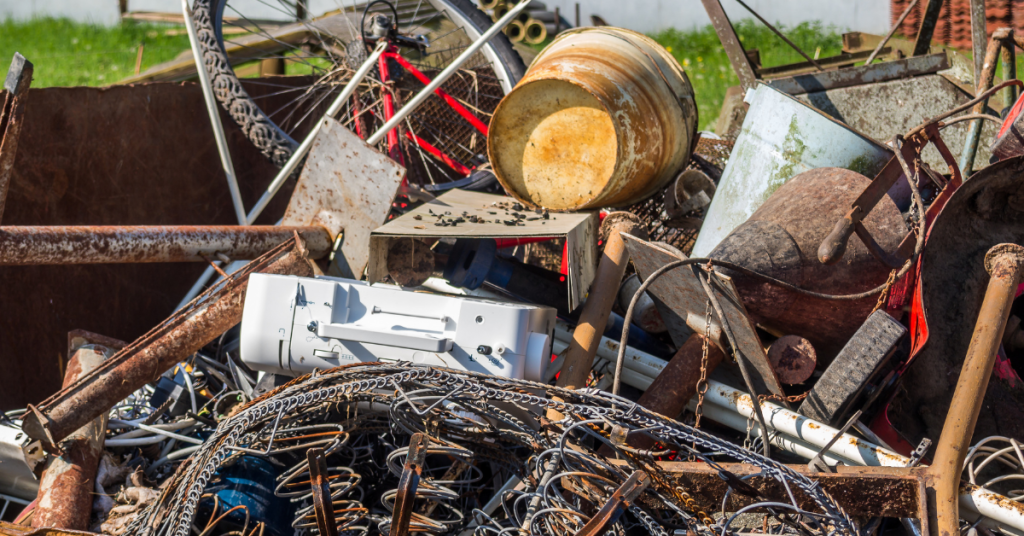
Sorting materials as you go means less time at the end and fewer complications with the disposal provider. Separate concrete, tile, drywall and metals because each may go to different recycling or landfill channels. Heavy items often need special handling or additional fees, so make sure your contractor or removal service is aware in advance.
Maintain Cleanliness As You Go
Demolition often conjures images of dust clouds, shattered tile and darkness—but you can tame much of the mess by keeping cleanliness a continuous priority rather than leaving it to the last minute. Equip the jobsite with a commercial‐grade shop vacuum and sweep frequently—especially after drywall removal or tile demolition. Use HEPA‑filtered vacuums if possible, to cut down on fine particulate dust that settles into cracks and surfaces.
Another smart tactic is to schedule “cleanup checkpoints” at the end of each demo phase—tile down, drywall out, plumbing removed. At each checkpoint, walk through the area, clear debris off the floor, wipe surfaces, check for hidden material behind fixtures, and empty the trash so that the next phase begins with a cleaner slate. When you maintain this rhythm, final cleanup becomes a breeze because most of the mess was dealt with along the way.
Final Sweep and Inspection
As demolition winds down, the “final sweep” is the moment when the space is transformed from chaos into order, ready for reconstruction. Start by removing all remaining large debris—bits of tile, drywall scraps, plumbing offcuts. Then vacuum and sweep once more, paying attention to corners, behind drain lines and under framing. It’s critical to inspect the floor for small pieces of tile or metal fragments which could puncture flooring underlayment or damage new flooring.
Once the space appears clean, run a thorough inspection. Check walls for leaning framing, exposed nails or screws, or leftover clips. Verify that plumbing stub‑outs and drain lines are clear, and electrical boxes are free of dust and debris. Look at ceiling and floor junctures for leftover material that could interfere with new installations. Mark any areas that need attention before the next phase begins—repair framing, re‑secure fixtures or replace damaged substrate—so that renovation starts on a fully prepared foundation.
Safety and Environmental Considerations
During bathroom demolition the hazards shift from tearing down to ensuring your cleanup handles the fallout safely and sustainably. Wear proper protective gear—dust masks, eye protection, gloves—while tidying up. Manage sharp tile edges and broken plumbing fixtures carefully, and bag up glass shards or tiny tile fragments so they don’t scatter. Ensure power tools are unplugged and removed from the area when not in use to prevent accidents.
On the environmental front, you’ll want to work with removal services or disposal methods that prioritize recycling and donation. Companies like Mobile Dump Junk Removal highlight eco‑friendly disposal, sorting loads for recycling or donation wherever possible. That means your demo cleanup isn’t just efficient—it’s responsible. Alert your waste handler ahead of time about recyclable items like copper piping, clean tile, wood trim or metal fixtures so they don’t simply go to landfill.
Timing and Coordination with Other Trades
Efficient demolition cleanup isn’t solely about the physical debris removal—it’s also about timing and integration with the following trades. Coordinate with your plumber, electrician or tile subcontractor ahead of time so that once cleanup is done they can move in without delay. A clean, cleared space means they won’t waste time removing leftover debris or prepping surfaces; they can hit the ground running. Conversely, if you leave the space cluttered or dusty, you risk delays, extra cleanup costs, or even needing the removal crew to return for a second visit.
Set milestones for when cleanup is complete and notify your subsequent crews accordingly. Clarify what “clean” means for your project—swept floor, dust wiped down, no nails or screws left behind—and document it with photos if needed. When everyone knows the handoff requirements, the entire workflow moves more smoothly. This coordination ensures your demolition cleanup doesn’t become a bottleneck but rather a launching pad for the next phase of work. In essence, you’re not just cleaning up—you’re synchronizing the project’s rhythm.
Budgeting for Cleanup
Clearing the space after demolition might feel like a smaller line item compared to major demo or installation costs, but underestimating it can affect your budget and timeline significantly. When you call a removal service such as Mobile Dump Junk Removal, they offer flexible scheduling, transparent pricing and waste disposal tailored to construction debris.
Factor into your budget the required supplies for cleanup—drop cloths, poly sheeting, floor protection, shop vacuum rental—and the manpower or service help to execute the job. Even if it seems minor compared to demo, cleanup is the transition point—and any delay impacts contractors, next trades and your project end date.
Conclusion
When you string all these elements together—path planning, space protection, disposal logistics, ongoing cleaning, final sweep, safety/environmental checks, coordination and budget preparation—you elevate cleanup from an afterthought to a strategic phase of your bathroom demolition project. The difference is palpable: rather than walking into a room strewn with debris, you walk into a space that’s ready for the next step. That shift saves time, reduces hassle, cuts down on unexpected costs and ensures your renovation momentum is preserved from demolition through to completion. Cleanup handled as an integral chapter of your workflow instead of a chaotic add‑on means the entire remodel proceeds more smoothly.
Think of cleanup not as the tail end of a demo, but as the bridge to rebuilding — a checkpoint where the space is reset, cleared and safe, ready for transformation. When this phase is done well, contractors will thank you, next phase trades will start on time, and you’ll be able to sprint into installation without the weight of leftover debris or disorder holding you back. Efficiency in demolition cleanup is not just about removing junk—it’s about setting the tone for the next leg of your project. Done right, you’ll have confidence that when the dust settles, the stage is set and the next act begins.In conclusion, should you need professional help with your post‑demolition cleanup, feel free to contact the team at Mobile Dump Junk Removal. They’re located in Ventura, CA and reachable at 805 751‑3744 or via email at mobiledumpremoval@gmail.com.