
Embarking on a kitchen demolition project can be a thrilling step toward revitalizing your home, but it is not without pitfalls. Many homeowners underestimate the complexity of tearing down cabinets, countertops, flooring, and appliances, assuming it is a straightforward process. In reality, the act of dismantling a kitchen involves a careful balance between efficiency and caution. Improper planning can lead to costly delays, unexpected structural damage, and safety hazards. Homeowners often overlook the significance of pre-demolition preparation, including securing necessary permits, turning off utilities, and mapping out disposal strategies. When skipped, these steps create a domino effect of mistakes that can turn a simple remodel into a prolonged nightmare. Recognizing and addressing these early on is crucial for a smooth, predictable renovation experience.
Another common misstep lies in underestimating the physical and environmental challenges inherent in demolition. Many structures conceal plumbing, electrical wiring, or gas lines that, if disturbed improperly, can cause accidents or system failures. Debris accumulation can quickly become overwhelming, leading to hazardous clutter and inefficient workflow. Rushing the process often results in damages that extend beyond the kitchen itself, such as cracked walls, broken floors, or compromised support beams. Strategic planning includes knowing which materials can be salvaged or recycled, as well as understanding proper disposal methods for hazardous substances like lead paint, asbestos, or old appliances. By preparing comprehensively and respecting these hidden complexities, homeowners reduce risks and maintain control over the project’s timeline.
Ignoring Safety Precautions
Neglecting safety measures is one of the most critical mistakes homeowners make during kitchen demolition. Gloves, goggles, respirators, and durable clothing are essential, yet often overlooked. The danger is not limited to sharp edges or falling debris; inhaling dust from drywall, insulation, or old flooring can lead to serious respiratory issues. Many people also fail to consider structural hazards, such as load-bearing walls that require professional assessment before removal. Even small oversights, like not turning off electricity or water, can result in severe injury. Establishing a safety-first mindset ensures that demolition work progresses without personal or property harm, allowing homeowners to focus on the creative aspects of their renovation instead of emergency fixes.
Beyond personal protection, safety extends to proper handling and disposal of materials. Demolition generates a mix of waste, from wood and tile to metal fixtures, some of which may contain hazardous chemicals. Improper disposal risks fines, environmental contamination, and additional cleanup costs. Planning designated areas for debris collection and maintaining a tidy work environment reduces the likelihood of trips, falls, and accidental exposure. Many homeowners overlook the importance of professional guidance in complex areas like gas line disconnections or asbestos removal. By integrating rigorous safety measures and mindful disposal practices, the demolition process remains controlled, efficient, and free from preventable setbacks.
Underestimating Time and Effort
Kitchen demolition is rarely a quick endeavor, yet many homeowners assume they can complete it in a single weekend. The reality is that dismantling cabinetry, flooring, and appliances is labor-intensive and requires patience. Rushing increases the chance of errors such as damaging reusable materials or weakening structural components. Additionally, unexpected complications often arise, from hidden mold behind walls to unforeseen plumbing issues. Allocating sufficient time for each phase and anticipating potential challenges minimizes stress and ensures work progresses without sacrificing quality. A thoughtful schedule can also accommodate safety breaks, inspection periods, and debris management, which are crucial for maintaining efficiency.
Underestimating the manpower and equipment needed compounds these issues. Many homeowners begin demolition without proper tools, relying on hand tools alone or attempting heavy lifting without assistance. This oversight can result in injury, material damage, or project delays. Heavy-duty equipment, such as crowbars, saws, and portable waste containers, streamlines the process and reduces physical strain. Even with tools on hand, professional insight can optimize workflow, ensuring that dismantling occurs in a logical order, minimizing chaos and preserving potentially salvageable materials. Recognizing the true scale of time and effort required prevents frustration and lays the groundwork for a seamless transition to the next renovation stage.
Failing to Plan for Waste Disposal
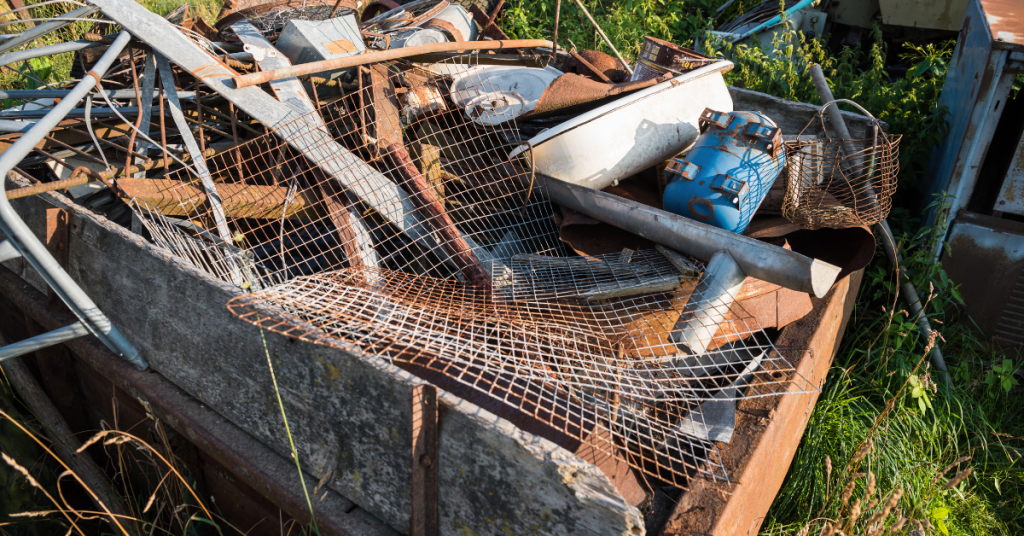
A frequently overlooked aspect of kitchen demolition is debris management. Removing cabinets, countertops, and appliances generates substantial waste that must be sorted, transported, and disposed of properly. Many homeowners fail to account for the sheer volume of materials, resulting in cluttered workspaces and repeated trips to landfills. Without an organized plan, debris can accumulate, creating hazards, slowing progress, and potentially violating local disposal regulations. Thoughtful preparation includes identifying which materials are recyclable, which require special handling, and securing access to appropriate disposal resources. Proper waste management reduces stress and ensures the project remains compliant and environmentally responsible.
Beyond logistics, failing to plan for disposal can also inflate costs. Improperly handled debris may lead to fines, additional hauling fees, or prolonged labor. It is essential to identify professional removal services capable of handling large volumes efficiently, allowing homeowners to focus on the demolition itself. Awareness of recycling opportunities, including metal, wood, and appliances, further contributes to sustainable practices. By integrating waste management into the initial project plan, demolition flows more smoothly, hazards are minimized, and environmental impact is significantly reduced. This approach preserves both efficiency and peace of mind throughout the remodel.
Damaging Structural Elements
Kitchen demolition may seem focused solely on removing visible elements, but the risk of unintentional structural damage is significant. Walls, support beams, and flooring systems can be compromised if demolition proceeds without awareness of the underlying framework. Many homeowners inadvertently remove studs, weaken load-bearing walls, or damage subflooring, creating structural concerns that may require expensive repairs. Understanding the role of each component and proceeding with measured care ensures the integrity of the home remains intact. Professional guidance can provide insights into which walls are non-load-bearing and which areas require reinforcement, preventing long-term issues.
Another common hazard involves plumbing and electrical systems hidden behind walls and cabinets. Removing cabinetry or countertops without proper mapping can sever water lines, damage electrical wiring, or disrupt gas connections. These mistakes can escalate repair costs, delay construction, and even pose safety risks such as flooding or electrical fires. Documenting existing utilities and carefully planning their disconnection or relocation reduces the likelihood of accidental damage. By treating the home’s structural and utility systems with caution, homeowners maintain both safety and integrity, ensuring that the demolition phase supports a successful renovation rather than creating unforeseen setbacks.
Neglecting Salvage and Reuse Opportunities
Many homeowners approach kitchen demolition with a purely destructive mindset, discarding items that could be repurposed or recycled. Cabinets, appliances, fixtures, and countertops often hold resale value or can be creatively reused in new projects. Ignoring these opportunities not only increases waste but also represents a missed financial advantage. Salvaging materials requires foresight, careful dismantling, and knowledge of storage or resale options. Thoughtful removal techniques can preserve the condition of items, making them suitable for donation, resale, or creative reintegration into your home.
Additionally, salvage considerations extend to sustainability practices. With growing attention to environmental responsibility, reducing landfill contributions is increasingly important. Many materials from a kitchen demolition, including metal, glass, and wood, can be diverted from waste streams when handled with care. Strategic planning ensures that salvageable items are separated efficiently from true waste, minimizing contamination and maximizing reuse potential. Integrating this approach not only benefits the environment but also reflects a conscientious, organized approach to home renovation that balances creativity, practicality, and fiscal responsibility.
Overlooking Professional Help
Attempting a kitchen demolition without professional support is a risk that often outweighs the perceived savings. Many homeowners assume that removing cabinets, countertops, and flooring is simply a matter of brute force, but this perspective overlooks the numerous complexities involved. DIY demolition can quickly become overwhelming, particularly when unexpected obstacles arise. For instance, hidden plumbing lines, electrical wiring, or gas connections can pose serious hazards if disturbed incorrectly. Mistakes in these areas can result in costly repairs, project delays, or even life-threatening accidents. Moreover, regulatory compliance is often underestimated. Certain demolition activities require permits, adherence to building codes, or proper handling of hazardous materials, such as asbestos or lead paint. Without professional guidance, homeowners may inadvertently violate these regulations, facing fines, legal issues, or mandatory corrective work.
Engaging professionals ensures that these risks are mitigated efficiently and thoroughly. Experienced demolition specialists bring not only the right tools but also a wealth of knowledge on best practices, structural safety, and workflow optimization. They understand the order in which components should be removed to avoid damaging load-bearing walls, countertops, flooring, or adjacent rooms. Beyond safety and technical expertise, professionals also offer logistical support, managing debris removal, sorting recyclable materials, and ensuring hazardous substances are disposed of responsibly. This holistic approach prevents cluttered workspaces, reduces the likelihood of accidents, and maintains a cleaner, more organized environment throughout the project.
Conclusion
Kitchen demolition is a transformative process that demands careful planning, vigilance, and thoughtful execution. Avoiding common mistakes, from neglecting safety to mismanaging waste, ensures that your renovation proceeds smoothly while preserving both structural integrity and personal well-being. Taking the time to anticipate challenges, prepare adequately, and respect hidden complexities allows homeowners to transition seamlessly from demolition to reconstruction, laying the foundation for a functional, aesthetically pleasing kitchen space.
For those seeking expert assistance with kitchen demolition, Mobile Dump Junk Removal in Ventura, CA, offers professional, efficient, and environmentally responsible services. With skilled teams ready to handle every aspect of the project, from safe dismantling to responsible debris disposal, they provide a streamlined experience that reduces stress and maximizes efficiency. Contact them at 805 751‑3744 or via email at mobiledumpremoval@gmail.com to ensure your kitchen demolition is executed safely, effectively, and with the care your home deserves.