
When embarking on a renovation that involves drywall removal, it helps to pause and paint a vivid picture of the task ahead. Drywall isn’t just wallboard you can yank off and toss—it has structural ties, dust implications, and potential disposal pitfalls. The experienced team at Mobile Dump Junk Removal in Ventura emphasizes that drywall removal is an integral phase in clearing the way for your next renovation milestone. According to their service outline, proper prepping, protective measures, and eco‑minded disposal all come into play.
Visualize the process: you’re not merely tearing down sheets, you are orchestrating a clean transition from what was to what will be. This means taking into account every hinge, stud, and joint, and imagining what happens after the sheetrock comes down—dust clouds, drywall scraps, exposed studs, maybe wires or plumbing beneath.
Pre‑Removal Planning and Preparation
Before the hammer hits the drywall, pause to orchestrate a clean removal plan—one that addresses safety, protection, and logistics. If you let things spiral, you’ll end up battling dust, damaged furniture, or landscape disruption. It starts with securing the space: cover floors, shift or shield furniture, block off air vents or ducts so dust doesn’t roam the house. The professionals at Mobile Dump Junk Removal note that preparing the environment is a key part of their process.
Next, survey the drywall you’re removing. Is it simply wallboard, or might there be insulation behind it? What about embedded wires, plumbing, or structural studs that must remain intact? Being proactive here prevents nasty surprises—like discovering mold behind the drywall or finding a pipe you forgot about. Finally, make a rough schedule and coordinate disposal. Figure out where the debris will go, whether you’ll reuse a portion, or if you’ll rely on a specialist junk removal team.
Safe Removal Techniques and Dust Control
Once demolition begins, the key word is “controlled.” You’re bringing down drywall, yes—but you’re also trying to preserve what stays behind, minimize mess, keep people safe, and avoid damage to surrounding surfaces. The first thrust should be removing trim, baseboards, and any fixtures before you rip the large sheets. That way you avoid jagged edges, unintended knocks, and broken pieces that fly off. The crew at Mobile Dump Junk Removal emphasises that they “use specialized tools and techniques” to ensure drywall removal is quick and safe, with minimal disruption.
Dust is the other nemesis. Drywall dust isn’t just unsightly—it can harm HVAC systems, settle on surfaces, and reduce air quality in your home. Use zip walls or plastic sheeting to segment the work area from living spaces. Invest in a good shop vacuum with a HEPA filter, and vent the area if possible—open windows, run fans, or even set up negative air pressure if your budget allows.
Organizing Waste and Disposal Responsibly
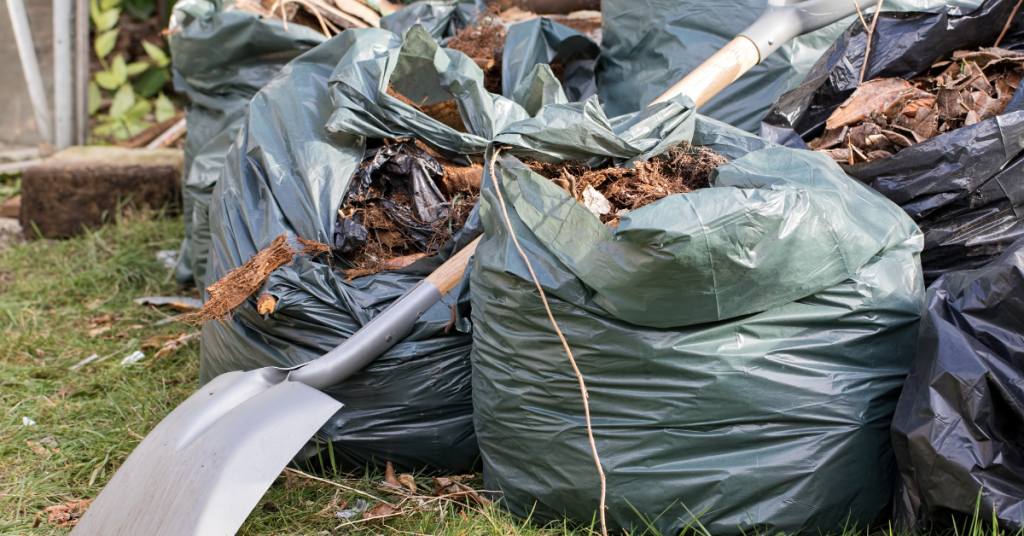
After the drywall comes down and you’ve dealt with dust, your next major challenge is disposal. The folks at Mobile Dump Junk Removal highlight their commitment to eco‑friendly drywall disposal practices—recycling what can be recycled, disposing of non‑recyclables responsibly. The first step for you is to know your local regulations and what your options are for drywall waste.
Create separation zones: one for clean drywall pieces, another for scrap mixed with insulation or other materials, another for items with potential mold issues. Label containers clearly. Renting a dumpster may make sense if you have a large volume; otherwise, coordinated bulk pickup via a junk removal company can save you time, effort and potential disposal fines.
Minimizing Disruption to Living Spaces and Business Activity
During a renovation that involves drywall removal, life doesn’t stop. If it’s a home, family routines continue; if it’s a commercial space, operations may still be running. The team from Mobile Dump Junk Removal mentions they offer efficient drywall removal for commercial sites with minimal downtime. That means you’ll want to plan work hours carefully—perhaps doing the most disruptive parts when people are away nights or weekends, coordinating temporary relocation of desks or furniture, and ensuring walkways and exits remain clear.
It’s wise to establish temporary protective zones and safe access routes so that the demolition zone is clearly separated from the “living/working” zone. Label hazards, keep debris out of sight lines, and consider scheduling periodic clean-ups during the job rather than waiting until the end. This maintains morale, productivity, and cleanliness.
Scheduling Follow‑Up and Next Steps After Removal
Once the drywall is down and removed, your next steps begin—and they should be scheduled in. After the professionals clear the debris and do their final clean-up, you’ll want to inspect the exposed studs, wiring, plumbing and insulation. Are there holes or gaps needing repair? Is the wiring up to code? Are you ready for the new drywall sheets to go in, or do you need a secondary inspection or structural reinforcement? The cleaning and final inspection stage by Mobile Dump Junk Removal is part of their process.
It’s smart to schedule your drywall installation, painting, or whatever next stage you have in mind before the removal job ends—so you keep momentum and avoid the dreaded “sit awhile in this stripped‑down state” that sometimes happens. Confirm your subcontractors are lined up. Ensure any structural or electrical issues uncovered during removal are resolved. Clean the studs and framing so nothing hinders the new installation.
Budgeting and Cost‑Control Considerations
Drywall removal is more than muscle and mess—it has cost implications. Whether you’re doing it yourself or hiring a team, understanding the budget leak points helps you make better decisions. The site for junk removal tips notes that selecting the right size dumpster or hauling service, sorting materials, and knowing local rules can all influence cost. If you’re hiring a service like Mobile Dump Junk Removal, their transparent pricing and inclusive services prepping, removal, disposal, clean‑up are part of what they promote.
To keep costs in check, plan for the volume of drywall you expect, factor in labor and disposal fees, and leave some wiggle room for surprises. Doing a little prep—clearing furniture, protecting floors, segregating waste—can reduce labor hours and cleanup time. If you’re DIY‑oriented, prepare for rental equipment or dumpsters.
Common Pitfalls and How to Avoid Them
It’s one thing to remove drywall; it’s another to do it cleanly, safely, and without regret. Some common pitfalls include poor dust containment, forgetting hidden utilities behind walls, mis‑estimating volume of waste, or delaying follow‑up work which leads to an exposed shell that becomes a nuisance. The professionals at Mobile Dump Junk Removal stress safety and efficiency in their services.
Another pitfall is neglecting to protect adjacent areas: cabinets, furniture, carpets, landscaping outside windows—all can suffer if you tear through walls without protection. And finally, don’t leave an open removal site without a clear “next step” plan. An idle stripped space invites dust accumulation, pest access, ingredient damage and morale dips in a commercial environment. Scheduling follow‑up installation or drywall hanging immediately keeps the site clean, safe and purposeful.
Leveraging Professional Support and Choosing the Right Partner
When drywall removal becomes extensive, specialized, or simply inconvenient for your team, partnering with experienced professionals brings value. The team at Mobile Dump Junk Removal portrays itself as such: for residential, commercial, and construction‑site drywall removal in Ventura, they promise speed, minimal downtime, eco‑friendly disposal, and reliable service.
Moreover, make sure they provide a clear scope of work: what they’ll remove, what the client must vacate, whether they protect adjacent surfaces, how they manage disposal, and what the final clean state will be. A good partner doesn’t just haul debris—they leave the space ready for your next phase. And a reliable vendor will have transparent pricing, flexible scheduling and one‑point contact.
Environment and Sustainability Considerations
In our current era of renovation, thinking about waste isn’t optional—it’s essential. The page for Mobile Dump Junk Removal highlights that they prioritize eco‑friendly practices, recycling drywall where possible and disposing responsibly. Drywall can often be recycled or reused in some form, and reducing landfill contribution is good for your project’s ethics and sometimes your budget too.
When planning your removal, ask which materials will be recycled, where they’ll be taken, and what happens to mixed or contaminated drywall. Some recycling centres will accept sheets with paint or minor wallpaper; others won’t. Planning for this ahead of time means fewer surprises at disposal time. And while you’re at it, consider how to minimize waste downstream—perhaps save large sheets intact for reuse where possible, reduce oversizing, and ensure debris is cleanly separated drywall vs other debris to maximize recyclability.
Monitoring Progress and Ensuring Project Integration
As the drywall removal progresses, keep vigilant about how it integrates with your broader renovation timeline. Picture the work as part of a chain: removal → inspection → cleanup → installation of new materials. If any link breaks, delays, dust issues or cost overruns follow. The professionals’ process at Mobile Dump Junk Removal includes a final inspection and cleanup before they depart.
Use that inspection to communicate with your drywall hangers, painters or contractors so the next team steps into a clean slate rather than a messy aftermath. Logging what was removed, how many hours, how much dust settled and how many workers were involved gives you insights you’ll reuse on future projects—with or without professional removal help.
Conclusion
Navigating drywall removal during a renovation doesn’t have to feel chaotic or unpredictable. With deliberate planning, careful preparation, dust‑control techniques, responsible disposal, and smart integration into your broader renovation timeline you can turn what might seem like a headache into a smooth, efficient transition from old walls to your next design. For residents and businesses in Ventura, the team at Mobile Dump Junk Removal stands ready to make that transition simpler, faster and cleaner.
If you’re ready to get started with a stress‑free drywall removal service, reach out to Mobile Dump Junk Removal. Based in Ventura, CA, serve the area with reliable, eco‑minded removal solutions. Phone:805 751‑3744 | Email: mobiledumpremoval@gmail.com