
When it comes to clearing spaces, the terms “demolition cleanup” and “junk removal” are often used interchangeably. However, they carry different nuances worth exploring. Picture a large-scale teardown of old framing, drywall and concrete versus the removal of an old couch or attic clutter—both involve hauling things away, yet the scale, regulatory demands, and scope diverge significantly. One involves rigorous preparation and clean‑up of structural remnants, the other typically involves lighter removal of unwanted items and refuse.
During a demolition cleanup, you are often dealing with debris stemming from construction or structural removal: studs, beams, concrete slabs, tile, plaster, and maybe even hazardous materials like lead paint or asbestos depending on the age of the structure. In contrast, junk removal usually focuses on items that are simply unwanted, redundant, broken or excess: furniture, appliances, yard waste, cardboard boxes, even electronics. While both services aim to clear a space and leave it clean, the demands on labor, equipment, disposal methods and regulatory compliance differ significantly.
What Is Demolition Cleanup?
Demolition cleanup refers to the process of clearing away the debris left after partial or full structural demolition, renovation, or major construction work. It often includes the removal of heavy and bulky materials like concrete, wood framing, plaster walls, flooring materials, roofing debris, and other residuals from a tear‑down or major remodel. In many ways, it is the “after the wrecking ball” phase—once the structure or portion of it has been dismantled, the cleanup crew sweeps in to remove everything no longer needed, preparing the site for the next stage of construction or finishing.
This type of cleanup demands more than just load‑and‑go hauling. The team must often possess experience with heavy lifting, handle materials that may pose safety hazards or environmental concerns, separate recyclables, dispose of hazardous waste according to local regulation, and ensure that the site is safe and ready for whatever comes next—whether that’s pouring a slab, erecting new walls, or restoring landscaping. The timeline can be longer, the labor more intense, and the costs accordingly higher.
Defining Junk Removal
Junk removal is the most commonly thought of service when one says “haul away the stuff I no longer want.” It encompasses the pickup, loading, transport and disposal (or recycling) of items that are no longer useful, needed, or desired. This might include old furniture, outdated electronics, broken appliances, yard waste, clutter from a home or office, or a wide variety of unwanted items. A service such as that offered by Mobile Dump Junk Removal makes this process convenient: you contact them, they assess the job, haul away the junk, sort for recycling/donation where possible, and leave your property tidy.
Here the emphasis is lighter: you’re usually not dealing with structural debris or heavy demolition remnants, so the focus is on efficiency, speed and decluttering. The cost is often tied to the volume of material removed or the number of items, rather than heavy machinery and demolition‑scale logistics.
Key Differences in Scope & Complexity
One of the most apparent differences lies in the scope and complexity of the project. A demolition cleanup can require specialized equipment, maybe even excavation or heavy machinery, working with large amounts of rubble, and adhering to local construction and environmental codes. On the other hand, junk removal generally doesn’t require the same level of equipment or regulatory oversight—though responsible service providers will still recycle or donate where possible.
Another difference is risk and safety. Demolition cleanup may involve materials that are heavy, sharp, dusty, or mixed with hazardous components. Proper disposal and safety protocols matter significantly. Junk removal generally involves items that are less hazardous and more straightforward to transport and recycle. Additionally, in terms of time, demolition cleanup may take multiple days, whereas many junk removal jobs can be wrapped up in a few hours.
Environmental & Disposal Considerations
Both services share a core goal: remove unwanted materials and clear space. But how they handle disposal matters deeply. In demolition cleanup you’ll often have larger volumes of construction debris—concrete, metal rebar, drywall, roofing tile—items that can impose additional waste‑handling costs, require sorting into different streams (recyclable vs. landfill) and may even need permits or special disposal paths. A company like Mobile Dump Junk Removal highlights the fact that they sort through items for recycling or donation so that less ends up in the landfill.
In junk removal, the environmental responsibility still holds. Good operators will evaluate items for re‑use, donation and recycling. The difference is mostly in the magnitude of debris rather than the principle. If you’re simply removing old furniture or electronics, those can often be donated or recycled with less complexity than a demolished attic or wall.
Cost & Pricing Models Compared
Understanding how pricing differs is important. For demolition cleanup, you’re often paying for additional factors: heavier materials, more labor, equipment, potentially longer job duration, sorting and disposal of complex debris. The pricing may slope upward significantly compared to a simple removal of unwanted items. For junk removal, many providers price based on truck‑load volume or number of items, with less complexity. For instance, the service area and simple pickup described by Mobile Dump Junk Removal emphasizes transparent upfront estimates and competitive pricing.
Another point: in demolition cleanup you might need to factor in access issues, permit or local code compliance, potential need for large dumpsters or multiple trips, or need for heavy‑duty hauling. Junk removal tends to be simpler. So if you request a quote, always ask: is this demolition debris or general junk? Knowing which category your job falls into helps you compare apples to apples.
Choosing the Right Service
When you’re deciding between a demolition cleanup service and a junk removal provider, you want to examine the nature of what’s being removed. If you’re dealing with structural remnants, flooring, large piles of concrete or framing lumber and you’re prepping a site for rebuilding, you’re firmly in the demolition cleanup realm. If you’re simply clearing out clutter, getting rid of old furniture, appliances, yard waste, then junk removal is the right fit.
In making your choice, verify how the provider handles disposal: Do they recycle and donate where possible? Do they have experience with heavier debris? Do they offer same‑day or flexible scheduling? For example Mobile Dump Junk Removal lists same‑day pickup and delivery among its services. It’s also prudent to ask for an estimate, clarify what materials are included and if any items might incur additional fees—especially in demolition jobs.
Real‑World Scenario Comparison
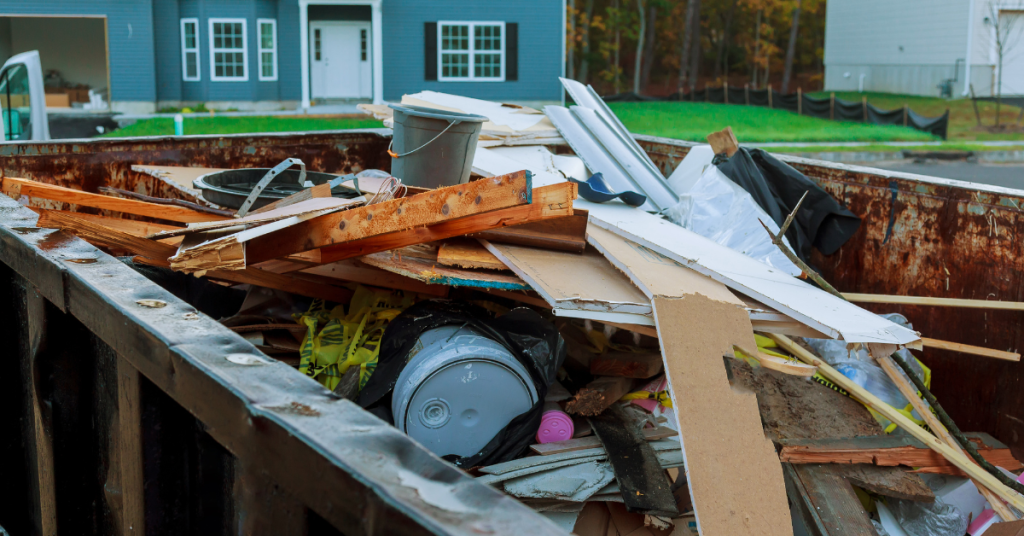
Imagine you’ve just torn out a bathroom: sinks, vanity, tile, maybe some drywall and studs. That is a classic demolition cleanup situation—lots of mixed materials, potentially messy, requires more labor, sorting, heavy hauling. On the other hand, imagine you’re moving and want to remove an old sofa, chairs, mattress and random boxes of junk. That’s junk removal—less complex, fewer regulatory concerns, quicker turnaround.
In the first scenario you’d likely need a service that advertises “post‑demolition cleanup” or “construction debris removal,” whereas in the second you’d call a regular junk removal company that lists furniture and appliance pickup. Looking at Mobile Dump Junk Removal’s offerings, they explicitly list a “Demolition Cleanup” service that handles debris and prepares the construction site.For junk removal they handle furniture, electronics and general clutter. The difference in wording reflects the difference in preparedness, equipment, disposal needs and scale.
When Junk Removal Might Be Enough
For many homeowners or business operators, junk removal is all that is required. If the items to be removed are non‑structural, of moderate size, and you aren’t prepping a site for rebuilding, then a junk removal service is sufficient. These jobs tend to be faster, simpler, and lower cost. If you’re disposed to get rid of clutter, clear a basement, tidy an office, or make space for a move, go with a competent junk removal provider. Just ensure they have a transparent pricing system and handle disposal responsibly.
A good indicator is how many large structural elements or heavy rubble there are. If you’re only dealing with old furniture, electronics or yard waste, you’re in junk removal territory. If you’re dealing with demolished framing, concrete slabs, roofing tiles and similar heavy debris—the cleanup becomes more specialized.
Overlapping Areas & Grey Zones
The line between demolition cleanup and junk removal is not always crystal clear. Some cleanouts may straddle both categories. For example, renovating a room might leave you with leftover furniture plus removed drywall and beams. In that scenario you might need a hybrid approach: a junk removal company that can handle the additional cleanup tasks—or a demolition cleanup service that treats it as a light demolition job.
In these grey zones, clarity is key: describe your job with the provider, request a detailed estimate and verify what’s included. Ask if they consider the job “demolition” or “junk removal” so you know what to expect. Because while both services haul away unwanted materials, the manpower, equipment and disposal demands shift, so pricing and scheduling shift accordingly.
Conclusion
In the end, understanding the difference between demolition cleanup and junk removal is essential for anyone looking to clear space efficiently and responsibly. Demolition cleanup addresses the aftermath of construction or structural changes, involving heavy materials, mixed debris, and sometimes hazardous components. It requires specialized equipment, labor, and proper disposal practices to ensure safety and compliance with regulations. Junk removal, on the other hand, focuses on decluttering homes, offices, or yards by removing furniture, appliances, boxes, and other unwanted items. While both services share the goal of clearing space, the scale, complexity, and approach differ significantly. Choosing the right service ensures the job is completed efficiently, safely, and with minimal disruption. For residents and businesses in Ventura, CA, Mobile Dump Junk Removal provides reliable, professional solutions for both demolition cleanup and general junk removal, offering eco-friendly disposal, same-day service, and expert handling of any cleanup project.