
When the laughter quiets and the swings stop swaying, it’s time to consider that beloved backyard playset may have reached the end of its life. Removing a full‑sized structure isn’t simply about unbolting a few pieces and tossing them away. It’s a careful choreography: inspect, plan, protect the surroundings, and handle materials responsibly. Start by walking around the playset: look for rusted bolts, weakened wood, sagging posts, and uneven ground beneath.
Once the space is secured and tools are in hand, the disassembly should follow a methodical rhythm. Remove swing chains, ladders or slides first, then gradually work your way into the framework from the top down to maintain structural stability. Wear heavy‑duty gloves, protective eyewear and sturdy footwear—splinters, sharp metal edges and unstable frames await if you’re not geared up. If the playset is anchored in concrete or composed of treated wood, extra planning is required: breaking concrete footings demands the correct tools and disposal of treated lumber may fall under strict regulations.
Understanding the Importance of Safe Playset Removal
A playset may feel like just another backyard fixture, but its removal is a considerable undertaking with safety and environmental implications. When materials age—wood splitting, rust taking hold, structural bolts loosening—the risk of collapse or injury during removal increases significantly. These hidden risks mean that rush jobs, improvisational tools or ignoring the condition of the structure invite trouble.
Furthermore, the materials involved in a playset often have hidden disposal requirements. Pressure‑treated lumber, for instance, might contain chemicals that cannot simply be burned or dumped in a regular trash pile. Metals and plastic components may need to be separated for recycling. Neglecting the responsible disposal aspect not only harms the environment but could lead to local code violations or added costs.
Assessing the Playset’s Condition
Your first task is a careful walk‑around inspection of the playset. Start with visible joints and fasteners: are bolts rusted, missing or loose? Are the wood components warped, cracked or rotting? Is the metal tubing bent, corroded or unstable? Are the anchor posts still firmly planted, or has the ground shifted? Understanding the current condition tells you whether the removal is straightforward or if extra precautions—such as additional personnel, specialized tools or a professional service—are required.
Next, evaluate how the playset is secured to the ground. Are there concrete footings or simply driven anchor spikes? Are the posts set in deep holes or shallow ones? Removal of anchored systems demands special attention, especially when those anchors may extend into concrete or cross‑tie into landscape beds or irrigation lines.
Gathering the Necessary Tools and Safety Gear
Before any physical work begins, make sure the right tools and protective equipment are in place. Standard hand tools such as wrenches, screwdrivers, pliers and a pry bar are necessary for removing hardware. If the set has heavy structural beams, bolts on brackets, or concrete anchors, you might need a power drill, reciprocating saw or even small demolition equipment. Gather skip bins or tarps for material collection and disposal.
Safety gear is equally critical. Heavy work gloves will protect hands from rust, splinters and sharp metal edges. Safety glasses or goggles shield eyes from flying debris or dust when cutting or prying. Closed‑toe, non‑slip shoes or boots preserve footing around uneven grass and equipment. Consider wearing a hard hat if overhead work will occur or if there are overhanging limbs.
Creating a Safe Work Environment
A tidy workspace is a safe workspace. Start by clearing away toys, garden tools, furniture or other obstacles within the immediate area surrounding the playset. Provide at least a few metres of clearance in every direction so you can move large pieces safely. Keep the lawn trimmed so that stumps, holes or hidden objects aren’t lurking beneath your feet.
Make sure your staging area for debris and dismantled components is well thought out. Choose a location on your property that won’t block access for vehicles, disrupt landscaping or impede safe movement. If you’re using a truck, trailer or skid, park it so that removal workers have a straight path—reducing the need to carry heavy items long distances. Consider the time of day and weather too: if removal will occur under bright sun or during wet conditions, build in extra breaks, hydration and anti‑slip measures.
Dismantling the Playset Methodically
With planning done, begin with the detachable accessories—the swings, slides, ladders, climbing ropes or nets. Removing these components first clears the path and reduces the chance of unexpected movements when you start pulling out structural pieces. Label or bundle hardware if you think you might reuse any parts, which can save future headaches. Once the smaller parts are removed, shift your focus to the main frame.
Slowly loosen the anchor points, but don’t fully remove large posts until surrounding beams are off. This avoids sudden collapses or structural failures. When dealing with anchored posts, cut them off at ground level if removal is difficult—sometimes leaving a short stump is safer than forcing a full extraction.
Handling Treated Wood and Hazardous Materials
Older playsets are often constructed using pressure‑treated lumber—materials soaked in chemical preservatives to resist rot and insects. If the wood is labeled as treated, you must refrain from burning it or using it in compost. Burning may release toxic smoke, and some disposal sites require special handling. Before you dispose of the wood, check your local waste empowerment guidelines or municipal services: many regions have dedicated drop‑offs for treated lumber or separate recycling streams.
Metal components—chains, brackets, bolts, fasteners—should be checked for rust and stripped of excess debris. Some salvage yards will accept metal hardware for recycling. Plastic slides or panels may be recyclable in your region, provided they’re separated and cleaned. If you suspect lead‑based paint, large rust holes, or older hardware with unknown coatings, consider treating the removal as a light demolition scenario that may require more stringent waste handling.
Recycling and Repurposing Materials
Once dismantled, take a moment to evaluate what can be saved. Many metal brackets and hardware pieces remain functional, often worthy of recycling or reuse. If you find quality untreated wood beams or boards, consider repurposing them—raised garden beds, outdoor benches, or planters provide excellent second lives. This approach reduces waste and also gives a fresh use to materials that still have value.
Schedule a drop‑off trip to the local recycling centre or salvage yard with the sorted materials. Many facilities charge less or may even pay for metal components by weight. Keep detailed records—what goes to recycling, what goes to landfill, what remains for reuse. This kind of diligence doesn’t just benefit your yard—it reflects well on your property stewardship and may provide cost savings compared to lump‑sum disposal.
Disposing of Non‑Recyclable Components
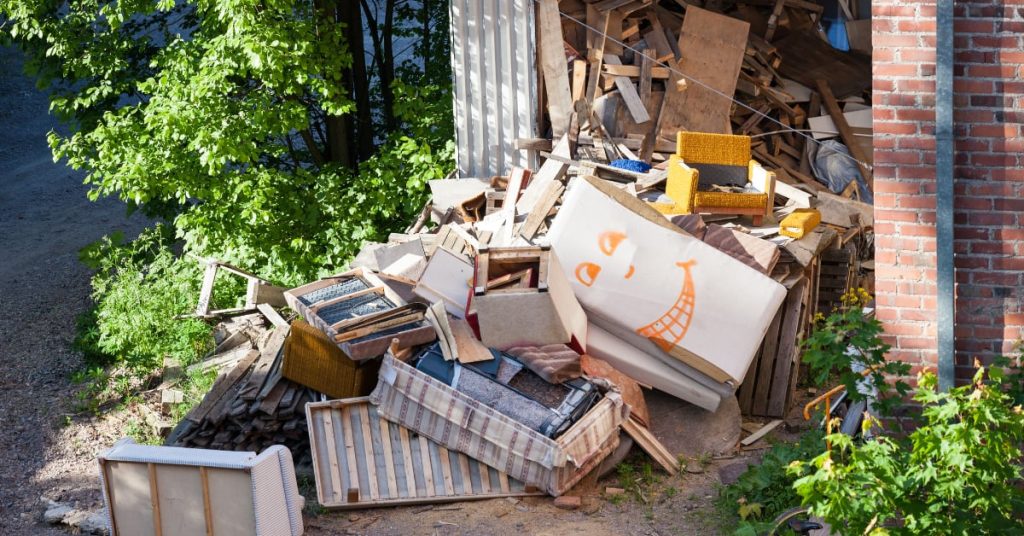
Despite your best efforts, some materials won’t be reusable or recyclable. For these items, confirm your municipality’s bulk item disposal process. Some jurisdictions require large items be scheduled for collection; others expect drop‐off at designated centres. Be attentive to weight limits, fees and whether unbundled materials are accepted.
When transporting debris, secure loads properly in your truck or trailer. Loose boards, nails and hardware can become hazards during transit. Bundle or tie the pieces, cover them with a tarp if traveling on public roads, and follow local disposal regulations regarding hours, location and tipping fees. After dumping non‑recyclable material, clean the transport equipment thoroughly to remove nails, dust or sawdust that might injure later users.
Restoring the Yard Post‑Removal
With the playset gone and debris cleared, attention turns back to the yard. Begin by filling any holes left by anchor posts or support beams. These voids are trip‑hazards and can collect water, leading to unstable ground or mosquito breeding. Use appropriate backfill material—crushed rock or compacted soil—then top with new sod or grass seed to match the surrounding lawn.
Re‑level any uneven ground, especially in areas where heavy pieces were moved or removed. Rake the entire area to reclaim a smooth surface and remove stray nails or hardware. Run your hand or feet lightly over the lawn to detect anything that feels out of place. Once the surface is even, water the area and monitor growth over the next weeks for signs of settling or unevenness.
Considering Professional Assistance
Not every removal project is equal. If the playset is large, heavily anchored in concrete, has extensive rust or rot, or if the area around it is tight or constrained, then hiring professionals may be the smarter path. Professional services arrive with the correct tools, experience and disposal relationships to handle complex playsets efficiently and safely. They can minimise risk to property, avoid injury and reduce time spent on the project.
When hiring a service, check for licensing, insurance and whether they have experience dealing with playsets, treated timber or anchored structures. Ask about their disposal practices—do they recycle metal, are they licensed to take treated wood, and where do they dispose of concrete debris? A reputable provider will treat your removal as they would any small demolition project: planning, protection and restoration.
Conclusion
Deciding to remove a backyard playset is a positive step—opening up space, reducing risk, and allowing you to reclaim your yard. But doing it safely demands more than brute force and a weekend afternoon. You need a solid plan, the right tools and gear, respect for materials and disposal regulations, and an eye toward restoring the area you once cleared. By following the methodical steps laid out here—inspection, planning, clearing the area, dismantling with care, handling materials responsibly, and restoring the yard—you set yourself up for a smoother, safer transition from play structure to open space. For anyone seeking a reliable partner in this process, Mobile Dump Junk Removal in Ventura, CA can assist you every step of the way. Reach them at 805 751‑3744 or via email at mobiledumpremoval@gmail.com.