
When concrete debris is left behind after construction or demolition, it’s far more than just a pile of rubble to ignore. That discarded material holds potential — if you know how to handle it smartly. First, assess the volume, weight and condition of the debris. Concrete is heavy and often contains rebar, wire mesh or other embedded material that complicates disposal. You’ll want to determine whether large chunks might be repurposed on‑site for example as fill or in landscaping or require off‑site removal.
Once you’ve decided on reuse versus removal, implementing a clear plan helps maintain safety and workflow efficiency. For onsite reuse, consider breaking larger slabs into manageable pieces, laying down geotextile fabric, and using the material as structural fill or base for paving. If removal is the chosen path, segregate the concrete from other materials like wood, plastics or hazardous waste. By separating streams, you expedite recycling and avoid disposal surcharges.
Sorting and Preparing the Material
Before hauling concrete debris off site, you’ll need to prepare it properly. Start by removing any contaminants such as asphalt, wood, or metal reinforcements. These materials reduce the recyclability of the debris and may violate recycling facility policies. Break down oversized pieces, and separate rebar or mesh where possible. The cleaner the concrete stream, the more likely it is to fetch favourable disposal or recycling rates.
Next, identify your removal or reuse destination. If you’re sending the material off‑site, contact local recycling centres or special concrete processors to verify acceptance criteria and pricing. Some facilities require concrete to be free of contaminants and delivered in certain load sizes. Others might accept mixed loads but charge more. If you plan to reuse onsite, plot where the concrete will go, ensure proper compaction, and consider drainage and settlement — concrete used as fill still needs to be stable and functionally integrated.
Choosing the Right Removal Service
Selecting a competent removal service can make all the difference in dealing with concrete debris. Look for a provider that is accustomed to heavy, inert loads rather than just standard household waste. A service experienced in construction or demolition clean‑ups will understand the special challenges of concrete: weight, volume, transport logistics, and recycling opportunities. When you engage such a partner, you’re not just hauling debris; you’re engaging in a process that, when done well, saves you time and money.
Another component to vet: environmental credentials and local knowledge. Does the company commit to environmentally responsible disposal? Do they partner with recycling centres and steer material away from landfills? Someone familiar with your region will know which facilities accept concrete, what the tipping fees are, and how to optimize transport. This may even reduce your overall cost if the provider selects the most efficient route.
On‑Site Reuse Options
One of the smarter moves after removing concrete debris is to seek on‑site reuse opportunities, turning what would have been waste into a functional element of your project. Large chunks can be used as structural fill beneath slabs or paving, as retaining‑wall backfill, or as decorative landscape rock. When processed further, crushed concrete aggregate can serve as a sub‑base for driveways or pathways—saving material and providing a greener option than trucking in virgin aggregate.
However, to effectively reuse concrete debris, you must evaluate the condition of the material. Ensure that it isn’t overly cracked, contaminated with metals, or saturated with oil or other substances. Clean concrete aggregates perform better and have fewer complications. Then plan how the material will integrate into your project: consider compaction, drainage, and how the reused concrete will interface with your existing structures.
The Benefits of Recycling Concrete
Recycling concrete debris brings a suite of environmental and economic advantages. Since concrete is mostly inert, it can often be crushed and turned into aggregate for reuse in road base or building foundations. This reduces the demand for virgin aggregates, conserves natural resources, and lowers greenhouse gas emissions associated with mining and transport. Additionally, recycling avoids the landfill tipping fees and transport costs associated with disposing of heavy concrete loads.
Beyond the environmental gains, recycling can deliver tangible cost benefits. Once you factor in debris transport, landfill tipping fees, and possibly longer haul distances for disposal, choosing recycling often ends up being more affordable. Some facilities pay for high‑quality concrete loads, or at least charge less than landfills. If your debris is well‐sorted and free of contaminants, you may even receive a rebate or reduced fee.
Common Pitfalls and How to Avoid Them
Handling concrete debris isn’t without challenges. One common mistake is mixing concrete with large quantities of soil, wood, plastics or asphalt. When the load becomes contaminated, many recycling facilities reject it or charge higher fees. The cleanup ends up costing far more than if the debris was separated in the first place. Another pitfall is underestimating the weight: concrete is heavy, and overloaded containers or trucks can result in surcharges or even safety violations.
To sidestep those issues, begin with clear sorting protocols: keep concrete distinct from other materials, strip out rebar or embedded metal, and communicate with your removal partner about expectations. Use container sizes appropriate for heavy loads, and ensure the transport route and disposal site are approved and capable of handling concrete. Ask questions about how the material will be processed on arrival—will it be recycled, crushed, or landfilled? Clarifying this upfront prevents surprises.
Planning for Transport and Disposal Logistics
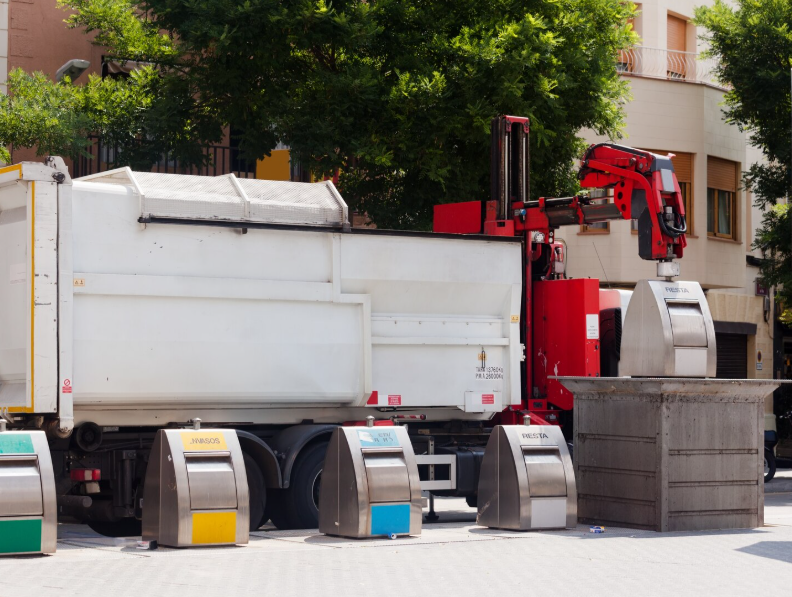
Transporting concrete debris demands specific considerations. Begin by estimating the volume and weight of the debris and then match that to the appropriate container or truck. Standard roll‑off dumpsters often aren’t rated for ultra‑heavy materials, so it’s important to check weight allowances and potential overweight fees. The number of trucks or trips may need adjustment if you’re dealing with large slabs or dense rubble.
Once loading is complete, you’ll want certainty about the destination. Where is the debris going? Is it headed to a recycling centre or landfill? What are the fees? Does the facility accept concrete with rebar or mixed materials? The removal service should provide documentation of disposal or recycling—especially if you’re working on a commercial job or need to show evidence of responsible handling. Scheduling is another logistical aspect: pick‑up times should align with project timelines to prevent debris from accumulating and slowing progress.
Cost Estimation and Budget Considerations
Creating an accurate budget for concrete debris removal is critical. Start by calculating the approximate volume of debris in cubic yards or tonnes. Next, consider transport costs which depend on distance to facility, number of trips, and whether heavy haul equipment is required. Add disposal fees or recycling costs; some recycling facilities charge less, but if the material is contaminated you might face higher rates.
It’s also wise to build in contingency for unexpected conditions: extra embedded metal, buried slabs, unstable ground, or unplanned delays. These factors often arise when you’re removing concrete from older structures or mixed demolition sites. By padding your budget by 10–20 % for surprises, you guard against costly stoppages. On the savings side, explore whether your removal partner offers discounted haulage for clean, sorted loads or whether recycling rebates are available.
Ensuring Compliance and Environmental Responsibility
Handling concrete debris responsibly means adhering to both regulatory requirements and best practice norms. Start by reviewing local waste and construction debris ordinances. Many regions have rules about inert waste, recycled aggregate, and landfill diversion targets. Using a removal partner who is familiar with these regulations—especially in your local area—avoids compliance risks. Another dimension is ensuring environmentally sound disposal or recycling.
Also consider the downstream effects of debris disposal. Rather than seeing concrete as waste, view it as a raw material with potential value. Choosing recycling over landfill supports circular economy objectives and reduces environmental impact. At the same time, ensure safety and environmental safeguards at the transportation and disposal stage: heavy truck movements, dust, noise, and runoff from debris piles can all have an impact.
What Happens After Removal
After the debris leaves your site, the process doesn’t simply end there. Ideally, the removal partner will deliver it to a facility where it is sorted (to remove rebar, wood, asphalt), crushed, and then either used as aggregate or disposed of as inert waste. Some operators might provide you with a certification or receipt noting the material’s final destination, which is important if you need proof for regulatory or warranty purposes. If the concrete is reused onsite, your next steps involve ensuring the reused material is well‑integrated: compacted properly, interfaced correctly with adjacent structures, and monitored for settlement or stability over time.
In addition, take a moment to assess the efficacy of your removal strategy and draw lessons for future projects. Did the timeline hold? Were the debris loads weighed and documented? Did you incur unexpected expenses? Did the material get recycled or landfilled as planned? Gathering this feedback helps refine your approach next time.
Conclusion
Dealing with concrete debris after removal requires more than simply hauling it away. It calls for foresight, preparation and the right partnerships. When you assess the material, separate it properly, choose either reuse or recycling pathways, partner with a professional service and plan for logistics and cost, you transform a bulky waste stream into an efficient component of your project. In this context, a company like Mobile Dump Junk Removal comes into play — as a locally‑based expert in Ventura County offering full‑service junk removal and dumpster rentals that support heavy‑duty construction debris cleanup. Their eco‑friendly practices and customer‑focused approach make them a viable choice for managing concrete and other inert materials responsibly. If you’re looking for dependable service in Ventura, California, you can reach them by phone at 805 751‑3744 or by email at mobiledumpremoval@gmail.com. With careful planning and the right team, even massive bags of concrete don’t have to spell chaos — they can represent an opportunity.