
Drywall removal is a critical step in many home renovation projects, yet it is often underestimated in terms of complexity and potential hazards. At first glance, tearing down a wall may seem as simple as swinging a hammer or prying a panel, but the process involves much more than brute force. Proper removal requires careful planning, attention to safety, and an understanding of the materials involved. Gypsum dust, sharp edges, and heavy panels all present risks that can easily lead to injury or damage if not managed correctly.
Additionally, improper disposal can create environmental problems, as drywall contains materials that must be handled in accordance with local regulations. Beyond safety, efficient drywall removal sets the stage for a smooth renovation, allowing new installations and upgrades to proceed without unnecessary delays. By approaching drywall demolition with preparation, technique, and awareness, homeowners and contractors can protect both themselves and their property while paving the way for a successful renovation.
Understanding the Importance of Proper Drywall Removal
Removing drywall might seem straightforward, yet it involves far more than simply knocking down walls. The process demands careful attention to structural integrity, personal safety, and environmental considerations. Improper removal can lead to accidents, dust inhalation, and damage to surrounding areas. Drywall contains gypsum and sometimes traces of other materials, making its disposal a process that requires thoughtfulness and preparation.
Safety starts with assessing the area and protecting yourself. Dust masks, gloves, eye protection, and durable clothing are essential to prevent irritation or injury from gypsum particles. Removing fixtures, baseboards, or moldings before tackling the drywall itself prevents unnecessary damage. Creating a system for debris collection and controlled removal further reduces the risk of accidents or prolonged exposure to airborne dust. By valuing safety and preparation, homeowners or contractors can approach drywall removal with confidence, ensuring the project is carried out smoothly and with minimal disruption to the home environment.
Preparing Your Space for Drywall Demolition
Before any hammer swings or panels are torn down, preparation is key. Protecting floors with tarps or heavy-duty coverings prevents scratches, dents, or staining that often accompany demolition work. Clearing furniture and delicate items from the room ensures that falling debris does not cause damage or create obstacles. Electrical outlets, switches, and plumbing must be identified and handled carefully, as accidental contact can lead to serious injury or expensive repairs.
Preparation also extends to understanding how to segment the drywall for removal. Large panels can be heavy and awkward to maneuver, so cutting them into manageable sections with a utility knife or drywall saw reduces strain and improves control. Dust containment strategies, such as plastic sheeting over doorways and ventilation through windows, minimize airborne particles from traveling throughout the home. Tools should be ready and within reach to avoid unnecessary interruptions, and disposal containers or designated spaces for debris must be organized beforehand.
Techniques for Safe Drywall Removal
The physical act of removing drywall demands more than brute force; it requires technique and precision. Starting at the top corner of the panel, a pry bar can gently detach the drywall from studs without compromising the underlying structure. Applying measured force helps prevent cracking, splintering, or unnecessary damage to adjacent surfaces. Once loosened, panels can be lowered carefully to the floor, minimizing dust clouds and hazards. Proper technique ensures that both the workspace and the removed materials remain manageable, reducing cleanup effort later on.
For areas with screws or nails, drilling or cutting around the fasteners allows panels to separate cleanly. Avoiding wild swings or rushed movements is critical, as uncontrolled force may injure hands or eyes. Teamwork can be beneficial when removing large sections, distributing weight and ensuring control over falling pieces. By implementing methodical removal strategies, drywall demolition becomes a controlled, predictable process. Attention to technique and awareness of one’s surroundings allows both professional contractors and DIY enthusiasts to complete the job efficiently while preserving safety and minimizing damage to the surrounding environment.
Managing Dust and Air Quality During Removal
Gypsum dust is a major concern during drywall removal, capable of causing respiratory irritation, eye discomfort, and lingering mess throughout the home. Controlling dust begins with personal protective equipment, including respirators and goggles, and extends to environmental controls such as fans, air purifiers, and sealed doorways. Minimizing dust spread protects both workers and occupants, ensuring a healthier indoor environment during and after the demolition process. Proper dust management is not a luxury but an essential safety measure that safeguards health and reduces cleaning time post-demolition.
Strategic techniques can further limit airborne particles. Removing drywall in sections and lowering panels carefully prevents sudden clouds of dust, while keeping the area damp with light misting reduces particles from becoming airborne. Plastic sheeting in adjoining rooms and hallways, along with careful disposal into covered containers, confines the mess. Regularly sweeping or vacuuming the workspace maintains visibility and prevents slippery debris from accumulating. By prioritizing air quality, homeowners maintain a safe and breathable environment throughout the demolition process, ensuring that cleanup and renovation proceed without lingering hazards.
Disposing of Drywall Responsibly
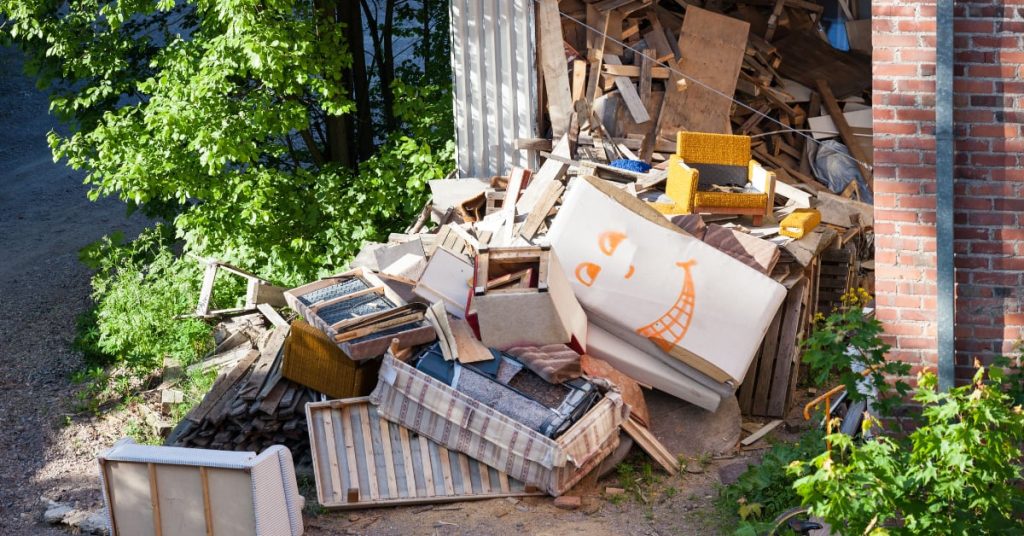
Disposal of drywall is not simply a matter of dragging it to a trash pile. Proper disposal considers environmental impact, local regulations, and recycling opportunities. Many landfills have specific guidelines for gypsum materials, as improper disposal can contribute to soil and water contamination. Understanding these requirements before demolition begins prevents fines, delays, or ecological harm. Responsible disposal ensures that the project concludes with minimal environmental footprint and adherence to legal and community standards.
Recycling drywall is increasingly feasible, with facilities capable of repurposing gypsum into new building materials or soil amendments. Sorting debris by material type—wood, metal, drywall, and plastics—simplifies recycling and maximizes sustainability. Professional junk removal services often handle both collection and lawful disposal, streamlining the process and eliminating the burden on homeowners. By integrating environmental responsibility into drywall removal, projects achieve both practical and ethical success, contributing to cleaner neighborhoods and reduced waste streams.
Dealing with Hazardous Materials in Older Drywall
Older homes may contain drywall that harbors asbestos or lead-based compounds, presenting unique risks. Testing suspect materials before demolition is essential, as exposure to these substances can lead to severe health consequences. Specialized removal procedures, personal protective equipment, and proper disposal channels are mandatory when hazardous materials are involved. Ignoring these risks can result in contamination, health hazards, and legal penalties. Safety and caution are non-negotiable elements of responsible demolition in older structures.
When hazardous materials are detected, professional intervention becomes crucial. Certified contractors trained in asbestos or lead handling can safely remove, package, and transport materials according to regulations. DIY attempts in these scenarios are strongly discouraged due to the complexity and risk involved. Recognizing potential hazards before starting demolition protects everyone involved, ensures compliance with safety standards, and preserves the integrity of the home environment. Knowledge and prudence transform a potentially dangerous task into a carefully managed process.
Post-Demolition Cleanup and Organization
Once drywall is removed, the work is far from complete. Cleanup requires meticulous attention to remove residual dust, debris, and fragments that may damage flooring, furniture, or ventilation systems. Vacuuming with HEPA filters, wiping surfaces, and sweeping corners ensures the space is ready for the next phase of renovation. Organizing debris for disposal or recycling prevents clutter and safety hazards from accumulating, maintaining an orderly work environment. Effective post-demolition cleanup is as important as the removal itself, laying the foundation for a successful renovation project.
Organization extends to documenting the demolition process, noting any damage or structural observations that may impact future renovations. Remaining drywall, tools, and protective materials should be stored or discarded appropriately to prevent accidents. A clean, organized site also enhances productivity and safety for workers or homeowners preparing for subsequent construction. By emphasizing thorough cleanup and systematic organization, drywall removal concludes not only as a demolition task but as a comprehensive, carefully managed step toward home improvement.
When to Consider Professional Drywall Removal Services
Some projects demand professional expertise due to complexity, volume, or safety considerations. Large-scale renovations or older homes with potential hazards are prime examples where hiring professionals ensures efficient and safe removal. Experienced contractors possess the tools, knowledge, and disposal channels to handle drywall swiftly and responsibly, minimizing risk and stress for homeowners. Professional intervention guarantees adherence to local regulations and safety standards while maintaining project momentum.
Professionals also offer additional benefits such as debris hauling, recycling, and restoration preparation, which may be challenging for DIY enthusiasts to manage effectively. Their experience reduces the likelihood of accidents, structural damage, and air quality issues, ultimately saving time and effort. Engaging a trusted service transforms drywall removal from a strenuous chore into a streamlined, predictable part of the renovation process. Knowing when to call in experts reflects prudence and commitment to achieving high-quality renovation results.
Conclusion
Proper drywall removal and disposal are critical steps in any renovation project, demanding a careful balance of safety, technique, and environmental responsibility. Understanding the nuances of demolition, from preparation to dust management and responsible disposal, ensures the process is efficient and minimizes risk to both occupants and the home itself. Incorporating systematic strategies, protective equipment, and organized workflows transforms what could be a messy, hazardous task into a controlled, productive phase of home improvement. Adhering to best practices not only protects health and property but also enhances the quality and longevity of the renovated space.
For homeowners or contractors in need of reliable drywall removal services, professional support streamlines every aspect of the process. Mobile Dump Junk Removal in Ventura, CA, provides expert handling, environmentally responsible disposal, and efficient debris management, ensuring every project concludes safely and successfully. Contact them at 805 751‑3744 or via email at mobiledumpremoval@gmail.com for dependable assistance with drywall removal and related renovation services. Partnering with experienced professionals transforms challenging demolition projects into seamless, worry-free experiences.