
Playsets bring joy, adventure, and hours of entertainment to any backyard, but there comes a time when they outlive their usefulness or need to be replaced. Removing a playset is often seen as a daunting task, but with proper planning and strategy, the process can be surprisingly smooth and efficient. Whether the structure is small or sprawling, wooden or metal, the key to success lies in understanding the project’s scope, preparing the right tools, and organizing the workspace to minimize disruptions.
Beyond simple dismantling, effective removal involves safety precautions, debris management, and careful handling of components to avoid damage or injury. Many homeowners underestimate the complexity of this task, which can lead to wasted time, unexpected complications, and unnecessary stress. By approaching playset removal systematically, you can streamline every step from disassembly to disposal, leaving your backyard safe, clear, and ready for new possibilities. A thoughtful approach ensures the project is efficient, controlled, and even enjoyable.
Understanding the Scope of Your Playset Project
Playset removal is far more than simple disassembly; it is a carefully orchestrated process that requires thorough planning and foresight. To begin, understanding the scope of your project involves assessing the size, type, and condition of the playset. Wooden structures may demand meticulous handling to avoid splintering, whereas metal frames require proper tools and knowledge to safely unbolt components. It is equally important to evaluate the surrounding area. Tight spaces, uneven ground, or nearby landscaping can impact how you approach the removal process.
Identifying obstacles early enhances productivity and prevents unnecessary interruptions. Items such as garden installations, decorative features, or other backyard furniture may need temporary relocation to create a functional workspace. Weather considerations also play a role, as a wet or windy day can slow progress and increase hazards. Additionally, planning for debris management in advance ensures that you have a clear system for sorting, recycling, or disposing of materials as they are removed.
Gathering the Right Tools and Equipment
Having the right tools on hand is crucial to efficient playset removal. Essential items include wrenches, screwdrivers, hammers, and saws suited to the materials involved, whether wood, metal, or plastic. Adjustable wrenches and socket sets allow you to handle bolts of varying sizes without unnecessary delays. Safety equipment is equally important; gloves, protective eyewear, and sturdy footwear prevent injuries that could halt progress. Additionally, equipment to assist with lifting, such as dollies, ropes, or straps, ensures heavy components can be moved safely and efficiently.
Power tools further enhance speed and efficiency. Electric drills, reciprocating saws, and impact drivers reduce manual effort and accelerate disassembly of large components. Testing and maintaining these tools beforehand ensures they function correctly without unexpected breakdowns, keeping the project on track. Organizing your workspace by grouping tools according to the sequence of use allows for seamless transitions between tasks.
Strategizing Disassembly for Maximum Efficiency
The order in which you dismantle a playset significantly affects efficiency. Beginning with removable accessories like swings, slides, and ropes reduces bulk and prevents cumbersome movement of large sections. Once smaller items are cleared, larger structural elements such as platforms, beams, and support posts can be removed in a controlled manner. This methodical approach ensures stability during disassembly and minimizes the risk of components collapsing unexpectedly.
Assessing connection points before dismantling allows for safer and faster removal. Understanding which bolts, screws, or brackets secure major sections prevents unnecessary backtracking and minimizes frustration. Some playsets may require partial disassembly to access hidden fasteners, making pre-assessment crucial. Implementing a step-by-step strategy also preserves reusable materials that may have resale or repurposing value. By approaching disassembly with foresight, you reduce effort, maintain control over the project, and ensure that each action contributes to a seamless, efficient progression toward complete removal.
Managing Waste and Debris Efficiently
Playset removal generates substantial debris, including wood fragments, metal parts, and plastic accessories. Organizing this waste efficiently is essential for both safety and productivity. Establishing designated areas for sorting items by material type allows for recycling and proper disposal without slowing down the removal process. Collecting nails, screws, and other small hardware ensures the work area remains safe for everyone, including children or pets, while preserving potentially reusable components. Maintaining an orderly workspace throughout the project prevents clutter, allowing team members to move freely and handle large sections of the playset with ease.
Effective debris management also aligns with environmentally responsible practices. Metals and untreated wood can often be recycled or repurposed, reducing the volume sent to landfills. Plastics and other materials can be directed to local recycling programs. Having containers or designated piles prepared from the beginning simplifies cleanup and ensures the area is left in a neat, usable condition. By incorporating cleanup into every stage of removal, you maintain a more efficient workflow and avoid last-minute chaos, leaving your outdoor space ready for new projects or improvements.
Ensuring Safety Throughout the Removal Process
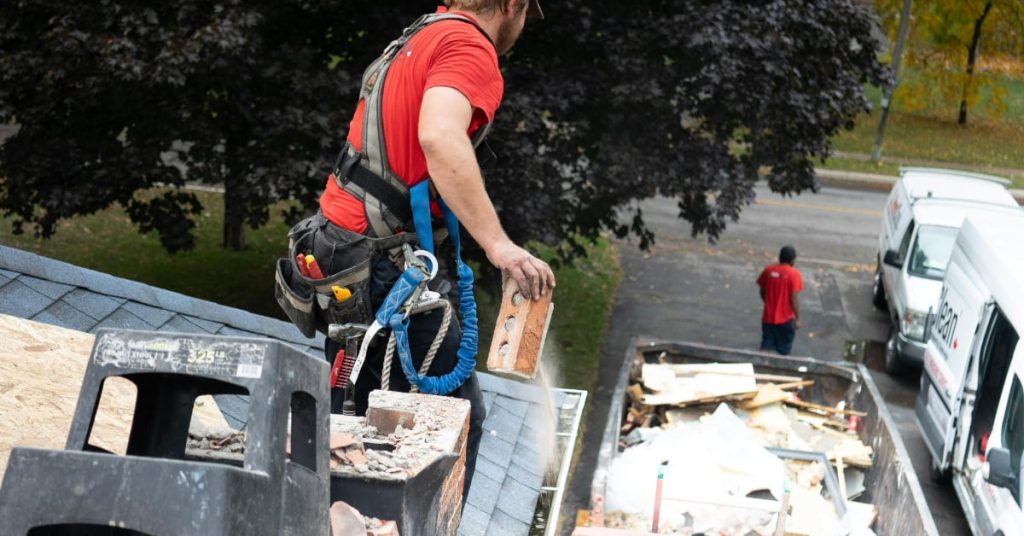
Safety is a non-negotiable element of playset removal. Heavy components, sharp edges, and unstable structures present significant risks that require careful mitigation. Protective clothing, including gloves, sturdy footwear, and eye protection, is essential to prevent injuries. Clear communication among team members is critical, particularly when moving heavy or awkward pieces. Establishing a routine for safe lifting techniques and scheduled breaks helps prevent fatigue-related accidents and maintains productivity throughout the project. Anticipating hazards before they arise ensures that the removal process progresses smoothly while minimizing the risk of injury.
Monitoring both tools and the playset’s condition is another key safety factor. Weak wood, rusted bolts, and corroded metal may fail unexpectedly if not handled properly. Reinforcing unstable sections or using mechanical aids when lifting heavy components prevents sudden collapses. Keeping the workspace free of debris and clearly marking hazard zones reduces tripping and slipping risks. A proactive safety approach protects both personnel and property, ensuring that the project can be completed efficiently without incident. Prioritizing safety guarantees a more productive and stress-free removal process.
Planning for Post-Removal Space Use
Thinking ahead about how the cleared area will be used allows for a smooth transition once the playset is removed. Fully clearing the space enables immediate landscaping, planting, or installation of new recreational equipment. Evaluating the ground for leveling, drainage, or soil quality ensures that future projects can begin without additional preparation. Anticipating post-removal needs saves time, prevents rework, and maintains a functional and visually appealing yard. Proper planning enhances the value of the outdoor space while keeping the project organized and efficient.
Storage or disposal of removed components is another factor in long-term space management. Salvaging reusable parts or selling them for repurposing keeps the area uncluttered while extending the lifespan of materials. Documenting the dismantled components through photos or labels can also simplify future assembly if necessary. By addressing these elements in advance, homeowners can maximize efficiency and ensure a smooth transition from removal to next steps, leaving a well-prepared outdoor space ready for use or improvement.
Hiring Professional Help to Optimize the Process
Engaging professionals can dramatically improve efficiency during playset removal. Experts bring specialized knowledge, proper tools, and experience that allow tasks to be completed faster and more safely than most homeowners could manage on their own. Their understanding of various playset designs enables them to anticipate challenges, prevent property damage, and streamline dismantling. Professional teams also reduce personal risk and physical strain while adhering to proper debris management and disposal practices. Hiring experts ensures the removal process is both fast and reliable.
Professional services often include transportation and responsible disposal, which is particularly helpful for large or complex playsets. This all-in-one solution eliminates the need for multiple trips to recycling facilities or managing heavy debris alone. By relying on trained personnel, homeowners gain peace of mind, save time, and enjoy a seamless experience from start to finish. Professional assistance maximizes efficiency while ensuring that every stage of the project meets safety, organizational, and environmental standards.
Evaluating Material Salvage and Reuse Opportunities
Playset removal offers opportunities to salvage materials for future projects, which can reduce waste and save money. Wood beams, bolts, and metal brackets can often be repurposed for DIY backyard projects or furniture. Assessing each component for structural integrity and suitability for reuse ensures that valuable resources are not discarded unnecessarily. By planning salvage strategies ahead of time, homeowners can optimize the removal process while gaining potential benefits from repurposed materials.
Recycling and donation are also viable options. Metal components can be taken to scrap yards, while plastics or smaller playset accessories may be donated to community programs. Organizing materials during the disassembly process facilitates these efforts, making it easier to separate items according to their potential future use. Integrating salvage and reuse considerations into your workflow enhances overall efficiency while promoting environmentally conscious practices. This approach maximizes the value of materials and reduces the environmental impact of removal projects.
Conclusion
Maximizing efficiency during playset removal requires careful planning, systematic disassembly, diligent safety measures, effective debris management, and forward-looking considerations for the cleared space. Each step, from evaluating the structure to sorting waste, contributes to a faster, safer, and more controlled process. While some homeowners attempt DIY removal, professional assistance often provides the greatest benefits in time savings, safety, and convenience. Experts bring the knowledge, tools, and manpower necessary to complete the project efficiently, reducing physical strain and ensuring proper disposal.
For reliable playset removal in Ventura, CA, Mobile Dump Junk Removal provides professional services to handle disassembly, debris management, and disposal with care and expertise. Their team ensures a smooth and efficient process while keeping your outdoor space safe and organized. Contact them at 805 751‑3744 or via email at mobiledumpremoval@gmail.com to schedule a service that transforms your backyard efficiently and responsibly.