
Clearing out an old shed is often the hidden first step toward transforming a cluttered yard into a functional and inviting outdoor space. Sheds can become silent accumulators of forgotten tools, broken equipment, and other miscellaneous items that no longer serve a purpose. Over time, they not only occupy valuable yard space but can also become safety hazards as they deteriorate. Demolishing a shed is not merely about removing a structure; it is a deliberate act of creating opportunity. It opens a blank canvas where homeowners can rethink how they use their outdoor environment.
Shed demolition also serves as a psychological reset for homeowners. Watching a once-dominant structure come down can inspire creativity and a sense of accomplishment. The cleared space can be repurposed for a variety of purposes, from a new garden area to an outdoor seating zone or a play area for children. Efficient removal of the shed’s debris is crucial to avoid lingering mess that can undo the sense of order the demolition creates.
Assessing the Shed and Planning the Demolition
Before swinging the first hammer, a thorough assessment of the shed’s condition is essential. Understanding the materials used, such as wood, metal, or composite panels, informs the approach to demolition. Old sheds may have weakened foundations or rotted sections that could collapse unexpectedly if not handled correctly. Mapping out the structure, noting the placement of doors, windows, and support beams, helps prevent surprises during the teardown.
Planning for debris disposal is an equally important aspect of preparation. The shed may contain nails, screws, or hazardous materials such as asbestos siding in older models. Identifying these elements beforehand allows homeowners or contractors to take necessary precautions. Sorting materials for recycling or repurposing can reduce environmental impact and potentially lower disposal costs. Preparing the space around the shed, including creating clear paths for removal of large pieces, streamlines the process and reduces labor strain.
Tools and Safety Precautions for Shed Demolition
Selecting the right tools for shed demolition can make the process faster, safer, and less physically demanding. Commonly used equipment includes sledgehammers, pry bars, reciprocating saws, and crowbars, depending on the shed’s construction. For larger or metal-framed sheds, additional power tools may be required. Protective gear is non-negotiable during demolition. Gloves, safety goggles, sturdy footwear, and helmets shield against flying debris and sharp edges.
Safety precautions extend beyond physical gear. A controlled approach to dismantling the structure minimizes the risk of collapse and injury. Starting from the roof and moving downward allows the weight to be gradually reduced. Nails and screws should be removed or hammered inwards to avoid puncture hazards. Additionally, securing the perimeter ensures that children, pets, or bystanders remain at a safe distance. Planning for emergency scenarios, such as accidental cuts or falling debris, reinforces preparedness.
Step-by-Step Shed Demolition Process
The demolition process begins with the removal of smaller, detachable components such as shelves, doors, and windows. Clearing these elements first reduces obstacles and makes the main structure easier to handle. Once the shed is emptied of loose items and hazardous materials, the roof is typically addressed. Depending on its construction, the roof can be dismantled in sections, allowing controlled deconstruction. After the roof, walls are methodically taken down.
After the walls, attention shifts to the floor and foundation. Concrete slabs may require specialized equipment for breaking and removal, while wooden floors can be pried up and sorted for disposal. Ensuring that all debris is gathered and removed from the site as the demolition progresses prevents accumulation that could impede further work or pose hazards. This phased approach allows for constant assessment of structural stability, protecting both the individuals performing the work and the surrounding environment.
Managing and Disposing of Shed Debris
Proper debris management is a critical element of any demolition project. Sheds contain a mix of materials that may be recyclable, reusable, or designated as waste. Separating wood, metal, and plastics during the teardown simplifies disposal and promotes environmentally responsible practices. Avoiding haphazard dumping prevents injury and protects local ecosystems. Homeowners can arrange for rental dumpsters, enlist professional junk removal services, or transport materials to recycling centers.
Recycling and repurposing shed materials can extend their life cycle and reduce landfill contributions. Wooden beams might be reused in garden projects, while metal panels can be melted down or sold to scrap yards. Even smaller items like nails, screws, or brackets can be collected for future use. Hazardous materials, including treated wood or asbestos siding, require special handling and disposal methods to meet environmental regulations.
Transforming the Yard Post-Demolition
Once the shed has been removed, the cleared space offers endless possibilities for reimagining the yard. Homeowners can install gardens, create play areas, or expand lawns and patios. The demolition provides a fresh starting point, free of the constraints imposed by old structures. Landscape design can be approached creatively, incorporating the natural contours of the yard, sunlight patterns, and desired aesthetic elements.
Transforming the yard also involves leveling and preparing the soil where the shed once stood. Removing leftover debris, compacting uneven areas, and planting grass or ground cover ensures stability and attractiveness. Irrigation systems may need adjustments or extensions to accommodate new layouts. Integrating functional elements like seating, planters, or pathways adds dimension and usability to the space.
Choosing Between DIY and Professional Shed Demolition
Deciding whether to tackle shed demolition on your own or hire professionals requires careful consideration of time, skills, and resources. DIY projects may appeal to homeowners looking to save money, but they often demand significant physical labor, knowledge of safe dismantling techniques, and proper handling of hazardous materials. Misjudging the structure’s stability or using improper tools can lead to injuries or unintended property damage.
Hiring professionals can also provide a strategic advantage when planning for the yard’s future use. Experienced demolition teams can offer advice on site preparation, soil leveling, and potential landscaping ideas, helping to maximize the space’s functionality. They are also familiar with local regulations, ensuring that all permits and legal requirements are met, which is especially important for larger sheds or older structures. Additionally, professional demolition minimizes the risk of leaving behind hidden hazards such as nails, screws, or toxic materials, which can interfere with future gardening or construction projects.
Environmental Considerations During Shed Demolition
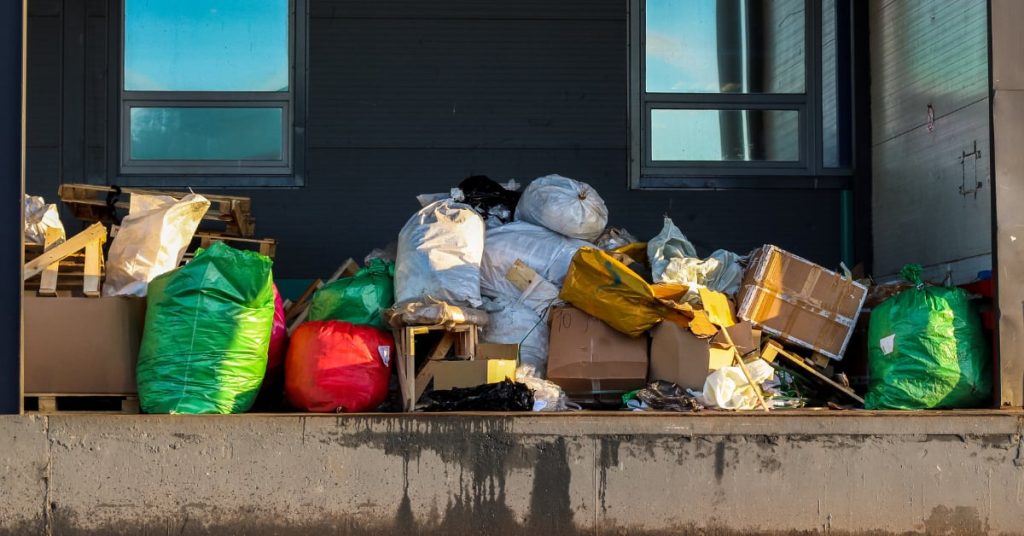
Shed demolition does not have to leave a negative mark on the environment. Properly managing waste, recycling materials, and avoiding harmful disposal practices are crucial to reducing ecological impact. Many sheds contain wood, metal, plastic, or composite materials that can be repurposed or recycled rather than dumped in landfills. Wood can be chipped for mulch, while metal can be melted down or sold to scrap facilities. Even smaller components like screws and brackets can be collected for reuse in future projects.
Environmental considerations also extend to the demolition methods themselves. Using controlled techniques that minimize dust, debris scatter, and noise pollution benefits both the immediate neighborhood and the broader ecosystem. Covering piles of debris, wetting surfaces to reduce airborne particles, and separating materials before disposal can prevent contamination of nearby plants, soil, and water sources. Additionally, partnering with professional junk removal services often guarantees that materials are processed responsibly and recycled when possible.
Overcoming Common Challenges in Shed Demolition
Shed demolition is rarely without challenges, particularly when dealing with older structures or confined spaces. Overgrown vegetation, proximity to fences or homes, and hidden structural weaknesses can complicate the process. Rotting wood, rusted nails, or brittle panels may collapse unexpectedly, making careful planning and methodical execution essential. Weather conditions can also impact safety and efficiency, as wet or icy surfaces increase the risk of slips and structural instability.
Many of these challenges can be mitigated through proper preparation and strategic problem-solving. For example, clearing vegetation, marking boundaries, and pre-cutting large panels make the teardown safer and faster. Utilizing professional-grade tools, or even hiring specialists for particularly stubborn or complex sheds, ensures that every aspect of the process is manageable. Homeowners can also plan for staggered removal, tackling one section at a time to maintain control and avoid overwhelming piles of debris.
Maximizing Yard Potential After Shed Removal
Removing a shed opens up opportunities to reimagine and maximize the potential of outdoor spaces. The newly cleared area allows homeowners to introduce features such as gardens, patios, play areas, or outdoor kitchens. Planning the space based on sunlight exposure, soil quality, and personal lifestyle ensures that the yard remains functional and aesthetically pleasing. Clearing away the shed provides a blank canvas that encourages creativity, whether designing for leisure, gardening, or entertaining.
Beyond aesthetics, shed removal creates functional advantages as well. Landscaping projects can now be implemented without obstructions, from planting flower beds to installing irrigation systems or pathways. For families, the cleared space may become a safe play area for children or pets, increasing the usability of the yard. Outdoor events, social gatherings, and gardening tasks become easier to manage, thanks to the open layout.
Conclusion
Taking down an old shed represents more than simply clearing space; it is the first crucial step toward creating an organized and functional yard. Proper assessment, strategic planning, safety considerations, and meticulous debris management ensure that the process is efficient, safe, and environmentally responsible. Each stage, from initial preparation to post-demolition cleanup, contributes to a smoother transition from cluttered to curated outdoor space. Homeowners can repurpose the area to fit their lifestyle, whether through gardening, recreation, or aesthetic enhancements, turning demolition into an opportunity for innovation and renewal.
For professional shed demolition services and reliable debris removal, Mobile Dump Junk Removal in Ventura, CA provides efficient and responsible solutions. Their experienced team manages every step of the process, ensuring safety and minimal disruption to your property. You can reach them at (805) 751‑3744 or via email at mobiledumpremoval@gmail.com to schedule your shed removal and begin the journey toward a cleaner, more organized yard.