
Renovating a bathroom is one of the most transformative home improvement projects, but before you can enjoy sleek new fixtures and modern designs, there is a critical first step that sets the tone for the entire renovation: bathroom demolition. While it may sound straightforward, removing outdated tiles, cabinetry, and plumbing fixtures involves more than just swinging a hammer and tearing things apart. Without proper preparation, demolition can quickly become chaotic, time-consuming, and even hazardous.
From hidden plumbing lines and electrical wiring to potential mold or asbestos in older bathrooms, understanding the intricacies of the space you are working in is essential for a safe and effective project. Equipping yourself with the right tools, following safety protocols, and planning the disposal of debris are all key elements that can make or break the success of your demolition. Approaching this stage methodically not only safeguards your home but also ensures that your renovation starts on solid ground.
Planning Your Bathroom Demolition
Embarking on a bathroom demolition without a solid plan can quickly turn a simple project into a chaotic ordeal. Understanding the scope of work beforehand is essential. Begin by evaluating which elements of your bathroom require removal, from old tiles and cabinetry to plumbing fixtures and countertops. A thorough plan will prevent unnecessary delays and allow for a more organized workflow.
Scheduling and preparation are equally important in bathroom demolition. Identify the tools and equipment required for removing heavy items safely and efficiently. Consider whether you will need professional assistance for certain tasks, such as handling plumbing or electrical systems. Preparing the space before starting demolition is vital to protect the surrounding areas from dust, debris, and accidental damage.
Safety Precautions During Demolition
Bathroom demolition involves a mix of heavy lifting, sharp tools, and potential exposure to hazardous materials, making safety a top priority. Before swinging a hammer or prying up tiles, ensure that all utilities are properly shut off, including water, gas, and electricity. Wearing appropriate protective gear such as gloves, safety glasses, and a dust mask is essential to avoid injuries and respiratory issues. Additionally, understanding how to handle asbestos or mold safely is crucial, especially in older bathrooms where these materials may be present. Ignoring safety measures can lead to serious accidents and prolonged health issues, so investing time in preparation pays off.
Equally important is maintaining a controlled demolition environment. Establish boundaries to keep pets, children, and other household members away from the work area. Work methodically, breaking down materials in manageable pieces rather than forcing large sections at once. Using the proper tools for each task reduces strain on your body and prevents damage to structural elements you intend to preserve. Stay mindful of the surrounding surfaces to avoid unintended destruction, and dispose of sharp or heavy debris safely.
Essential Tools for Effective Demolition
Equipping yourself with the right tools is fundamental to achieving a smooth bathroom demolition. Simple hand tools such as hammers, pry bars, and utility knives form the backbone of most projects, while power tools like reciprocating saws or rotary hammers can significantly speed up the removal of tiles, cabinets, and other fixtures. Choosing the right tools not only improves efficiency but also reduces the risk of injury by allowing you to work more effectively.
Knowing how to use each tool properly is just as critical as having them available. For instance, a reciprocating saw can efficiently cut through walls or cabinetry, but improper handling can damage underlying plumbing or wiring. Similarly, a pry bar can remove tiles or cabinetry, but applying excessive force may crack flooring or walls. Take the time to familiarize yourself with each tool, including proper grips, angles, and safety precautions. Additionally, consider the ergonomics of your work, using tools that minimize strain on your back, wrists, and shoulders. With the correct combination of tools and knowledge, bathroom demolition becomes a manageable, even satisfying task that prepares the space for your renovation goals.
Handling Waste and Debris
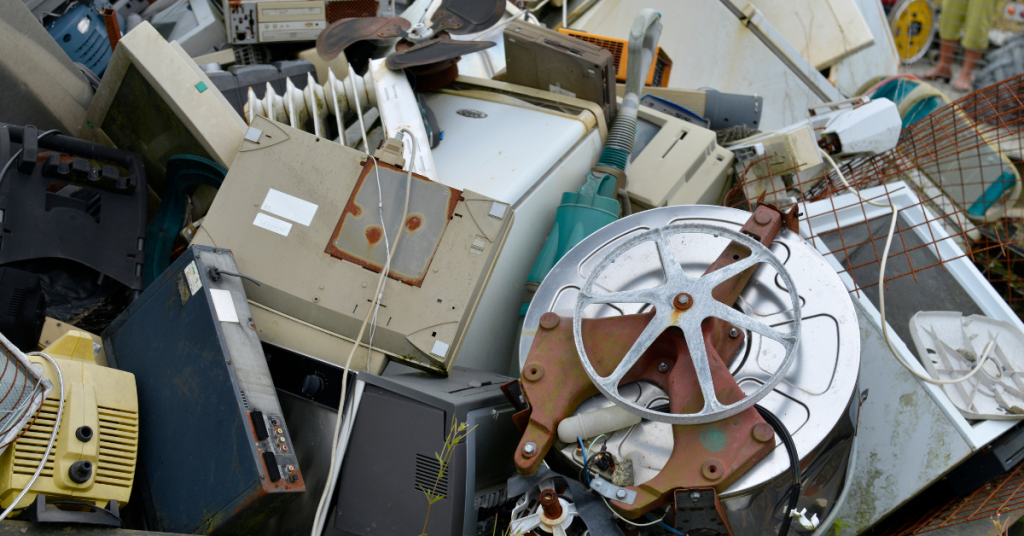
Demolition inevitably generates significant debris, from broken tiles and drywall to plumbing components and old fixtures. Managing this waste effectively is crucial for maintaining a safe, organized workspace. Begin by setting up a dedicated disposal area and sorting debris by type for recycling or disposal. Keeping the demolition site clean prevents accidents and streamlines the removal process.
Understanding local regulations and disposal options is another key aspect of debris management. Many municipalities have specific guidelines for disposing of construction waste, particularly items such as hazardous materials, plumbing components, or electronics. Coordinating with a professional removal service can simplify this process, saving time and avoiding fines. Additionally, proper disposal protects your home and neighborhood from contamination and ensures that recyclable materials are processed correctly.
Preparing for Renovation After Demolition
Once the demolition phase is complete, the space should be clean, level, and ready for your renovation plans. Inspect walls, floors, and plumbing systems for any hidden damage that may require repair before installation of new fixtures. This proactive assessment prevents costly issues from arising during the renovation process. Ensure that all debris has been removed and that the workspace is free from dust or residues that could interfere with adhesives, paint, or tiles. Taking these preparatory steps establishes a solid foundation for the next stage of your bathroom transformation.
Beyond physical preparation, planning the layout and design of your new bathroom while the space is clear can optimize workflow and prevent mistakes. Review measurements, confirm fixture placements, and visualize how plumbing and electrical systems will integrate with your design. Having a clean, open space allows for accurate installation and reduces the likelihood of errors during renovation. A well-prepared demolition site can make the transition to renovation smoother, faster, and more satisfying, ultimately contributing to a final result that aligns with your vision and expectations.
Assessing the Structural Integrity of Your Bathroom
Before you begin removing any fixtures or surfaces, it’s vital to evaluate the structural integrity of your bathroom. Older homes, in particular, may have hidden issues behind walls or under floors that can complicate demolition. Inspect for signs of water damage, wood rot, or weakened subflooring, as these conditions can affect the safety and ease of the project.
Once structural weak points have been identified, you can develop a demolition strategy tailored to your bathroom’s unique needs. This may involve reinforcing certain areas before removal or consulting a professional for particularly delicate sections. Consider the location of load-bearing walls, plumbing lines, and electrical conduits when planning your approach. Taking a methodical, measured approach ensures that demolition proceeds safely and reduces the likelihood of damaging essential infrastructure.
Dealing with Plumbing and Electrical Considerations
Bathroom demolition is not just about removing tiles or cabinetry; it involves careful attention to plumbing and electrical systems that may be hidden behind walls or under flooring. Shutting off the main water supply and electricity is the first critical step to prevent accidents. Any fixtures, pipes, or wiring must be carefully disconnected or capped before removal.
In addition to shutting off utilities, it’s crucial to handle the removal of plumbing and electrical components properly. Pipes may need to be cut or removed without disturbing the overall system, while wiring should be carefully traced and disconnected. If you’re unsure about any connections, consulting a licensed professional is highly recommended, as improper handling could result in major repairs or safety issues.
Protecting Adjacent Areas and Preventing Damage
One of the most overlooked aspects of bathroom demolition is protecting the surrounding areas. Dust, debris, and accidental impact can easily damage adjacent rooms, flooring, or furniture. Before you begin, take time to seal off the bathroom from the rest of the home using plastic sheeting or temporary barriers. Remove or cover any furniture and fixtures nearby to prevent scratches or stains.
In addition to physical barriers, consider how tools and heavy materials will be handled to avoid unintended damage. Using drop cloths, protective tape, and proper lifting techniques can prevent scratches, dents, or cracks in walls and floors. Plan a debris pathway to avoid dragging heavy items across finished surfaces. Taking the time to protect adjacent areas may seem tedious, but it ultimately results in a smoother, less stressful demolition experience.
Planning for Unexpected Challenges
No bathroom demolition project ever goes exactly as planned. Hidden mold, outdated plumbing, or unforeseen structural issues often emerge once walls and fixtures are removed. Preparing for these surprises can save both time and money. Always budget extra time for unexpected repairs and remain flexible with your schedule. Knowing that surprises may arise allows you to maintain a calm, methodical approach and prevents rushed decisions that could compromise safety or quality.
Adopting a proactive mindset also involves having the right contacts and resources available. Local contractors, plumbers, or electricians may need to step in if hidden problems appear. Having contingency plans, extra materials, and appropriate tools on hand allows you to address issues immediately rather than pausing your project for days. Documenting and assessing problems as they arise helps you make informed decisions, keeping your renovation on track.
Conclusion
Bathroom demolition can be both challenging and rewarding when approached with careful planning, proper tools, and a strong focus on safety. Understanding the process from planning to debris removal ensures a smoother transition into your renovation phase, minimizing risks and maximizing efficiency. Taking the time to execute each step methodically not only protects your home and health but also lays a foundation for a successful remodel.
For homeowners in Ventura, CA, who want professional support in bathroom demolition and debris removal, Mobile Dump Junk Removal offers dependable, eco-conscious services. Their experienced team manages everything from scheduling and demolition to efficient cleanup and disposal. You can contact them at (805) 751‑3744 or via email at mobiledumpremoval@gmail.com to start your project with confidence and ease.