
Removing a deck might seem like an overwhelming task for any homeowner, but with the right approach and planning, it can be a manageable project. Decks, while offering functional outdoor spaces, inevitably face wear and tear from weather, age, and heavy use. Some homeowners may decide to remove a deck to replace it with a new structure, expand outdoor space, or eliminate safety hazards posed by rotting or unstable wood.
Deck removal is not just about tearing apart wood; it involves a careful assessment of the existing structure. Homeowners need to evaluate the size, type, and condition of the deck to determine the effort required for removal. This step includes identifying supporting posts, joists, and fasteners, as well as deciding whether any part of the structure can be salvaged.
Planning Your Deck Removal
Proper planning is the foundation of a successful deck removal project. Begin by defining your goals and understanding the reasons behind the removal. Whether it is to create more space, repair structural issues, or update the backyard aesthetic, having a clear purpose guides every decision throughout the process. Assess the size and design of the deck, as large or multi-level decks require more labor, tools, and time.
Planning also involves gathering the right tools and resources before starting the work. Essential equipment may include pry bars, hammers, saws, gloves, protective eyewear, and sturdy footwear. Depending on the deck’s condition, you might need power tools for cutting through nails or stubborn fasteners. Additionally, factor in debris management early, deciding whether to rent a dumpster, arrange a junk removal service, or recycle materials.
Safety Measures During Deck Removal
Safety is paramount during deck removal, as the process involves heavy lifting, sharp tools, and unstable surfaces. Start by wearing appropriate protective gear, including gloves, safety goggles, steel-toed boots, and a dust mask to prevent injuries. Be mindful of lifting techniques to avoid strain, and never attempt to remove large sections alone. Unstable or rotten wood can shift unexpectedly, so maintain a cautious approach at every stage. Planning the workflow to remove one section at a time, rather than rushing, significantly reduces the risk of accidents.
Another safety consideration involves the careful handling of nails, screws, and other fasteners. These can protrude and cause injuries if not managed correctly. Use a pry bar or nail puller to safely remove hardware, and keep the work area organized to prevent tripping hazards. Electrical tools should be inspected for frayed cords or defects, and power saws must be handled with focused attention.
Step-by-Step Deck Removal Process
Starting the deck removal process begins with dismantling surface materials like decking boards and railings. Remove screws or nails using appropriate tools, ensuring that boards are lifted carefully to avoid splintering. If you plan to salvage wood for future projects, take extra care during this step to prevent damage. Working from the outer edges inward helps maintain structural stability and reduces the likelihood of sudden collapses.
Once the boards are removed, focus on the underlying joists and support beams. These can be more challenging due to their connections to posts and the ground. Cut through fasteners, braces, and anchors while monitoring stability. Posts should be detached systematically, starting with those furthest from the house or primary support points. For particularly large or embedded posts, additional tools such as a post puller or saw may be necessary.
Handling Debris and Materials
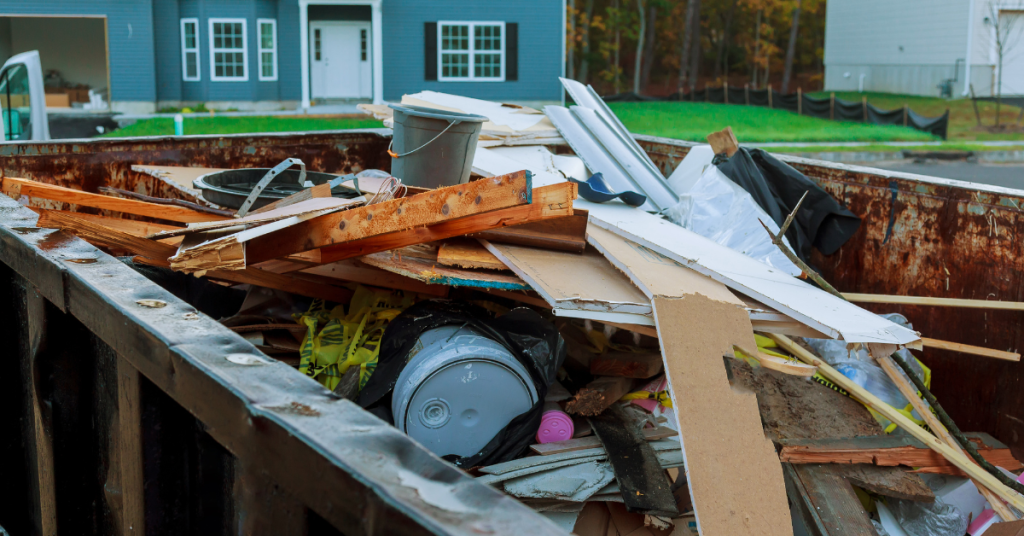
Debris management is an essential part of deck removal and requires careful planning. Wood, nails, screws, and other construction materials need to be collected and disposed of safely. Separate recyclable materials from waste to reduce environmental impact and potentially save on disposal costs. For instance, untreated wood may be repurposed or taken to recycling centers, while treated lumber should be handled according to local guidelines.
Consider practical solutions for debris removal before starting the project. Renting a dumpster or scheduling a junk removal service ensures that materials are handled responsibly. If you plan to handle debris disposal yourself, make sure transportation is safe and legal, and avoid overloading vehicles. Properly managing waste not only protects the environment but also keeps the property clean and reduces the stress associated with post-project cleanup. A well-organized approach to debris ensures that the deck removal process concludes smoothly and leaves the backyard ready for future improvements or landscaping.
When to Hire Professionals
While some homeowners successfully remove decks on their own, professional services offer several advantages that make the investment worthwhile. Experts bring experience, specialized tools, and safety protocols that streamline the removal process. They can handle large or complicated decks that would be challenging for a homeowner, reducing the risk of accidents or property damage..
Hiring a professional ensures proper disposal and recycling of materials in compliance with local regulations. This is especially valuable when dealing with treated wood, nails, or other construction debris that cannot be simply tossed in a landfill. Additionally, professional services save time, allowing homeowners to focus on planning future projects or enjoying their outdoor space without the stress of demolition..
Inspecting Your Deck for Structural Issues
Before starting the removal process, it’s crucial to thoroughly inspect your deck for any underlying structural issues. Check for rotting wood, weakened joists, or compromised fasteners that could make the demolition dangerous. Understanding the deck’s condition also helps determine which areas need extra care and whether some materials can be salvaged for reuse.
During inspection, pay attention to hidden problems such as water damage at the base of posts or termite activity in support beams. These can compromise stability and pose safety hazards during dismantling. Identify which parts of the deck are load-bearing or deeply anchored in concrete footings, as removing them requires careful planning and possibly additional tools..
Choosing the Right Tools for Deck Removal
Selecting the appropriate tools is essential for making deck removal efficient and safe. While basic hand tools like hammers, pry bars, and screwdrivers are necessary, power tools can significantly speed up the process. Circular saws, reciprocating saws, and drills help cut through nails, screws, and stubborn wooden boards, reducing manual labor and effort. Having the right equipment also minimizes damage to salvageable wood and prevents injury caused by forcing tools that are not suited for the task.
In addition to cutting and prying tools, consider safety equipment such as gloves, goggles, dust masks, and sturdy footwear. Organizing tools in advance ensures that you spend less time searching for items mid-project and more time working efficiently.
Dealing with Deck Footings and Anchors
Removing deck footings and anchors is one of the more challenging parts of deck demolition. Footings are usually buried in the ground and hold the posts that support the entire structure. Extracting them safely requires careful planning, as improper handling can damage surrounding landscaping or create safety risks. Depending on the material, footings may need to be broken up with a sledgehammer or excavated using a shovel or post puller.
Anchors, often made of metal or concrete, provide stability for posts and beams. Detaching them requires patience and precision. Cut or pry them carefully to avoid sudden movement that could injure you or others nearby. Removing these components thoroughly ensures that no obstructions remain, making the area ready for landscaping or construction of a new deck.
Salvaging and Reusing Materials
Not all deck materials need to be discarded. Salvaging usable wood, fasteners, or hardware can save money and support sustainable practices. Boards that remain intact can be repurposed for garden projects, furniture, or other DIY home improvements. Properly identifying and separating materials that are still structurally sound allows homeowners to maximize the value of the removed deck and reduce the volume of waste sent to landfills.
Before salvaging, ensure materials are clean and free of rot or contamination. Remove nails and screws carefully to prevent injury during reuse. Organizing salvaged items in labeled piles helps keep the work area safe and facilitates easier storage or transport. By approaching deck removal with an eye for salvage, homeowners can combine practicality, cost-effectiveness, and eco-consciousness, turning what would otherwise be waste into valuable resources for future projects or community reuse.
Preparing the Site for a New Deck or Renovation
Once a deck is removed, the site often requires preparation before a new installation or landscaping project. Clearing remaining debris, leveling the ground, and assessing soil conditions are essential steps to ensure a stable foundation for future construction. This preparation prevents problems such as uneven flooring, water drainage issues, or structural instability for a replacement deck.
Site preparation may also involve marking utility lines, removing old concrete footings, and grading the area to promote proper drainage. Consider whether landscaping adjustments or soil amendments are needed before beginning a new deck project. By addressing these factors immediately after deck removal, homeowners save time and effort later and create a safe, ready-to-use area for future outdoor enhancements.
Conclusion
Deck removal can be a rewarding yet challenging task that demands careful planning, attention to safety, and a systematic approach. From assessing the structure and gathering tools to dismantling boards and managing debris, every step contributes to a smoother, safer, and more efficient removal process. Understanding the nuances of deck materials, potential hazards, and disposal methods ensures homeowners can navigate the project with confidence and clarity. Whether tackling a small backyard deck or a large, multi-level structure, preparation and organization make all the difference in achieving a successful outcome.
For homeowners seeking reliable and professional assistance with deck removal, Mobile Dump Junk Removal in Ventura, CA, provides comprehensive services tailored to every project. With expertise in safe dismantling, debris management, and eco-conscious disposal, their team simplifies the process from start to finish. Contact them at 805 751‑3744 or via email at mobiledumpremoval@gmail.com to schedule a consultation and experience a stress-free deck removal service that prioritizes safety, efficiency, and responsible handling of all materials.