
Renovating a bathroom is one of the most transformative projects a homeowner can undertake, breathing new life into a space that often endures daily wear and tear. Yet before the excitement of sleek tiles, modern fixtures, and refreshed cabinetry can take center stage, careful demolition is essential. Bathroom demolition is far more than simply tearing out old elements; it is a precise, methodical process that clears the way for a functional, stylish, and long-lasting renovation.
Every component, from flooring and walls to plumbing fixtures and vanities, must be removed thoughtfully to avoid damage to the underlying structure and surrounding areas. Proper planning ensures safety, efficiency, and minimal disruption to the home, allowing the demolition process to serve as the foundation for a successful renovation. By understanding the steps involved and preparing adequately, homeowners set the stage for a bathroom transformation that is not only visually appealing but also structurally sound and tailored to their personal style.
Understanding the Scope of Bathroom Demolition
Renovating a bathroom begins long before the first hammer swings. It requires a clear understanding of the scope, from the walls and flooring to plumbing fixtures and cabinetry. Many homeowners underestimate the complexity of demolition, thinking it’s merely about removing old tiles or knocking down a shower. In reality, a successful bathroom demolition involves careful planning to protect surrounding spaces, prevent water damage, and ensure that electrical and plumbing systems remain intact until they are ready for replacement.
Identifying materials, structural elements, and potential hazards is equally essential. Older homes may contain asbestos in tiles or lead in pipes, which require professional handling. Understanding which components can be safely removed and which require specialized disposal ensures the project progresses smoothly and safely. Planning demolition also includes logistical considerations such as where debris will be staged and how it will be removed. By approaching the process methodically, homeowners create a strong foundation for a seamless renovation that transforms the space into a modern, functional, and visually appealing bathroom.
Preparing Your Home for Demolition
Before any tools are lifted, a bathroom must be prepared for demolition. This preparation begins with clearing the room of all personal items, furniture, and décor. Protecting adjoining rooms is crucial, as dust and debris can easily migrate, causing damage or leaving a mess that is difficult to clean. Installing temporary barriers, covering floors, and sealing vents help contain dust and maintain cleanliness in the rest of the home. Removing delicate or valuable items from the bathroom and nearby areas minimizes stress during demolition and keeps the process efficient and controlled..
Another critical step is organizing the necessary tools and materials for the job. Sledgehammers, pry bars, saws, and safety gear such as gloves and goggles are essentials for a safe and thorough demolition. Creating a step-by-step plan ensures that demolition progresses systematically, starting with smaller elements like cabinetry and shelving before moving to larger structural components such as walls, flooring, or plumbing fixtures. Proper preparation reduces the risk of injury, prevents damage to the home’s structure, and ensures that debris can be removed efficiently.
Removing Fixtures and Fittings
The heart of any bathroom demolition lies in the removal of existing fixtures and fittings. This process involves careful detachment of sinks, toilets, bathtubs, and shower enclosures while minimizing damage to the underlying structure. It is important to disconnect plumbing lines and ensure water is shut off completely to avoid leaks or flooding during removal. Removing these fixtures systematically allows for easier replacement and creates a clean slate for design improvements.
Cabinets, vanities, and mirrors also require careful handling. While some components may be reusable, others may be damaged or outdated, requiring complete disposal. Removing these items is not simply about pulling them away from walls; it requires detaching fasteners, ensuring that electrical connections are properly disconnected, and handling materials carefully to avoid injury or unnecessary damage. Efficient removal of fixtures and fittings creates a well-prepared environment for contractors or DIY renovations to install modern elements that meet both functional needs and aesthetic goals.
Dealing with Flooring and Tiling
Flooring and tiling often represent one of the most labor-intensive parts of bathroom demolition. Tiles may be bonded to subfloors with strong adhesives, and removing them without damaging the underlying structure can be challenging. Hardwood, vinyl, or laminate flooring may require different approaches, and careful removal ensures the foundation remains intact for new installations. Properly handling flooring materials can prevent costly repairs and provide a smooth surface for the next stage of renovation. In addition to physical effort, this step generates significant dust and debris, making protective coverings and cleanup strategies critical.
Walls also require careful attention. Tiles on walls, particularly around showers or backsplashes, must be removed layer by layer to avoid damaging drywall or plaster underneath. If water damage or mold is discovered during tile removal, addressing these issues immediately prevents structural deterioration and maintains a healthy bathroom environment. Selecting the right demolition method—whether manual removal or using power tools—can make the process faster and more efficient while reducing the risk of accidents.
Managing Plumbing and Electrical Elements
Demolition is more than cosmetic; it involves critical infrastructure changes that affect a bathroom’s long-term functionality. Removing or relocating plumbing fixtures and electrical wiring must be done with care and expertise. Shutting off water supply and electricity at the main sources is essential before beginning any work. During demolition, pipes and wires must be exposed carefully, inspected for damage, and removed or rerouted according to renovation plans. This step prevents unexpected leaks, short circuits, or costly repairs down the line.
For bathrooms with older electrical systems, demolition presents an opportunity to modernize wiring and upgrade to safer, more efficient setups. Replacing outdated circuits or adding GFCI outlets can protect the space against electrical hazards, particularly in areas exposed to moisture. Plumbing upgrades may include installing water-efficient fixtures or repositioning drains to accommodate new layouts.
Handling Debris and Waste Disposal
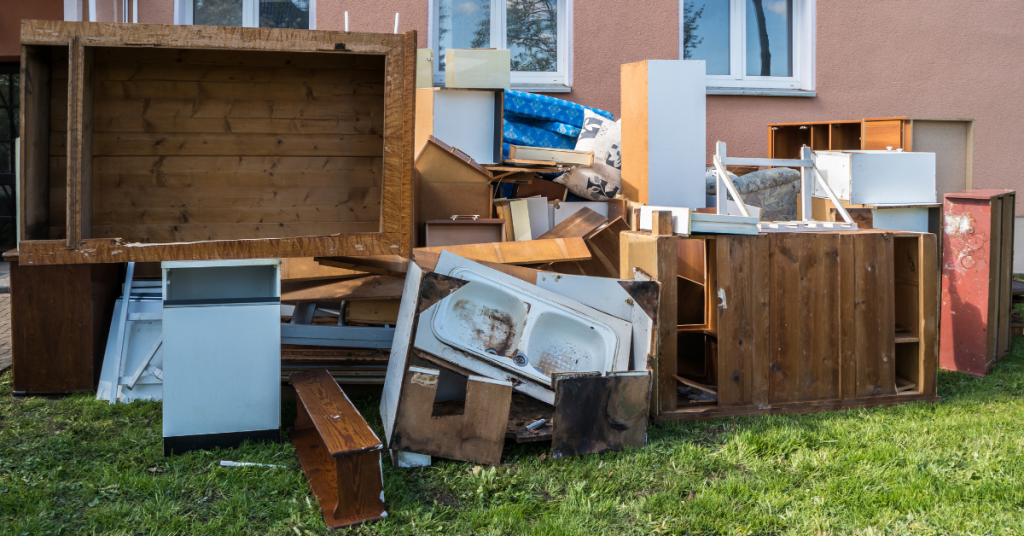
Demolition generates large amounts of debris, from broken tiles and wood fragments to old plumbing and cabinetry. Managing this waste is a critical part of any bathroom demolition project, ensuring the home remains safe and clean. Collecting debris in organized sections, using heavy-duty bags, and preparing for proper disposal are essential steps. Failure to manage debris can create hazards, impede progress, and leave the renovation site cluttered and unsafe. Effective waste handling also contributes to sustainability, as materials such as metal, tile, and wood can often be recycled or repurposed rather than ending up in landfills.
Arranging for debris removal ahead of time ensures a smoother demolition process. Many homeowners find that partnering with a professional removal service simplifies this aspect, allowing the focus to remain on the demolition itself rather than managing piles of waste. Efficient removal prevents delays, reduces physical strain, and maintains a clean environment for the installation of new bathroom components. Thoughtful planning of waste disposal not only improves safety and efficiency but also reflects a responsible approach to home renovation.
Safety Considerations During Demolition
Safety is paramount during bathroom demolition. Protective gear, including gloves, goggles, masks, and sturdy footwear, guards against injury from sharp edges, flying debris, or dust inhalation. Understanding the structural integrity of walls and floors before striking them prevents accidental collapses or damage. Special attention is required when handling heavy items such as bathtubs or vanities, as improper lifting can lead to serious injury.
Awareness of hazardous materials is also critical. Older bathrooms may contain asbestos, lead, or mold, all of which require professional assessment and removal to protect health. Ensuring that demolition is performed with safety as the priority not only protects those performing the work but also preserves the home and prevents costly setbacks. A meticulous approach to safety sets a strong foundation for every subsequent phase of the bathroom renovation, creating a secure environment in which new design ideas can come to life without compromise.
Planning for a Fresh Design
Bathroom demolition is not merely about tearing down; it’s about creating an open canvas for a fresh design that reflects style and functionality. Once demolition is complete, homeowners can envision layouts, lighting, storage solutions, and color palettes without obstruction. Understanding how the cleared space will accommodate new fixtures and materials is essential for maximizing the bathroom’s potential.
Additionally, the process of demolition informs practical decisions about materials and construction methods. Discovering structural conditions, assessing plumbing routes, and evaluating wall integrity during demolition provides valuable insights for the renovation. It ensures that design choices are not only visually appealing but also structurally sound and functional. By combining careful demolition with thoughtful planning, homeowners set the stage for a bathroom transformation that is both beautiful and long-lasting.
Conclusion
A well-executed bathroom demolition lays the groundwork for an entirely renewed space, blending efficiency, safety, and foresight into one comprehensive process. From planning the scope and preparing the home to handling fixtures, flooring, plumbing, and debris, each step contributes to a smoother renovation experience and a more satisfying final result. Addressing safety concerns and incorporating infrastructure upgrades during demolition ensures that the bathroom will not only look modern but function reliably for years to come. The careful removal of old materials creates a clean canvas for homeowners and contractors to implement new design ideas without compromise or unnecessary stress.
For homeowners seeking professional support, partnering with experienced demolition and junk removal services can simplify the process significantly. Mobile Dump Junk Removal in Ventura, CA, offers comprehensive solutions to handle all aspects of bathroom demolition efficiently and responsibly. With expert handling of debris, safe removal of fixtures, and attention to detail, they help homeowners achieve a fresh, updated bathroom with minimal hassle. To start your bathroom transformation, contact Mobile Dump Junk Removal at 805 751‑3744 or via email at mobiledumpremoval@gmail.com.