
Drywall removal is one of the most critical steps in any home renovation or remodeling project, yet it is often underestimated in terms of preparation and planning. Removing walls is more than simply tearing down sheets of gypsum; it involves understanding the structure behind the surface, protecting your home, and ensuring safety at every stage. Many homeowners approach drywall demolition without fully considering the hidden elements within walls, such as electrical wiring, plumbing, or insulation, which can create hazards if handled improperly.
In addition to safety concerns, drywall removal generates a significant amount of dust and debris, which can spread quickly and create unnecessary cleanup challenges if not properly managed. Proper preparation transforms what could be a chaotic, stressful process into an organized and efficient project. By taking the time to understand the necessary tools, protective measures, and strategies for debris management, homeowners can confidently tackle drywall removal while safeguarding their property and maintaining a smoother workflow for the renovations ahead.
Understanding Drywall Removal
Drywall removal can seem like a daunting task, but understanding the process before diving in makes a significant difference. The walls in your home are more than just surfaces; they conceal wiring, plumbing, and insulation, all of which require careful consideration during demolition. By familiarizing yourself with the structure of your walls and potential hazards, you can anticipate challenges and reduce the risk of damage.
A thoughtful approach to drywall removal starts with an inspection of the space. Identify any electrical outlets, light switches, or water pipes that could interfere with demolition. If you encounter areas with mold, water damage, or structural concerns, these require specialized handling to prevent further problems. The right preparation involves mapping out your demolition plan, ensuring that you have protective gear such as gloves, goggles, and masks, and setting up the work area to contain dust and debris.
Creating a Safe Workspace
Safety is a critical aspect of drywall removal, and preparing the workspace can greatly reduce accidents. Clearing the room of furniture, rugs, and any personal items is essential, as flying debris and dust can damage or contaminate belongings. Protecting floors with durable coverings and sealing doorways helps prevent dust from spreading to other areas of your home. Proper ventilation is also necessary to maintain air quality and reduce the inhalation of drywall dust, which can irritate the lungs and eyes. Creating a designated space for debris storage ensures that materials are not scattered, making the removal process more organized and efficient.
The next step in preparing a safe workspace involves gathering the appropriate tools and safety equipment. Utility knives, hammers, pry bars, and dust masks are among the essentials for effective demolition. Gloves and protective eyewear shield against sharp edges and flying particles, while long-sleeve clothing minimizes skin exposure. If electrical circuits are involved, turning off power at the breaker box is critical to prevent accidents.
Protecting Your Home and Belongings
Before the first cut is made, taking measures to protect your home and belongings ensures a smoother cleanup and reduces potential damage. Covering floors, countertops, and appliances with plastic sheeting shields them from dust, debris, and accidental scratches. Doors and vents can be sealed with painter’s tape to prevent drywall dust from spreading throughout the house. Items that cannot be moved should be wrapped and carefully monitored, while fragile décor should be temporarily relocated.
In addition to physical protection, considering how debris will be managed is equally important. Having trash bags, bins, or a designated collection area ready keeps the workspace organized and minimizes interruptions. Planning for the disposal of large drywall pieces prevents clutter and allows for more efficient progress. It is also wise to anticipate potential damage to baseboards or trim during removal and take steps to protect these areas.
Planning for Utilities and Hidden Obstacles
Drywall often conceals essential utilities, and preparing for these hidden obstacles is crucial to avoid accidental damage. Electrical wires, plumbing pipes, and HVAC systems may be behind the walls, and understanding their placement can prevent hazardous situations. Before starting, consider using a stud finder or similar tool to detect nails, screws, and studs, as well as electrical wiring paths. If you are uncertain about any hidden elements, consulting a professional can help you avoid costly mistakes and ensure that your home’s essential systems remain intact.
The presence of mold, water damage, or structural irregularities behind the drywall can complicate removal. Recognizing these issues in advance allows for proper handling and prevents contamination or further damage. Wet or compromised drywall should be removed carefully to minimize dust and debris spread, and professional guidance may be required to ensure safe disposal. By proactively planning for utilities and hidden obstacles, you reduce the risk of injury, protect your home’s infrastructure, and create a demolition process that is more predictable and manageable.
Efficient Tool Use for Drywall Removal
Selecting the right tools for drywall removal is key to efficiency and safety. Common tools include utility knives for scoring, hammers and pry bars for detaching sheets, and screwdrivers for removing fasteners. Power tools such as reciprocating saws or drills can accelerate the process, especially for larger spaces, but they require careful handling to avoid damaging underlying structures. Each tool serves a specific purpose, and knowing when and how to use them improves both speed and precision during demolition.
Equally important is understanding the correct techniques for using each tool. Scoring drywall before removal helps prevent large cracks and uncontrolled breaks, while leveraging pry bars along studs allows sheets to come down cleanly. When using power tools, maintaining steady pressure and a consistent angle minimizes dust and prevents accidental gouges in the surrounding areas. Combining proper tool selection with informed techniques allows for smoother, faster removal and ensures that the space is ready for the next stage of renovation.
Managing Dust and Debris
Dust control is one of the most overlooked aspects of drywall removal, yet it is critical for maintaining a safe and clean environment. Drywall dust is extremely fine and can spread quickly, settling on surfaces throughout the home. Using plastic sheeting to section off rooms, employing fans to direct airflow, and frequently cleaning with vacuums equipped with HEPA filters all help control the spread of dust. Wearing appropriate respiratory protection ensures that inhalation risks are minimized.
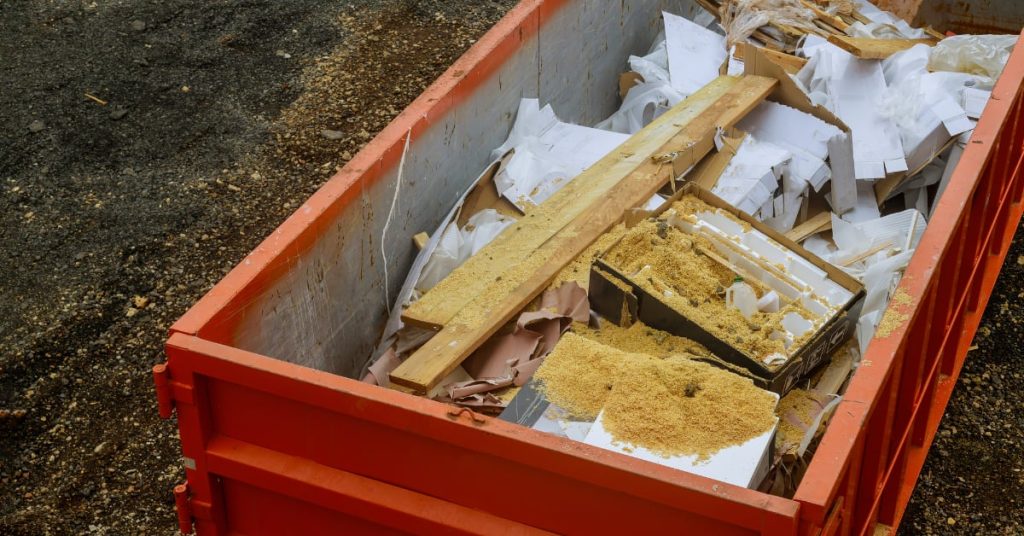
Debris management is equally important to maintain workflow and reduce hazards. Large sheets of drywall can be broken into manageable pieces and stacked in a designated area to keep the workspace clear. Smaller fragments should be swept up regularly, preventing accumulation and potential tripping hazards. Proper disposal methods ensure that removed materials do not linger and cause further complications. By integrating dust and debris management into your preparation and workflow, you enhance safety, reduce cleanup time, and maintain a professional standard throughout the drywall removal project.
Preparing for Cleanup and Disposal
Cleanup is a significant portion of drywall removal, and preparing in advance can save considerable time and effort. Ensuring that trash bags, bins, or a dumpster are ready before starting allows for immediate disposal of debris. Large, cumbersome sheets of drywall should be broken down systematically, and smaller pieces swept or vacuumed frequently to prevent accumulation. Efficient cleanup not only keeps the workspace safe but also sets the stage for the next phase of renovation or construction.
In addition to physical cleanup, proper disposal of drywall contributes to environmentally responsible practices. Gypsum can be recycled or repurposed in some areas, so exploring local disposal guidelines may offer sustainable options. If hauling away debris is challenging, professional junk removal services provide convenient solutions that save time, reduce strain, and ensure compliance with disposal regulations. Preparing for cleanup and disposal in advance allows the project to progress smoothly and concludes the drywall removal process on a clean, organized note.
Final Preparations Before Starting
The final steps before beginning drywall removal involve reviewing all safety, protective, and logistical measures. Confirm that furniture and belongings are removed or protected, that protective coverings are in place, and that all tools and equipment are ready. Reassess the location of utilities, potential hidden obstacles, and ventilation strategies. Having a checklist or mental map of the process helps prevent interruptions and ensures that the demolition proceeds efficiently.
Checking one last time for any overlooked details enhances both safety and effectiveness. Verify that all power sources have been turned off if electrical systems are involved, that windows or doors are open for ventilation, and that gloves, masks, and goggles are worn properly. A thorough review minimizes the likelihood of accidents and sets the tone for a well-executed project. With careful preparation and attention to detail, the drywall removal process becomes a manageable, organized, and predictable task, ready to be completed with confidence and efficiency.
Conclusion
Preparing your home for drywall removal is a process that requires careful planning, safety considerations, and an organized approach. By understanding the structure of your walls, protecting your belongings, and anticipating hidden obstacles, you create a safe and efficient environment for demolition. Proper tools, dust control strategies, and debris management play essential roles in ensuring that the project progresses smoothly and without unnecessary complications. Taking the time to prepare thoroughly not only safeguards your home but also streamlines the workflow, making the renovation or remodeling process more enjoyable and less stressful.
If you want to simplify drywall removal and ensure professional handling from start to finish, consider contacting Mobile Dump Junk Removal in Ventura, CA. Their team provides expert guidance, efficient debris removal, and responsible disposal practices to make your project hassle-free. You can reach them by phone at (805) 751‑3744 or email at mobiledumpremoval@gmail.com to schedule services or request more information. With experienced professionals on your side, drywall removal can be a safe, organized, and efficient step toward transforming your home.