
Kitchen demolition marks the exciting and transformative first step toward a modernized, functional, and stylish kitchen. It is far more than swinging a hammer or tearing out old cabinets; it is a carefully orchestrated process that combines planning, precision, and safety awareness. Successful demolition requires a clear understanding of the kitchen’s layout, structural integrity, and utility systems. This stage sets the foundation for every subsequent renovation task, ensuring that new installations can proceed smoothly without hidden complications.
Kitchen demolition also demands an appreciation for detail and adherence to building codes and safety standards. It is essential to evaluate the kitchen space for materials that may pose hazards, such as asbestos, lead paint, or mold, which require professional handling. Beyond safety, understanding the underlying plumbing, electrical, and structural elements informs how removal work should proceed. Timing and sequencing play critical roles, ensuring that removal of cabinetry, flooring, countertops, and appliances happens in a logical, efficient order.
Assessing the Scope of Kitchen Demolition
Before any physical work begins, evaluating the full scope of the kitchen demolition is essential. This assessment includes identifying which elements will be removed, which structures need protection, and which areas may require special attention. A comprehensive evaluation considers flooring materials, cabinetry, countertops, appliances, plumbing fixtures, and electrical wiring. Each component brings its own level of complexity and potential hazards. Determining the extent of demolition helps establish a timeline, project costs, and the resources needed, including specialized tools, labor, and waste management.
Assessing the scope also involves examining the structural integrity of walls, ceilings, and flooring. Certain walls may be load-bearing, requiring careful reinforcement or modification before removal. Identifying hidden pipes or electrical conduits can prevent accidents and costly damage. Additionally, understanding the composition of materials, such as tile, hardwood, or laminate, informs the appropriate methods for removal. A well-executed assessment can also reveal opportunities to salvage materials for reuse or recycling, further supporting sustainability goals.
Preparing the Kitchen for Safe Demolition
Preparation is one of the most critical aspects of kitchen demolition, often overlooked in favor of rushing into the physical removal process. Proper preparation involves clearing the kitchen of personal items, securing adjacent rooms from dust and debris, and ensuring that utilities such as gas, water, and electricity are safely disconnected. Protective measures, such as covering floors, sealing doorways, and using safety barriers, help contain the demolition within the designated area and protect the rest of the home. Equipping workers with personal protective gear, including gloves, goggles, masks, and sturdy footwear, ensures safety throughout the process.
In addition to physical precautions, mental and logistical preparation is equally important. Homeowners should communicate clearly with the demolition team regarding expectations, timelines, and specific areas of concern. This collaboration reduces misunderstandings and ensures that the project proceeds without interruptions. Planning for unforeseen issues, such as hidden water damage or structural irregularities, allows for flexibility and prompt resolution.
Tools and Techniques Used in Kitchen Demolition
Kitchen demolition requires a mix of specialized tools and techniques tailored to the materials and scope of the project. Standard tools like hammers, pry bars, screwdrivers, and utility knives often form the backbone of demolition work, allowing for the removal of cabinetry, countertops, and fixtures. Power tools, including drills, reciprocating saws, and oscillating multi-tools, increase efficiency and precision, especially when cutting through thick wood, tile, or laminate surfaces. Advanced demolition may also employ heavy-duty equipment for larger tasks such as breaking up concrete or removing built-in appliances.
Beyond tools, effective techniques are vital to prevent unnecessary damage and ensure safety. Controlled demolition, which involves systematically dismantling components rather than indiscriminate destruction, protects surrounding surfaces and preserves reusable materials. Strategies such as scoring tile before removal, loosening screws rather than forcing attachments, and carefully detaching plumbing or electrical connections reduce the risk of injury and damage. Experienced teams also prioritize proper lifting techniques and ergonomic handling of heavy or awkward items to prevent physical strain.
Handling Plumbing and Electrical Systems
The kitchen is a complex environment, intertwined with plumbing, electrical, and sometimes gas systems, all of which require careful attention during demolition. Disconnecting these systems safely is critical to prevent accidents, water damage, or electrical hazards. Professional demolition teams typically shut off water supply lines, drain remaining water from pipes, and cap connections to prevent leaks. Electrical circuits are turned off at the breaker panel, and wires are carefully disconnected or removed according to code requirements. Gas lines, if present, require specialized handling and should always be managed by certified professionals to avoid leaks or explosions.
Managing these systems also involves anticipating potential complications hidden behind walls or under flooring. Unexpected leaks, outdated wiring, or corrosion can present safety risks if not identified and addressed during demolition. Proper documentation of connections and components facilitates a smoother transition to renovation, ensuring that new installations integrate seamlessly with existing infrastructure.
Debris Removal and Disposal
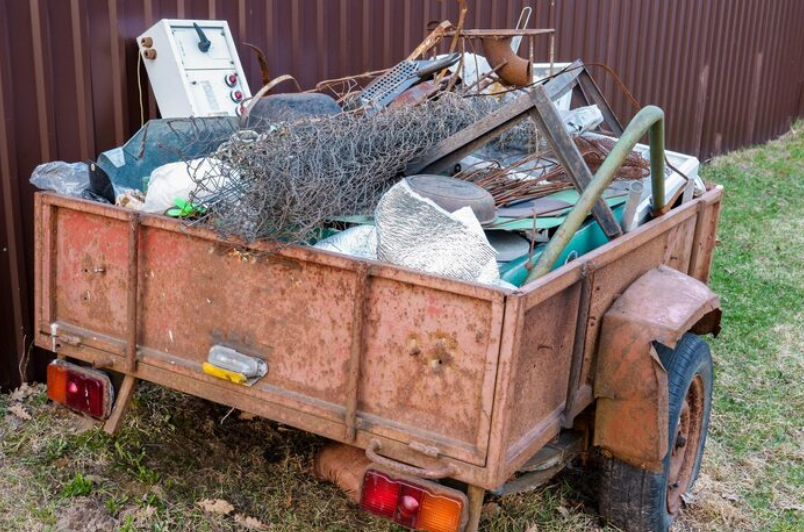
One of the most labor-intensive aspects of kitchen demolition is debris removal, which involves sorting, transporting, and disposing of materials efficiently and responsibly. Debris includes a mix of wood, metal, drywall, tile, plastics, and other construction waste. Effective management starts with separating materials that can be recycled or repurposed from those that must be discarded. Proper containment and removal prevent dust and debris from spreading throughout the home and reduce hazards such as nails, sharp edges, or heavy objects. Timely removal also keeps the workspace organized, allowing renovation work to commence without delay.
Disposal strategies often include renting dumpsters or hiring professional junk removal services to handle the volume and variety of waste generated. Eco-conscious practices, such as recycling metal fixtures, donating reusable cabinets, or repurposing tile, minimize environmental impact and support sustainable renovation goals. Handling debris responsibly reflects not only practical efficiency but also a commitment to safety, cleanliness, and environmental stewardship.
Common Challenges in Kitchen Demolition
Kitchen demolition is rarely without challenges, as hidden issues often arise once walls, floors, or cabinets are removed. Structural surprises, such as hidden beams, water damage, or deteriorating subflooring, can complicate even the most carefully planned projects. Older homes may contain materials like asbestos, lead paint, or outdated wiring that require professional removal. Limited space, tight corners, or intricate cabinetry can also pose obstacles to smooth demolition. Recognizing these potential difficulties in advance allows for strategic problem-solving, preventing costly mistakes or delays.
Another challenge is coordinating the timing of demolition with other renovation tasks, such as plumbing, electrical work, or delivery of new materials. Poor sequencing can lead to bottlenecks, extended timelines, and increased labor costs. Homeowners and contractors must remain flexible and prepared to adjust plans as new issues arise. Communication and experience are crucial, as skilled teams can navigate unexpected complications without compromising safety, quality, or project timelines.
Benefits of Professional Kitchen Demolition
Hiring professional demolition services offers numerous advantages, including efficiency, safety, and peace of mind. Skilled teams bring experience, knowledge, and specialized tools to handle the complexities of kitchen demolition. They follow established protocols for disconnecting utilities, removing hazardous materials, and ensuring that structural integrity is preserved. Professionals also have access to resources for waste disposal, recycling, and repurposing, streamlining the process for homeowners while adhering to environmental guidelines. Their expertise reduces the risk of accidents, property damage, and costly mistakes, making the investment in professional services worthwhile for any kitchen renovation.
Beyond the practical benefits, professional demolition frees homeowners from the physical and mental stress of the process. Coordinated teams can complete tasks faster and more efficiently than DIY efforts, ensuring that the project stays on schedule. The result is a clean, prepared space that allows subsequent renovation phases to proceed smoothly, from plumbing and electrical work to cabinetry installation and flooring.
Planning for a Smooth Transition to Renovation
Successful kitchen demolition is not an isolated task; it is the first step in a carefully planned renovation journey. Preparing for a seamless transition involves clear communication with contractors, careful documentation of utility systems, and an organized approach to material disposal. By taking the time to plan each stage, homeowners ensure that the renovation team can begin installation work without delays or surprises.
Anticipating the needs of the renovation phase also involves preserving space, access points, and structural elements that will support new installations. Properly leveled floors, exposed wiring ready for updates, and cleared wall spaces set the stage for cabinetry, countertops, appliances, and flooring to be installed efficiently. This foresight ensures that the kitchen transformation proceeds according to design plans and budget constraints. Ultimately, thoughtful planning allows homeowners to move from demolition to renovation with confidence, turning a previously disruptive process into an organized, efficient, and rewarding step toward a beautiful, functional kitchen.
Conclusion
Kitchen demolition is an essential and transformative step in the journey toward creating a modern, functional, and stylish kitchen. It requires meticulous planning, careful handling of plumbing and electrical systems, efficient debris management, and the ability to navigate unexpected challenges. From assessing the scope and preparing the workspace to employing the right tools and techniques, every stage of demolition contributes to a safer, smoother, and more productive renovation experience. Homeowners who prioritize planning, safety, and responsible disposal set the stage for a seamless transition into the next phase of their kitchen upgrade, ensuring long-lasting results.
For homeowners seeking professional assistance in managing kitchen demolition and debris removal, Mobile Dump Junk Removal offers expert services in Ventura, CA. Their team brings experience, efficiency, and eco-conscious practices to every project, ensuring that demolition is conducted safely, thoroughly, and responsibly. By contacting them at 805 751‑3744 or via email at mobiledumpremoval@gmail.com, homeowners can simplify the demolition process and focus on the exciting work of creating a new, beautiful kitchen.