
Demolition projects leave behind more than just an empty space; they create a complex environment filled with dust, debris, and remnants of old materials. Whether the project involves tearing down a kitchen, removing flooring, or dismantling structural elements, the aftermath can quickly become overwhelming if not addressed properly. Post-demolition cleanup is an essential step that ensures the property is safe, organized, and ready for its next phase of use. It is more than simply hauling away rubble; it involves careful planning, sorting, and handling of various materials, some of which may be hazardous.
Effective cleanup safeguards the health of those on-site, prevents environmental harm, and allows the space to be repurposed efficiently. Understanding the steps involved—from assessing the debris to thorough dust removal, safe disposal, and final inspections—empowers property owners and professionals to tackle the task methodically. Approaching demolition cleanup with preparation and strategy transforms chaos into a manageable, orderly environment.
Understanding the Scope of Demolition Debris
Once a demolition project is complete, the scene is often a chaotic mixture of dust, broken materials, and leftover construction elements. Understanding the full scope of what needs to be cleaned is crucial before beginning any post-demolition work. Each type of debris, whether it is wood, metal, drywall, or concrete, has unique handling and disposal requirements. The first step involves carefully assessing the site to determine the quantity and composition of the waste. This evaluation helps in planning for the correct tools, equipment, and disposal methods that will be both efficient and safe.
In addition to assessing physical debris, understanding how the demolition has impacted the surrounding environment is important. Dust and fine particulate matter often settle in hard-to-reach areas, requiring specialized cleaning techniques to restore air quality and prevent respiratory concerns. Contamination from chemicals, paint, or adhesives may also be present, which demands careful containment and disposal procedures. Proper planning for these elements saves time and reduces environmental harm. efficiency. This initial step lays the foundation for a systematic cleanup that restores the space to a usable condition.
Safety First: Protecting Yourself During Cleanup
Post-demolition cleanup is physically demanding and potentially dangerous. Safety should never be an afterthought, as hazards like sharp debris, unstable flooring, and dust can lead to serious injuries. Wearing appropriate protective gear, including gloves, goggles, hard hats, and heavy-duty footwear, is essential before entering the site. Respiratory protection is equally critical, especially in areas with dust, mold, or chemical residues. Planning the cleanup in stages, starting with larger, more visible debris and moving to finer materials, reduces the risk of accidents. Maintaining a well-organized work area and avoiding haste are key strategies to minimize danger while maximizing efficiency. Following these precautions ensures that everyone involved can navigate the site with confidence.
Moreover, safety considerations extend beyond personal protection. Ensuring that utilities such as gas, electricity, and water are properly shut off or monitored during cleanup is essential. Certain demolition sites may have structural weaknesses that pose risks of collapse or falling objects. By identifying these hazards in advance, appropriate support structures or barriers can be installed to prevent incidents. Training the cleanup team on proper lifting techniques, equipment handling, and emergency procedures further reinforces a culture of safety.
Sorting and Segregating Debris
A key part of post-demolition cleanup involves sorting the debris to determine what can be reused, recycled, or discarded. This step is critical to reduce waste and make the disposal process more efficient. Materials such as metal, concrete, and wood often have recycling value or can be repurposed for future projects. Sorting also helps in identifying hazardous materials that need special handling, including asbestos, lead-based paints, or treated wood. By separating materials correctly from the start, the cleanup process is not only faster but also environmentally responsible.
Organizing debris by type also improves the logistics of removal. Once materials are separated, it becomes easier to allocate the right containers, trucks, or skips for disposal or recycling. This method reduces the chances of overfilling containers and allows for smoother transport to appropriate facilities. Segregation can also reveal salvageable items that might otherwise be discarded, providing cost-saving opportunities or materials for creative reuse. By approaching debris sorting with a systematic mindset, cleanup teams transform a chaotic site into a manageable project, ensuring efficiency, safety, and environmental responsibility.
Cleaning and Removing Fine Dust
After the larger debris has been cleared, attention must shift to the pervasive dust that settles throughout the site. Dust from demolition can be a health hazard, containing silica, drywall particles, and other fine materials that irritate the respiratory system. Specialized cleaning methods, including HEPA-filter vacuums and damp wiping, are often necessary to remove dust from floors, walls, and surfaces. Ensuring that ventilation systems are thoroughly cleaned prevents dust from spreading to other areas of the property. Removing fine dust is not only important for health and safety but also for preparing the space for any subsequent construction or renovation activities.
Beyond health concerns, dust removal enhances the overall aesthetic and usability of the property. Fine particulates can coat surfaces, penetrate upholstery, and settle into crevices, creating ongoing maintenance challenges if not addressed immediately. Using the right combination of cleaning tools and techniques ensures a thorough cleanup, leaving the site ready for the next stage of improvement.
Handling Hazardous Materials
Certain demolition projects involve materials that are hazardous or require special disposal methods. These can include asbestos, lead paint, chemicals, and treated wood. Handling such materials demands strict adherence to safety protocols and local regulations. Specialized training and protective equipment are often required to mitigate risks associated with exposure. Proper labeling, containment, and transport are necessary to prevent contamination and ensure safe disposal. Ignoring these requirements can result in serious health hazards, legal issues, and environmental damage.
In addition, hazardous material removal requires coordination with licensed disposal facilities. Many local authorities mandate that materials such as asbestos be treated in specific ways before disposal. Working with experienced professionals ensures compliance with these regulations while avoiding costly fines or remediation efforts. Proper documentation of hazardous material handling is also important, providing proof that the cleanup followed all safety and legal requirements.
Disposal and Recycling of Materials
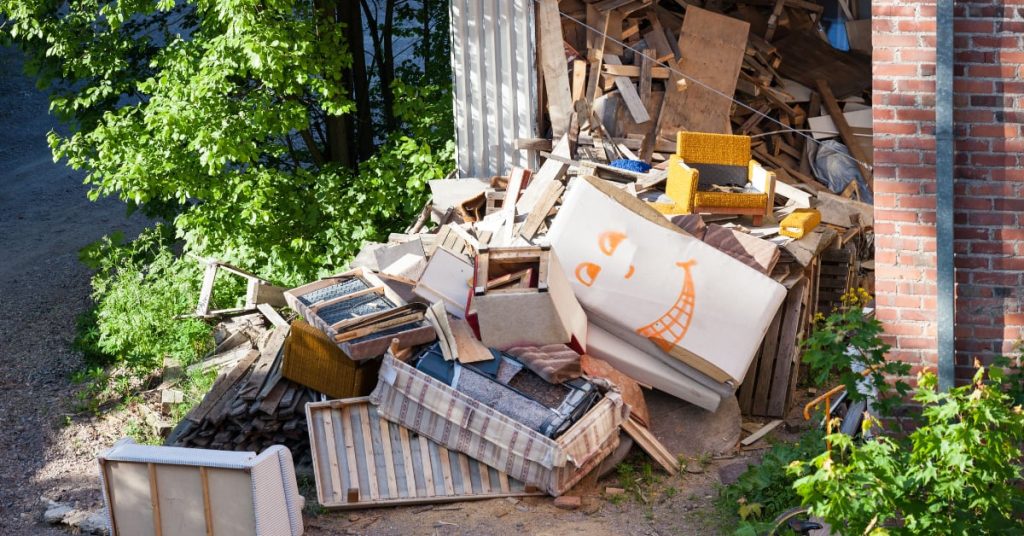
Efficient disposal and recycling are critical to completing a successful demolition cleanup. Not all debris needs to be sent to landfills; many materials have recycling value that can benefit the environment and reduce disposal costs. Metal, concrete, and wood can often be processed and reused in other construction projects. Recycling minimizes landfill use, reduces pollution, and contributes to sustainable building practices. Planning the disposal strategy in advance ensures that the correct containers, trucks, and recycling centers are ready, preventing delays and reducing overall cleanup time.
Coordinating disposal also involves considering local regulations and transport logistics. Certain materials may require permits or must be taken to specific facilities. Proper scheduling of removal vehicles and careful loading of debris reduces the risk of accidents and property damage. Collaborating with experienced disposal and recycling companies streamlines the process, allowing the cleanup team to focus on final touches.
Final Touches and Site Inspection
After debris removal and dust cleaning, the final touches of post-demolition cleanup focus on preparing the site for use or renovation. This includes inspecting floors, walls, and structural elements for any damage or hidden hazards that may have been overlooked during earlier stages. A detailed inspection ensures that all safety issues are addressed and that the property is ready for the next phase of development. Completing minor repairs, leveling surfaces, and checking ventilation or plumbing systems can prevent problems from arising later.
Final inspections also allow for a quality check of the cleanup process itself. Any areas that require additional cleaning, sanding, or removal of residual materials can be addressed before the site is handed over or prepped for construction. Documenting the completed work provides a clear record of the cleanup and demonstrates professionalism, particularly when working with clients or contractors.
Planning for Future Projects
Post-demolition cleanup is not just about restoring a site; it is an opportunity to plan for future improvements. By analyzing the efficiency of the cleanup process, property owners and contractors can identify areas for improvement in workflow, equipment usage, and safety measures. Lessons learned during one project can inform better practices for the next, making future demolition and cleanup tasks faster, safer, and more cost-effective.
Furthermore, planning for future projects includes considering sustainable and eco-friendly practices. Recycling, reuse of materials, and proper hazardous waste handling can be incorporated into long-term strategies for property development. Evaluating the cleanup process from start to finish allows teams to streamline logistics, anticipate challenges, and maintain compliance with evolving regulations. This strategic perspective transforms post-demolition cleanup from a reactive task into a component of continuous improvement.
Conclusion
Effective demolition cleanup requires more than just removing debris; it involves a strategic combination of safety, organization, and environmental responsibility. By carefully assessing the site, protecting personnel, sorting and disposing of materials correctly, and addressing hazardous substances, property owners can transform chaotic remnants into manageable, clean spaces. Each step, from dust removal to final inspection, ensures that the property is ready for subsequent use, whether for renovation, construction, or repurposing. Attention to detail at every stage minimizes risk, promotes sustainability, and reinforces professionalism in every aspect of the cleanup process.
For those in Ventura, CA seeking reliable post-demolition cleanup services, Mobile Dump Junk Removal offers comprehensive solutions that handle debris removal, hazardous material management, and recycling efficiently. Their experienced team provides thorough site inspections and ensures that every cleanup is conducted with safety and environmental responsibility in mind. To schedule services or learn more, call 805 751‑3744 or email mobiledumpremoval@gmail.com for assistance. With Mobile Dump Junk Removal, every demolition project concludes with a clean, safe, and ready-to-use property.