
Home renovations are transformative journeys, turning ordinary spaces into functional and aesthetically appealing environments. Among the many stages of remodeling, drywall removal stands out as a pivotal step, one that can define the scope and success of the project. Although often overlooked, the process of stripping away old walls or partitions affects more than just the physical structure; it impacts timelines, budgets, and the overall flow of renovation work. Undertaking drywall removal requires an understanding of the materials involved, the safety measures necessary, and the potential challenges that can arise during demolition.
The influence of drywall removal on home renovations goes beyond structural alterations. By removing outdated or damaged drywall, homeowners create opportunities for improved insulation, better soundproofing, and even electrical upgrades that were previously inaccessible. The cleared space provides contractors with unimpeded access to plumbing, wiring, and framing, allowing essential upgrades to be incorporated seamlessly into the redesign. Additionally, the act of removing drywall offers a chance to inspect the integrity of the home’s underlying structures, identifying potential weaknesses before they evolve into costly repairs.
Understanding the Drywall Removal Process
Drywall removal is a labor-intensive process that demands attention to detail and careful planning. Every wall contains multiple layers of material, including drywall panels, joint compounds, screws, and sometimes insulation. Removing these layers requires the right tools and techniques to minimize damage to surrounding areas. Beginning with protective measures such as covering floors and sealing off living spaces prevents dust and debris from spreading throughout the home. Utilizing specialized tools such as utility knives, crowbars, and power drills allows for a controlled demolition process that maintains the integrity of the remaining structures.
The complexity of drywall removal extends beyond physical labor. It also involves careful attention to safety and regulatory compliance, particularly in older homes where lead or asbestos may be present. Understanding building codes and adhering to local guidelines ensures that removal is performed legally and responsibly. Proper disposal of drywall and related debris is equally important, as careless disposal can lead to environmental concerns or penalties. Some homeowners attempt DIY removal without fully accounting for the intricacies involved, which often results in prolonged timelines and additional costs.
Impact on Renovation Timelines
Drywall removal has a direct effect on renovation timelines, serving as a critical step that either accelerates or delays subsequent construction activities. When executed efficiently, it clears the way for contractors to proceed with tasks such as framing, electrical installation, and plumbing without interruptions. Delays in this stage can cascade into extended project schedules, increasing labor costs and potentially disrupting other planned renovations. Scheduling drywall removal early in the renovation process ensures that other tradespeople can coordinate their work around a clear and prepared space, ultimately improving project flow.
Moreover, the pace at which drywall is removed can influence the overall rhythm of the project. Slow, cautious removal may prevent mistakes but could also stall progress if not managed efficiently. Conversely, hurried demolition increases the risk of structural damage or the need for repairs, which can offset any perceived time savings. Renovations are dynamic, and every delay or acceleration in one stage has ripple effects throughout the project. By recognizing drywall removal as a pivotal factor in timeline management, homeowners and contractors can strategically plan the sequence of tasks to maintain momentum, reduce stress, and keep the project on track toward timely completion.
Effects on Budget and Costs
Financial considerations are inherently tied to the process of drywall removal. Unexpected complications, such as discovering mold, water damage, or faulty wiring behind walls, can significantly increase renovation expenses. Proper planning and professional assessment prior to demolition help mitigate these risks, allowing homeowners to anticipate potential issues and budget accordingly. Costs are not limited to labor alone; debris disposal, protective measures, and repair of any structural damage contribute to the overall financial picture. When handled thoughtfully, drywall removal becomes a cost-effective investment in the long-term durability and aesthetics of the home.
Beyond direct costs, the indirect financial impacts of drywall removal also play a critical role. Efficient removal can prevent delays that otherwise increase labor charges and prolong project timelines, thereby escalating overall expenses. Conversely, poor handling can necessitate additional repairs, redo work, or even replacement of materials, resulting in unforeseen expenditures. Engaging professionals who combine expertise with proper equipment ensures both speed and accuracy, reducing the likelihood of costly errors. In this sense, drywall removal is more than a preliminary demolition step—it is a strategic financial decision that shapes the economic efficiency of the entire renovation project.
Influence on Structural Integrity
Drywall removal directly affects the structural integrity of a home, particularly when walls are load-bearing or contain essential framing elements. Incorrect removal techniques can compromise the stability of the building, leading to long-term issues that require extensive repairs. Understanding the difference between non-load-bearing partitions and structural walls is crucial before any demolition begins. Proper support and temporary bracing may be necessary to maintain safety during the removal process. In addition to physical support, careful attention to wiring, plumbing, and insulation prevents accidental damage to the home’s essential systems, which could otherwise create hazardous conditions or costly setbacks.
The structural implications extend beyond immediate safety concerns. During removal, contractors have the opportunity to inspect framing, stud conditions, and the overall health of the wall structure. This evaluation allows for timely reinforcement, prevention of future damage, and potential enhancements to energy efficiency and durability. By prioritizing structural integrity alongside removal, homeowners ensure that renovations result in a safe, stable, and long-lasting living environment. Drywall removal is not just about creating space for new design—it is about reinforcing the home’s foundation to accommodate modern improvements without compromising safety or quality.
Effects on Design and Functionality
Removing drywall opens possibilities for reimagining space, influencing both the design and functionality of a home. Walls that once restricted light or movement can be removed or repositioned, creating more open layouts and enhancing spatial flow. The absence of old drywall also allows for the installation of modern materials that improve insulation, soundproofing, and overall energy efficiency. Renovation projects that involve significant design changes rely heavily on this preliminary step to ensure that intended layouts and functionality goals can be realized without obstruction.
The flexibility offered by drywall removal also allows homeowners to customize features such as built-in shelving, entertainment centers, or decorative elements with ease. By starting with a clean, unobstructed canvas, designers and contractors can implement solutions that maximize space efficiency and enhance aesthetic appeal. The removal process can also reveal opportunities for smart home integration or structural modifications that enhance comfort and convenience. In essence, drywall removal is the gateway to creative freedom in renovation, allowing the transformation of a home from its original layout into a modern, functional, and visually engaging space.
Health and Safety Considerations
Health and safety considerations are critical when removing drywall, as dust, debris, and potential mold or asbestos exposure can pose risks to both workers and residents. Protective measures such as respirators, gloves, and proper ventilation are essential to prevent respiratory issues or skin irritation. Older homes may require specialized testing to identify hazardous materials, ensuring that removal is conducted in compliance with health and environmental regulations. Maintaining safety throughout this process is as important as the physical removal itself, as neglect can lead to serious short-term and long-term consequences.
Beyond immediate safety, proper drywall removal also protects the home from secondary damage. Dust containment prevents contamination of furniture, flooring, and HVAC systems, while careful debris management reduces the risk of accidental injury. Attention to safety protocols also allows for smoother workflow, as workers can focus on precision without worrying about avoidable accidents. By prioritizing health and safety, homeowners ensure that the renovation is both successful and responsible, creating a home environment that is not only beautiful but also secure and sustainable for everyday living.
Environmental Impact of Drywall Removal
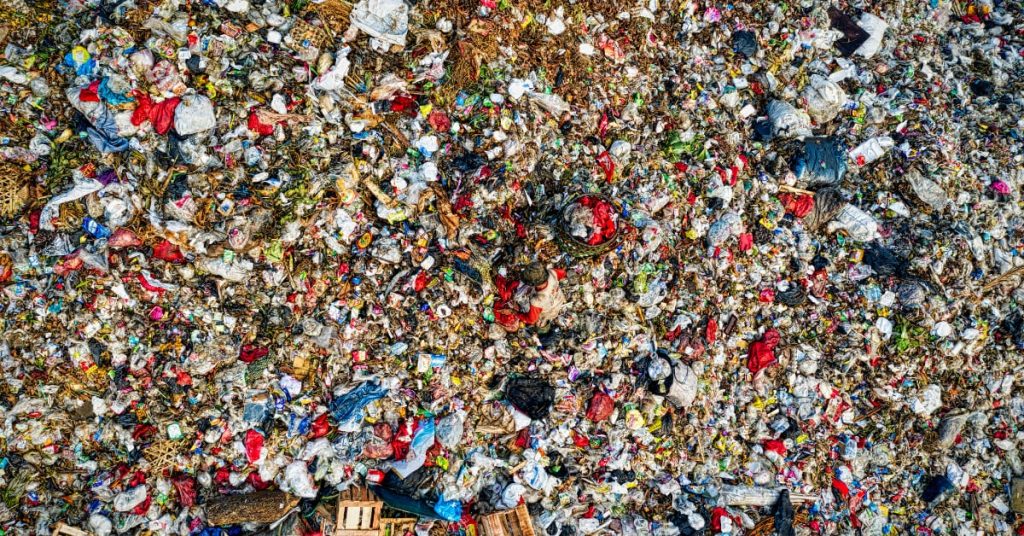
Drywall removal can have environmental implications if not managed responsibly. Improper disposal contributes to landfill waste, while neglecting recycling opportunities ignores the potential for sustainable practices. Some drywall materials can be repurposed or recycled, reducing environmental footprint and promoting eco-friendly renovation practices. Conscious planning in this regard enhances the overall sustainability of the project and demonstrates commitment to environmental stewardship, which has become an increasingly important consideration in modern home improvement initiatives.
Recycling and responsible disposal also have practical benefits. Reducing waste lowers disposal fees, prevents clutter, and can even provide materials for future projects. Partnering with professionals experienced in eco-conscious practices ensures that drywall removal aligns with best practices for sustainability. This approach not only minimizes the impact on the environment but also reflects a forward-thinking mindset, integrating resource efficiency into the renovation process. By addressing environmental concerns proactively, homeowners transform what might seem like a routine demolition step into an opportunity for positive ecological contribution.
Conclusion
Drywall removal is an essential aspect of home renovations that touches nearly every facet of the process, from structural considerations to design flexibility, budget management, and safety precautions. Its significance extends beyond mere demolition, serving as a foundation for modern upgrades, efficient project management, and creative reimagining of space. The proper handling of this step allows homeowners and contractors to anticipate potential challenges, streamline workflow, and achieve a high-quality finish that enhances both the aesthetic appeal and functionality of the home. Recognizing the multifaceted impact of drywall removal empowers informed decision-making and elevates the overall renovation experience.
For homeowners seeking professional assistance with drywall removal, Mobile Dump Junk Removal in Ventura, CA offers expert services that simplify the process while ensuring safety, efficiency, and responsible disposal. Their team provides comprehensive solutions for all types of home renovation projects, allowing homeowners to focus on design and transformation without the stress of demolition logistics. For inquiries or to schedule service, contact Mobile Dump Junk Removal at 805 751‑3744 or email mobiledumpremoval@gmail.com.