
A deck can be a beautiful addition to any home, serving as a space for relaxation, gatherings, and outdoor enjoyment. However, even the sturdiest decks have a limited lifespan. Wood, composite, and other materials are subject to constant exposure to the elements, which can lead to warping, rotting, and structural weakening over time. Homeowners often underestimate how quickly a deck’s condition can deteriorate when subjected to rain, sun, and temperature fluctuations. Small cracks or loose boards may appear insignificant at first, but left unattended, these issues can expand into major safety hazards that compromise the integrity of the structure and even the surrounding property.
Proactive deck maintenance is crucial, yet there comes a point when repairs and replacements are no longer sufficient. Deck removal becomes necessary to prevent further damage to the home, preserve property value, and create opportunities for safer, more durable replacements. By addressing these issues early and considering removal, homeowners can avoid costly repairs in the future and maintain a safer environment for family and friends. Taking the step to remove an aging deck also ensures that any underlying issues, such as foundation damage or drainage problems, are revealed and addressed, promoting long-term structural health.
Signs Your Deck Requires Removal
Identifying when a deck has reached the end of its functional life is critical for homeowners seeking to maintain their property. Persistent rot, sagging, and structural instability are clear indicators that removal is necessary. Even well-maintained decks can fall victim to hidden damage beneath surface finishes, where moisture infiltration accelerates decay. Additionally, fasteners and support posts can weaken over time, causing instability that may not be visible at first glance but poses a significant safety risk.
Another sign that deck removal is warranted involves pest infestation, particularly termites or carpenter ants. These insects can eat away at wood structures, silently compromising the deck’s framework and creating unseen hazards. Decks that have been exposed to moisture for extended periods are particularly susceptible to such infestations, which often spread to other parts of the home. Homeowners who notice persistent mold growth, foul odors, or visible termite damage must act quickly.
The Impact of Deck Removal on Home Safety
Deck removal plays a pivotal role in maintaining a safe living environment. Aging decks often develop hidden weaknesses that can lead to sudden collapses, posing risks to anyone using the outdoor space. The integrity of support posts, joists, and fasteners diminishes over time, particularly in regions with fluctuating weather patterns. Structural weaknesses are not always apparent during casual inspection, making removal a proactive safety measure rather than a reactive one.
Beyond physical hazards, old decks can exacerbate environmental risks surrounding the home. Standing water from poor drainage can seep into foundations, inviting mold, mildew, and even insect infestations that threaten the home’s overall structural integrity. Removing a deteriorating deck allows for proper site evaluation and drainage correction, mitigating long-term issues. Additionally, deck removal creates an opportunity for better-designed replacements that incorporate safer materials, enhanced load-bearing capacity, and improved aesthetics, ultimately contributing to both the safety and value of the property while supporting responsible long-term home maintenance.
Environmental and Property Value Considerations
A deteriorating deck is not just a safety concern; it can also negatively affect the value of a property. Potential buyers are often deterred by visible signs of decay, instability, or poor maintenance. Even minor damage can suggest to prospective buyers that the property has been neglected, leading to lower offers or difficulty selling. Removing an old or unsafe deck before attempting to sell a home not only improves safety but also enhances market appeal, signaling that the homeowner takes proactive measures to maintain and improve the property.
Environmentally, deck removal can have significant benefits as well. Older decks may contain materials that are no longer eco-friendly or have deteriorated to the point where they become hazardous waste. Proper removal ensures these materials are disposed of responsibly, reducing the risk of environmental contamination and promoting sustainable practices. Additionally, removing decayed materials prevents them from further leaching into soil or groundwater, protecting both the local ecosystem and the homeowner’s property.
Professional Deck Removal Benefits
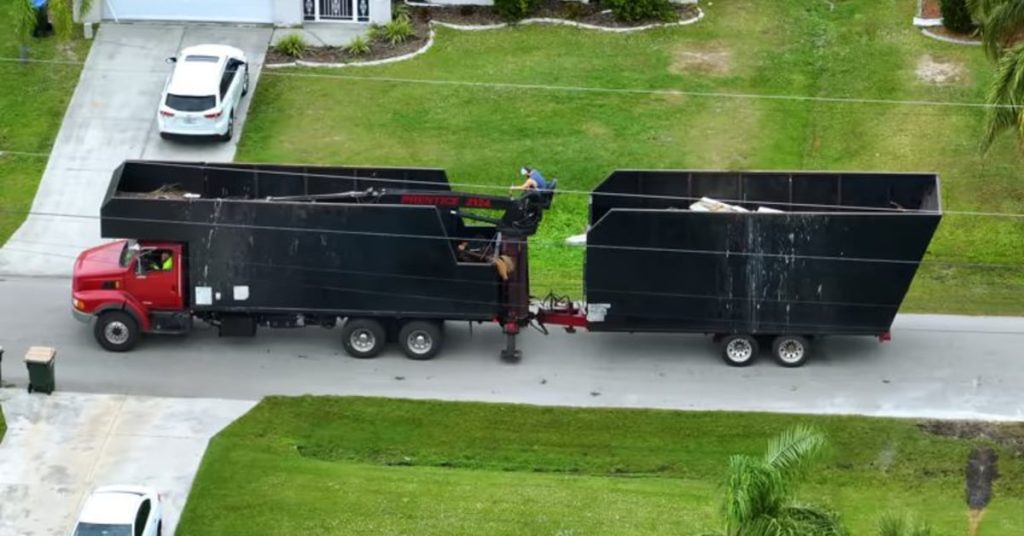
Attempting to remove a deck without professional help can lead to accidents, property damage, or incomplete demolition. Hiring trained professionals ensures the job is performed safely, efficiently, and in compliance with local regulations. Experts possess the right tools, knowledge, and techniques to handle the complexities of deck removal, from disassembling structural supports to safely disposing of hazardous materials. They can identify potential risks such as hidden rot, pest infestations, or compromised foundations, providing homeowners with valuable insights before rebuilding or repurposing the area.
Professional services also offer practical benefits in terms of debris removal and recycling. Many companies prioritize eco-conscious disposal, ensuring that wood, metal, and composite materials are properly sorted and either recycled or safely discarded. This reduces landfill waste and promotes sustainable practices, allowing homeowners to support environmentally responsible initiatives while maintaining their property.
Planning for Deck Replacement or Site Restoration
After deck removal, homeowners face critical decisions regarding replacement or restoration of the outdoor space. Proper planning is essential to maximize functionality, aesthetics, and long-term durability. Whether choosing a modern composite deck, a traditional wood design, or an entirely new outdoor living area, the initial removal process sets the stage for successful construction. Site evaluation allows professionals to address drainage, foundation stability, and landscaping considerations before installing a new structure, preventing future issues and extending the life of the replacement.
Site restoration may also involve soil grading, foundation inspection, and preparation for new installations. Taking the time to restore the area ensures that future decks or outdoor features are structurally sound and environmentally safe. Homeowners can use this opportunity to incorporate sustainable materials, optimized layouts, and enhanced safety features. By carefully planning after removal, the property not only becomes more appealing and functional but also avoids common pitfalls associated with hasty replacements.
Long-Term Cost Savings Through Deck Removal
While deck removal may seem like a costly upfront investment, it can result in significant long-term savings. Continuously repairing an aging or unstable deck can accumulate costs far exceeding the expense of removal and replacement. Temporary fixes often fail to address underlying structural problems, leading to recurring damage and safety hazards. Investing in removal ensures that all hidden issues are uncovered and resolved, eliminating the need for ongoing patchwork and minimizing future financial burdens.
Additionally, a professionally removed deck reduces liability risks, which can have financial implications if accidents occur on unsafe structures. Homeowners can prevent unexpected insurance claims, legal disputes, and potential medical costs associated with deck failures. A clean removal and careful site preparation lay the groundwork for durable, low-maintenance replacements that offer years of safe, enjoyable use. By considering the long-term perspective, homeowners can view deck removal as a strategic, cost-effective decision rather than a simple expense, reinforcing the importance of proactive maintenance for both safety and financial prudence.
Preventing Moisture-Related Damage
Moisture is one of the most insidious threats to any outdoor structure, and decks are no exception. Over time, exposure to rain, snow, and humidity can cause wood to absorb water, leading to warping, cracking, and even rot. Composite materials, while more resistant, are not immune to water damage, particularly if the substructure is compromised. Left unchecked, moisture can seep beneath deck boards and into the home’s foundation, creating mold growth, mildew, and structural decay that compromise both safety and longevity.
Removing an old or damaged deck allows homeowners to assess and correct these underlying moisture issues before they worsen. Professionals can ensure that drainage is properly managed, the ground is graded to prevent water pooling, and any compromised materials are replaced. This proactive approach preserves the integrity of the home and prevents costly repairs later. By eliminating a moisture-prone structure, homeowners can also reduce mold and allergen risks, protecting both property value and family health.
Enhancing Outdoor Aesthetics
A deck often serves as the visual centerpiece of a backyard, influencing the overall aesthetic appeal of the property. An aging or deteriorating deck can become an eyesore, with faded colors, broken boards, and uneven surfaces that detract from the beauty of the home. Even a deck that was once elegant can lose its charm over time, signaling neglect to visitors or potential buyers. Beyond its structural role, the deck contributes to the outdoor ambiance, providing a space for relaxation, entertainment, and family gatherings. When it falls into disrepair, the visual and functional value of the yard diminishes significantly, which can affect both enjoyment and resale potential.
Deck removal offers a fresh start for homeowners seeking to revitalize their outdoor space. Once the old structure is removed, property owners can reimagine the layout, incorporating new materials, lighting, landscaping, and safety features to create a harmonious and attractive outdoor environment. By eliminating worn-out elements, the backyard becomes a blank canvas for modern design that complements the home’s architectural style.
Conclusion
Removing an old or unsafe deck is a crucial step for homeowners dedicated to long-term property care and safety. Beyond addressing structural weaknesses, decay, and potential hazards, deck removal opens the door for improved outdoor design, enhanced safety features, and eco-conscious waste management. Homeowners who act proactively not only protect their families from accidents but also preserve the value and aesthetic appeal of their property, ensuring that future investments in outdoor spaces are sound and sustainable.
Partnering with professional services ensures the process is efficient, safe, and environmentally responsible. If you are in Ventura, CA, and considering deck removal, Mobile Dump Junk Removal provides expert assistance, handling every aspect of the project from safe demolition to proper disposal. For more information or to schedule a service, call 805 751‑3744 or email mobiledumpremoval@gmail.com. Their experienced team will help transform your outdoor space, safeguard your property, and provide peace of mind for years to come.