
Removing a playset from your yard may seem straightforward, yet the task often involves more planning than anticipated. These structures, built for longevity and safety, are usually anchored securely to withstand energetic play and outdoor conditions. Before attempting removal, it is crucial to assess the size, material, and complexity of the playset. Metal, wood, or plastic components may each require a different approach, while some structures are bolted deeply into the ground, demanding careful extraction techniques.
In addition to the physical considerations, planning also involves evaluating how the removed playset materials will be disposed of or recycled. Old wood, metal, and plastics can sometimes be repurposed or recycled, but transporting them requires careful handling. Safety precautions are essential, including protective gloves, sturdy footwear, and eye protection. By understanding the scope of the project before beginning, you create a strategy that minimizes disruption and maximizes efficiency.
Preparing Your Yard for Safe Removal
Before dismantling a playset, it is essential to prepare the surrounding yard. Clear the area of obstacles such as garden furniture, plants, or decorative items that could interfere with the removal process. By designating a safe work zone, you reduce the risk of accidental damage or injury. The surrounding terrain should be assessed for uneven ground, hidden roots, or buried utilities, which could complicate the removal.
Preparation also extends to assembling necessary tools and equipment. Depending on the playset’s size and material, you may need hand tools, power drills, wrenches, or lifting straps. Having these ready in advance prevents unnecessary delays and ensures that the dismantling process flows without interruption. A well-prepared yard also allows for easier cleanup afterward, as you can strategically position debris containers or areas for sorting recyclable materials.
Strategic Dismantling Techniques
Efficiency in playset removal often hinges on the techniques employed during dismantling. Rather than attempting to remove the structure as a whole, breaking it down into smaller, manageable pieces simplifies the task. Start by detaching accessories such as swings, slides, or climbing ropes, as these components are typically easier to remove and help reduce overall weight. Then focus on larger sections like platforms, ladders, or support beams. Using a methodical approach ensures stability throughout the process and minimizes the risk of sudden collapses or accidents.
Understanding how the components fit together is also critical for efficient dismantling. Some playsets use screws, bolts, or specialized fasteners that require specific tools or sequences for removal. Keeping a mental or written note of the assembly order can prevent confusion during reassembly for storage or disposal. Additionally, removing one section at a time allows workers to maintain balance and control, especially when dealing with taller structures.
Managing Heavy Lifting Safely
Playsets can be surprisingly heavy, especially when made from solid wood or reinforced metal. Lifting large beams or platforms without proper techniques can lead to back injuries or accidents. To handle heavy components safely, always employ teamwork, using coordinated lifts and clear communication between participants. Positioning lifting straps or dollies beneath larger sections can provide leverage and reduce direct strain on the body. When lifting, bending the knees rather than the back and keeping the load close to the body ensures better stability and safety.
Even with smaller components, care must be taken to avoid sudden drops or slips. Wearing sturdy footwear and gloves provides protection against sharp edges or splintered wood. Planning lifting routes in advance ensures that there are no obstacles in the path and that materials can be transported efficiently. By managing heavy lifting safely, the overall removal process becomes faster and less risky.
Handling Anchors and Grounded Structures
Many playsets are secured deeply into the ground, using stakes, concrete footings, or embedded posts. Removing these anchored components requires patience and specific methods to avoid damaging the surrounding soil or yard. For structures with concrete footings, breaking the concrete into smaller pieces for easier removal may be necessary. Post pullers or specialized digging tools can assist in loosening grounded supports. Understanding the anchoring system before beginning is essential to determine the best approach and prevent accidental tipping or structural collapse.
In addition to structural concerns, handling anchors involves planning for safe disposal of heavy materials. Concrete, metal stakes, or cement blocks may need to be transported to a recycling center or handled as construction debris. Careful attention to leverage, angle, and timing when removing grounded supports minimizes soil disruption and preserves the surrounding landscape. By approaching anchored structures with care and strategy, playset removal can be executed efficiently while maintaining safety and protecting the yard for future use.
Sorting and Disposal of Materials
Once the playset is dismantled, sorting materials for disposal or recycling is a key step in an efficient removal process. Separating wood, metal, and plastic components allows for more organized handling and ensures that recyclable items do not end up in landfills unnecessarily. Reusable parts can be set aside for donation, resale, or repurposing, reducing waste and promoting sustainability. Proper sorting not only benefits the environment but also simplifies transport and final cleanup.
During this process, safety remains paramount. Sharp edges, rusted bolts, or splintered wood can pose hazards, making protective gloves and clothing necessary. Strategically placing debris into containers or dumpsters improves workflow and prevents clutter from slowing progress. Organized disposal also speeds up the final stages of removal, allowing for a clean and ready-to-use yard. By managing materials carefully, the removal process concludes efficiently, leaving minimal residual mess and maximizing environmental responsibility.
Optimizing Time and Resources
Time efficiency is another critical aspect of successful playset removal. By planning the sequence of dismantling, coordinating workers, and pre-positioning tools and disposal containers, the project can be completed more quickly. Unexpected delays often occur when preparation is overlooked, so allocating adequate time for each phase ensures smooth progress. Tracking progress as each section is removed helps maintain focus and allows for adjustments if unforeseen obstacles arise.
Resource management also involves using labor and equipment effectively. Assigning specific roles, such as dismantling, lifting, or sorting, reduces redundancy and keeps the workflow continuous. Additionally, preparing contingency plans for challenges, such as stubborn fasteners or weather interruptions, ensures that the project remains on schedule. Optimizing time and resources reduces fatigue, maintains safety standards, and ultimately delivers a more efficient and successful playset removal experience.
Environmental Considerations and Recycling
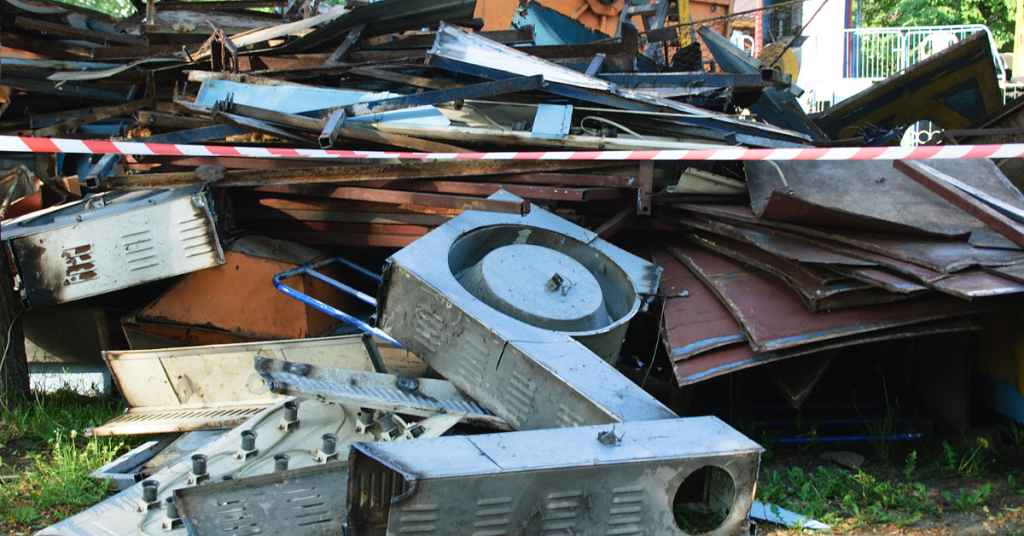
Environmental responsibility is an important factor in modern yard projects. Playsets are made from materials that, if discarded improperly, can contribute to waste and pollution. Choosing to recycle or repurpose components whenever possible reduces the environmental impact of removal. Wood can be reclaimed for garden projects, metal may be sold to scrap yards, and certain plastics can be processed for reuse. Thoughtful disposal not only benefits the environment but also demonstrates responsible stewardship of the yard space.
Beyond recycling, environmental considerations include minimizing soil disruption and protecting nearby vegetation. Covering delicate areas with tarps or using protective barriers ensures that surrounding plants remain undamaged. Additionally, disposing of debris in a controlled manner prevents harmful materials from contaminating soil or water sources. By incorporating environmental awareness into the removal process, homeowners achieve a cleaner, safer, and more sustainable outcome. This approach adds long-term value to the yard and aligns with responsible property management practices.
Final Cleanup and Yard Restoration
Once the playset has been removed and materials sorted, final cleanup is essential to restore the yard’s appearance. Clearing small debris, leveling disturbed soil, and replanting grass or vegetation ensures that the space is safe and visually appealing. This step transforms a previously occupied area into a usable, open yard ready for new landscaping, play equipment, or outdoor activities. Attention to detail during cleanup prevents hazards such as exposed nails, splinters, or sharp metal fragments.
Yard restoration also involves considering drainage and soil health. Filling in holes, compacting soil, and addressing any uneven ground reduces potential water pooling and prevents future maintenance issues. A thorough cleanup ensures the yard is ready for its next purpose while preserving the environment and maintaining safety. Completing this final step brings closure to the removal project and highlights the efficiency and care taken throughout the process.
Hiring Professional Help When Needed
While many homeowners can tackle small or simple playsets, complex structures or those anchored in concrete often benefit from professional assistance. Experts bring experience, tools, and manpower that significantly reduce the risk of injury and damage. Hiring a professional ensures that the dismantling process is handled systematically, with attention to safety, efficiency, and proper disposal. Professionals can also manage heavy lifting, soil disruption, and recycling in ways that minimize environmental impact and save time.
Professional services are particularly valuable when speed, safety, and convenience are priorities. They provide a structured approach to every stage, from preparation to cleanup, ensuring that the project is completed efficiently. Additionally, professional removal reduces stress for homeowners and eliminates the guesswork associated with complex structures. Investing in expert help guarantees that playset removal is executed safely, responsibly, and with minimal disruption to the yard.
Conclusion
Efficient playset removal is a task that combines careful planning, strategic dismantling, safe lifting practices, and responsible disposal. Each step, from preparation to final cleanup, contributes to a smooth, safe, and environmentally conscious process. By understanding the materials, anchoring systems, and potential hazards, homeowners can approach removal with confidence and minimize risks while maximizing efficiency. Properly sorting materials and considering recycling options further enhances sustainability and reduces environmental impact.
For those seeking professional support, Mobile Dump Junk Removal in Ventura, CA provides comprehensive playset removal services. With expertise in dismantling, hauling, and responsible disposal, they ensure that each project is completed safely and efficiently. Homeowners can contact them at 805 751‑3744 or via email at mobiledumpremoval@gmail.com to schedule assistance. Their team combines experience, reliability, and eco-conscious practices, making yard transformation and playset removal a hassle-free process.