
The conversation about waste reduction often begins with recycling bins and compost piles, yet an unsung hero quietly reshapes the environmental landscape—scrap metal removal. Every rusted appliance, mangled bicycle, or retired car carries potential far beyond its discarded form. What most see as junk is, in truth, a valuable resource waiting for reclamation. Scrap metal removal transforms this overlooked debris into raw material for new production, saving energy, conserving resources, and minimizing landfill overload. It’s a cycle where waste transforms into opportunity, where environmental responsibility meets practical necessity.
When metals are recovered instead of buried, the earth breathes a little easier. The process prevents toxic leaching, reduces mining demands, and curtails industrial pollution. Each ton of recycled metal means fewer natural resources are extracted, fewer emissions released, and fewer materials left to rot in dumps. The beauty of scrap metal removal lies not just in the cleanup—it’s in the quiet revolution of transforming what’s wasted into what’s useful once again.
Reclaiming Resources from Waste
Metals never truly lose their essence. They can be melted, reshaped, and repurposed indefinitely without losing strength or quality. Scrap metal removal captures this resilience, pulling useful material from what’s presumed worthless. By intercepting these metals before they reach landfills, professionals help close the loop in material life cycles. This approach aligns perfectly with sustainable manufacturing models that rely on recycled feedstock instead of newly mined ore. The more metal that’s reclaimed, the less pressure placed on fragile ecosystems disrupted by mining operations.
Beyond ecological preservation, reclaiming scrap metal also reinforces economic sustainability. Industries benefit from cheaper raw materials, consumers enjoy lower production costs, and entire communities gain from job creation within recycling networks. It’s a delicate yet powerful balance—recovering from the waste stream what can fuel future growth. This process doesn’t just reduce waste; it breathes life into the concept of circular economy, where nothing goes to waste and everything finds renewed purpose.
The Economic and Social Impact of Scrap Metal Reclamation
On a global industrial scale, scrap metal reclamation stands as a quiet force driving modern economies toward sustainability. What once was considered industrial debris now powers factories, construction sites, and manufacturing lines across continents. By using recycled metals instead of freshly mined ore, companies dramatically cut down on production expenses while conserving massive amounts of energy. This economic efficiency doesn’t just stay confined within factories—it travels through supply chains, stabilizing material prices and creating more affordable products for consumers.
The influence of this transformation ripples far beyond the walls of industrial facilities. Entire sectors, including construction, automotive, and electronics, rely heavily on recycled metals to maintain production stability amid fluctuating raw material markets. For many companies, integrating scrap metals has become more than a choice—it’s a strategic advantage. It ensures steady access to quality materials while aligning with global sustainability goals. This interdependence between economic expansion and environmental protection is rewriting the blueprint of industrial success.
Reducing the Burden on Landfills
Modern landfills already groan under the weight of society’s consumption. Every year, millions of tons of waste find their way into pits designed for decay, not durability. Metals, however, do not degrade easily—they sit, stagnate, and corrode over decades. Scrap metal removal prevents this slow suffocation of landfills by diverting bulky, non-biodegradable materials toward recycling facilities. Each pickup, each separated sheet of steel or aluminum, extends the life of waste management systems that are already under strain.
When less metal ends up buried, the ripple effect extends to surrounding communities. Reduced landfill volume means fewer greenhouse gases, less contaminated runoff, and improved soil and air quality. By extracting scrap before it becomes permanent waste, the process alleviates environmental pressures that often go unnoticed. This quiet intervention keeps cities cleaner, reduces landfill maintenance costs, and ensures that natural landscapes aren’t consumed by humanity’s castoffs.
Conserving Energy and Natural Resources
Mining and refining virgin metals demand immense energy. From blasting rock formations to refining ore at extreme temperatures, the process devours electricity and fossil fuels. Scrap metal removal short-circuits that energy drain. Recycling aluminum, for instance, consumes up to 95 percent less energy than producing it from raw bauxite. Steel and copper show similar efficiencies. Each reclaimed pound of metal saves countless kilowatt-hours, reducing both carbon emissions and the overall strain on global energy systems.
The resource conservation aspect is equally vital. Metals like copper, nickel, and zinc are finite, and their extraction scars the earth. By reintroducing recovered metals into manufacturing cycles, we slow the depletion of these essential elements. Scrap metal removal isn’t just an act of tidying up—it’s a practical step toward ensuring future generations inherit a planet rich in both resources and opportunity.
Promoting Cleaner Communities
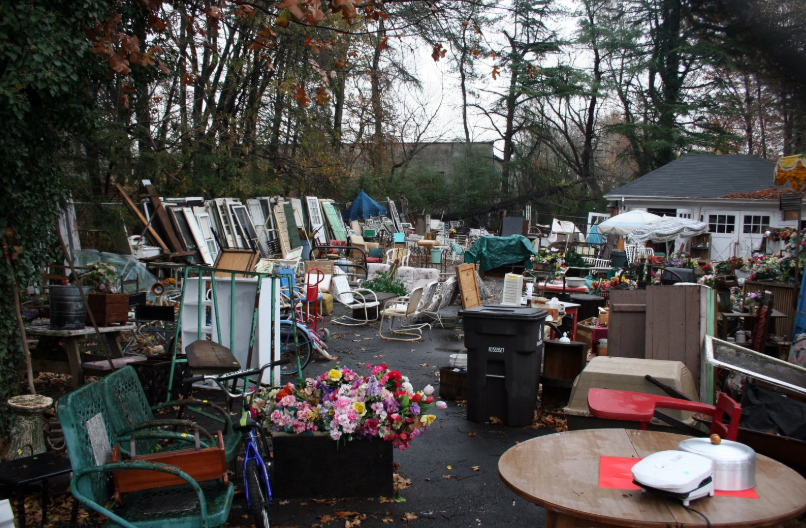
Every abandoned washing machine or rusted car frame quietly pollutes the space it occupies. Rainwater carries residues of oil, paint, and corrosion into the soil. Children play near discarded appliances without realizing the potential hazards. Scrap metal removal addresses this silently growing problem. By clearing properties, vacant lots, and industrial yards of metallic waste, communities regain safety, aesthetics, and cleanliness.
Clean environments inspire responsible habits. When neighborhoods appear cared for, people tend to respect them more. Businesses thrive in orderly surroundings, property values rise, and public morale improves. What begins as a simple act of metal collection evolves into a movement of civic pride. Scrap metal removal transforms overlooked corners into symbols of renewal and responsibility, reinforcing that environmental awareness begins right where people live and work.
Driving Sustainable Manufacturing
Recycling scrap metals is not only about cleaning up but also about feeding industry’s hunger for raw materials in smarter ways. Manufacturers who rely on recycled metals help shrink their environmental footprints and boost production efficiency. This synergy between scrap recovery and production sustainability creates a self-reinforcing loop that supports both economy and ecology.
From automobiles to electronics, recycled metals serve as vital inputs for new creations. This interdependence promotes innovation in material sciences and manufacturing practices. Factories that once depended solely on mining can now operate with reduced waste streams, greener technologies, and more responsible sourcing. Scrap metal removal, therefore, bridges the gap between industrial progress and environmental stewardship, proving that advancement need not come at the planet’s expense.
Economic Impact and Job Creation
Behind every ton of recycled metal is a chain of skilled hands. Collection crews, drivers, sorters, smelters, and manufacturers all form the human backbone of this transformative industry. Scrap metal removal doesn’t just reduce waste—it powers local economies. Recycling facilities employ thousands nationwide, supporting families and revitalizing communities often hit hardest by industrial decline.
Moreover, the trade of scrap metals contributes billions to the economy each year. It supports export markets, fuels technological innovation, and stimulates investment in sustainable infrastructure. Every discarded refrigerator or metal beam collected represents not only an environmental victory but also an economic contribution. Waste reduction through scrap metal recovery, in essence, intertwines profit with purpose, showing that doing what’s right for the planet can also mean doing what’s smart for people.
Encouraging Environmental Awareness
When individuals witness the tangible results of scrap metal removal—the cleared lots, the cleaner streets, the new products made from old materials—it sparks something deeper than simple appreciation. It cultivates awareness. People begin to see waste not as an inevitable byproduct of modern life but as a challenge that can be solved creatively and collectively.
This growing consciousness influences everything from consumer choices to policy decisions. As awareness spreads, so does responsibility. Businesses embrace greener operations, households practice more deliberate disposal habits, and local governments promote recycling programs with renewed vigor. What began as a single collection effort can ripple outward, transforming a city’s culture toward sustainability. Scrap metal removal becomes more than a service—it becomes a catalyst for change.
Preventing Environmental Contamination
When metal waste rusts or breaks down in uncontrolled conditions, it releases toxins into soil and waterways. Lead, mercury, and other heavy metals seep into ecosystems, threatening wildlife and human health alike. Scrap metal removal intervenes before this damage becomes irreversible. By safely collecting, sorting, and processing discarded metals, the potential for contamination diminishes dramatically.
Through proper handling, scrap removal specialists ensure hazardous components are isolated and treated according to environmental standards. This not only safeguards natural habitats but also protects communities that depend on clean air and water. The work is more than logistical—it’s deeply ecological. It demonstrates that humanity’s ability to create waste comes with an equal capacity to prevent it from causing harm.
The Future of Responsible Disposal
As sustainability continues to dominate global discourse, scrap metal removal stands as a cornerstone of future waste management. Advancements in recycling technologies and smarter collection systems make the process more efficient than ever. Artificial intelligence, sensor sorting, and modular recycling plants have revolutionized the industry, allowing for higher recovery rates and lower operational costs.
Looking ahead, the role of scrap metal recovery will only grow. With urban expansion and industrial modernization, the demand for ethical disposal methods becomes unavoidable. The future envisions not a world free of waste but one that understands waste as a resource in disguise. Scrap metal removal is proof that such a vision is not idealistic—it’s achievable, practical, and already in motion.
Conclusion
In the grand conversation about waste reduction, scrap metal removal commands a vital place. It intertwines environmental preservation with economic empowerment, transforming debris into renewal and responsibility. Every collection, every salvaged piece of metal, represents a small victory in a much larger struggle for balance between progress and preservation. For those seeking sustainable cleanup solutions, Mobile Dump Junk Removal remains a trusted partner in driving positive change.
Proudly serving Ventura, CA, they continue redefining responsible waste management through efficient, eco-conscious services. To schedule reliable scrap metal removal or learn more about their environmental efforts, reach them at (805) 751-3744 or via mobiledumpremoval@gmail.com—because every piece of recovered metal brings us one step closer to a cleaner, wiser world.